what is Dactylosyndactyly
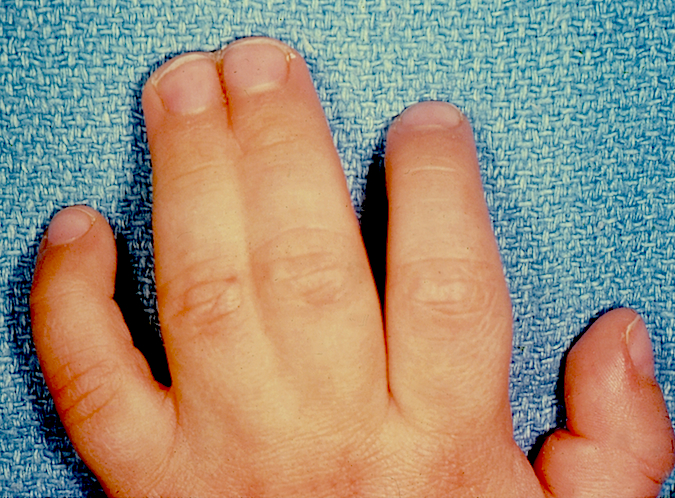
Dactylosyndactyly is a rare congenital condition where two or more fingers or toes are both abnormally joined and enlarged. It combines two features: dactylomegaly (abnormal enlargement of digits) and syndactyly (fusion of digits). This condition may affect hand or foot function and is often noticeable at birth. It may occur as an isolated condition or as part of a genetic syndrome.
Dactylosyndactyly varies in severity, from simple soft tissue involvement to complex cases with bone fusion and significant enlargement. Early diagnosis and management are important for maintaining function and supporting development.
What Causes Dactylosyndactyly?
Dactylosyndactyly most commonly arises from abnormalities during early fetal development. As the hands and feet form in the womb, fingers and toes are initially webbed and then normally separate. When this separation process is incomplete and is combined with tissue or bone overgrowth, dactylosyndactyly can occur.
Causes may include:
1. Genetic or Congenital Conditions
- Apert syndrome: A genetic disorder causing fused fingers and toes, often with enlarged bones.
- Carpenter syndrome: A rare inherited disorder with craniofacial abnormalities and digit abnormalities.
- Polydactyly variants: Sometimes fused and enlarged digits occur along with extra digits.
- Isolated mutation: In rare cases, dactylosyndactyly can occur without any known syndrome.
2. Sporadic Developmental Anomalies
Even without a family history or genetic syndrome, random developmental errors can result in this condition.
Types of Dactylosyndactyly
Dactylosyndactyly is typically classified by the extent of fusion and enlargement:
- Simple dactylosyndactyly: Fusion of skin only with digit enlargement
- Complex dactylosyndactyly: Fusion of skin and bones with overgrowth
- Complete: The entire digits are fused
- Incomplete: Only a portion of the digits are joined

Symptoms of Dactylosyndactyly
- Two or more fingers or toes that appear joined together
- Enlargement of the fused digits, making them look bulky or disproportionate
- Difficulty with fine motor tasks (in hands) or walking (in feet)
- Reduced flexibility and function in the affected area
- Abnormal nail shapes across fused digits
- Possible emotional or cosmetic concerns, especially in school-aged children
How is Dactylosyndactyly Diagnosed?
Diagnosis is typically made at birth based on visible features. In some cases, it can be suspected on prenatal ultrasounds.
Additional diagnostic tools include:
- X-rays: To assess bone structure and determine if bones are fused
- MRI or CT scan: To evaluate deeper tissues like tendons and joints
- Genetic testing: Recommended if a syndrome is suspected or there are other developmental concerns
- Family history assessment: May provide clues to inherited patterns
Treatment Options for Dactylosyndactyly
The goal of treatment is to improve function and appearance while minimizing long-term complications.
1. Surgical Correction
Surgery is usually performed during early childhood (often between 1–2 years old) to separate the fused digits and manage overgrowth.
- Digit separation: Skin, muscle, or bone is surgically divided.
- Bone reshaping or shortening: If the digits are enlarged, surgeons may remove excess tissue or bone.
- Skin grafts: Often required to cover areas after separation.
- Staged surgeries: Sometimes done in phases for complex or multiple digit involvement.
2. Occupational or Physical Therapy
Post-surgery therapy helps restore movement, improve hand/foot function, and support normal development.
3. Monitoring and Follow-Up
Children with dactylosyndactyly may need long-term follow-up to monitor hand or foot growth and ensure functional improvement.
4. Emotional and Social Support
Supportive counseling or peer groups may be helpful for children dealing with appearance-related concerns or bullying.
Prognosis
With timely and proper treatment, most children with dactylosyndactyly can achieve good functional and cosmetic outcomes. Simple cases respond well to surgery, while more complex forms may require multiple interventions. Early therapy also plays an important role in helping children adapt and thrive.
When to See a Doctor
You should consult a healthcare provider if:
- A child is born with fused and enlarged digits
- There is difficulty in grasping objects or walking
- A family history of similar conditions exists
- There are other physical abnormalities suggesting a syndrome