What is Reflex Sympathetic Dystrophy?
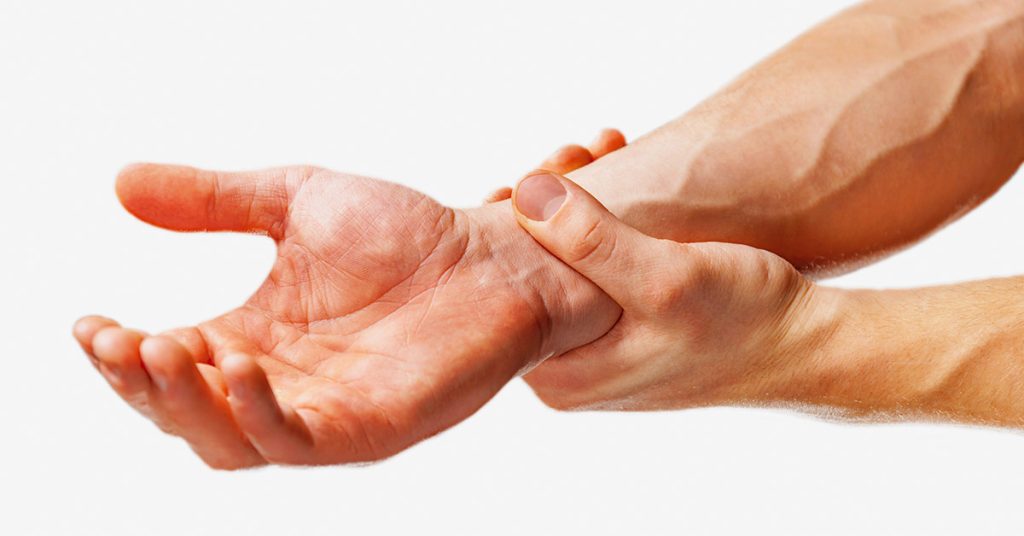
Reflex Sympathetic Dystrophy (RSD), also known as Complex Regional Pain Syndrome Type I (CRPS I), is a chronic pain condition that usually affects an arm or leg after an injury, surgery, stroke, or heart attack. It is believed to be caused by dysfunction in the nervous system, leading to prolonged or excessive pain and changes in skin color, temperature, and texture. RSD can significantly impact daily function and quality of life if not treated early.
What Causes Reflex Sympathetic Dystrophy?
The exact cause of RSD is not fully understood, but it often develops after a triggering event. Potential causes include:
- Fractures or sprains
- Soft tissue injuries
- Surgical procedures
- Nerve trauma or pressure injuries
- Immobilization with a cast or brace
- Stroke or heart attack (without direct limb injury)
In RSD, the body’s pain response becomes abnormal, possibly involving overactivity of the sympathetic nervous system.
What Are the Symptoms of Reflex Sympathetic Dystrophy?
Symptoms can vary widely in severity and location but usually affect one limb and include:
- Continuous, burning or throbbing pain
- Sensitivity to touch or temperature (even light contact can be painful)
- Swelling in the affected limb
- Changes in skin temperature—either too hot or too cold
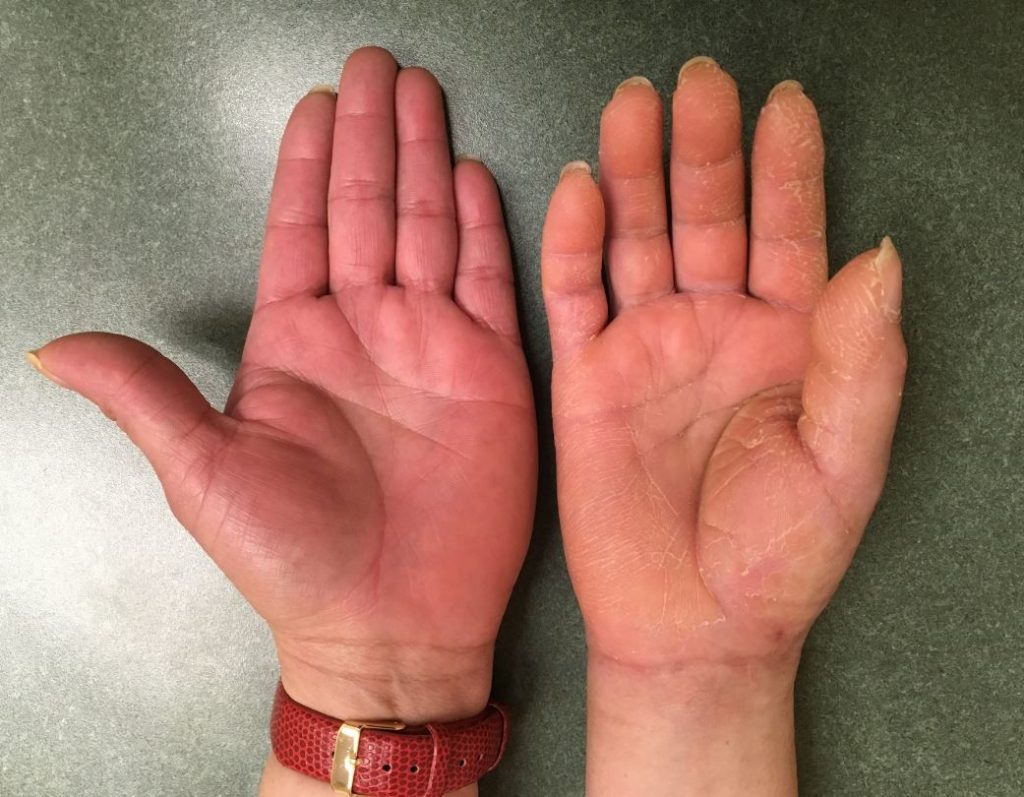
- Skin color changes—pale, red, blue, or blotchy appearance
- Shiny, thin, or sweaty skin
- Limited range of motion or joint stiffness
- Muscle weakness, tremors, or spasms
- Hair or nail growth changes in the affected area
Symptoms often worsen over time if not managed early.
How Is Reflex Sympathetic Dystrophy Diagnosed?
There is no single test to confirm RSD. Diagnosis is usually based on clinical evaluation and ruling out other conditions:
- Detailed medical history and symptom review
- Physical examination focusing on pain, swelling, and skin changes
- Bone scans to detect early changes in bone metabolism
- Thermography to measure temperature differences in the limbs
- MRI or X-rays to assess soft tissue or bone changes
- Nerve conduction studies to evaluate nerve function
- Diagnostic nerve blocks to test response to sympathetic nerve blockade
Early diagnosis is crucial to prevent progression.
What Are the Treatment Options for Reflex Sympathetic Dystrophy?
Treatment aims to reduce pain, improve function, and prevent disability. Options may include:
- Medications:
- Pain relievers (NSAIDs, anticonvulsants, antidepressants)
- Corticosteroids to reduce inflammation
- Bisphosphonates or calcitonin for bone pain
- Physical and occupational therapy to maintain movement and strength
- Sympathetic nerve blocks to interrupt pain signals
- Transcutaneous Electrical Nerve Stimulation (TENS) for pain relief
- Spinal cord stimulation for severe, unresponsive pain
- Psychological support: Counseling or cognitive behavioral therapy (CBT) to manage chronic pain and emotional stress
- Desensitization techniques to help the body tolerate normal touch and temperature again
Can Reflex Sympathetic Dystrophy Cause Complications?
If not treated promptly, RSD can lead to:
- Chronic, disabling pain
- Muscle wasting or contractures
- Loss of function in the affected limb
- Emotional distress, anxiety, or depression
- Decreased quality of life