


What Is Pityriasis Lichenoides?
Pityriasis Lichenoides is a rare inflammatory skin condition presenting in two main forms:
- Pityriasis Lichenoides et Varioliformis Acuta (PLEVA): An acute form characterized by sudden onset of skin lesions.
- Pityriasis Lichenoides Chronica (PLC): A chronic form with a more gradual development of lesions.
The exact cause remains unknown, but it’s believed to involve an abnormal immune response to infections or other triggers. Rare Diseases Information Center
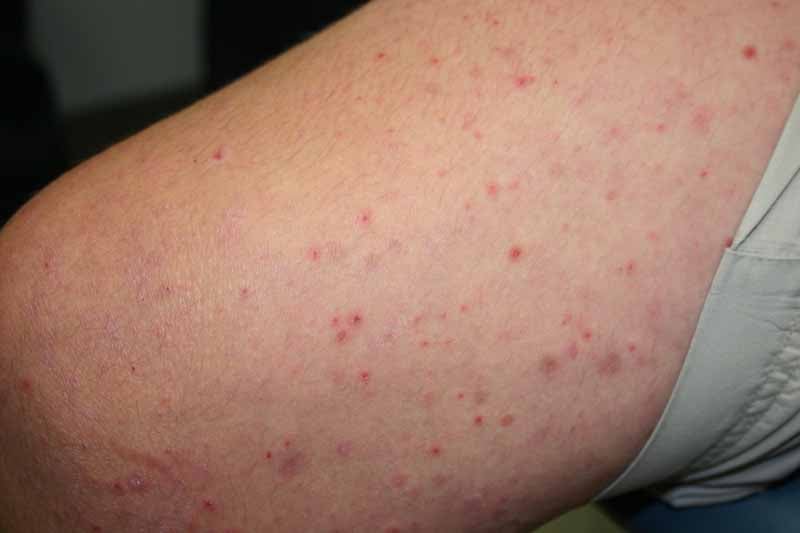
What Are the Types of Pityriasis Lichenoides?
- PLEVA:
- Onset: Sudden
- Lesions: Small red-brown papules that may develop into vesicles, pustules, or necrotic ulcers
- Symptoms: Itching, burning sensation, possible scarring or pigmentation changes upon healing
- Distribution: Primarily affects the trunk and proximal extremities
- Systemic involvement: In severe cases, febrile ulceronecrotic Mucha-Habermann disease (FUMHD) can occur, presenting with fever, malaise, and mucosal involvement
- PLC:
- Onset: GradualPubMed
- Lesions: Small, reddish-brown papules with a fine, mica-like scale
- Distribution: Commonly affects the trunk, upper limbs, and buttocks
- Course: Lesions may persist for months or years, often with periods of remission and exacerbation
What Causes Pityriasis Lichenoides?
The exact cause is unknown, but several theories suggest potential triggers:
- Infectious agents: Hypersensitivity reactions to viral infections such as Epstein-Barr virus, cytomegalovirus, HIV, and parvovirus B19 have been implicated.
- Medications: Certain drugs, including antibiotics, vaccines, and radiocontrast agents, have been associated with the onset of the condition.
- Immune response: An abnormal T-cell mediated immune response to an unidentified antigen is considered a contributing factor.
- Lymphoproliferative disorder: Some studies suggest a link between pityriasis lichenoides and low-grade lymphoproliferative disorders.
What Are the Symptoms of Pityriasis Lichenoides?
- PLEVA:
- Sudden eruption of small, red-brown papules
- Lesions may develop into vesicles, pustules, or necrotic ulcers
- Itching or burning sensationBest Practice
- Possible scarring or pigmentation changes upon healing
- In severe cases, systemic symptoms like fever and malaise
- PLC:
- Gradual development of small, reddish-brown papules with fine scaling
- Lesions may persist for months or years
- Often asymptomatic but can be itchy
- Lesions may leave behind pigmentation changes upon resolution
How Is Pityriasis Lichenoides Diagnosed?
- Physical examination: Assessment of the appearance and distribution of skin lesions.
- Skin biopsy: Confirms diagnosis and differentiates between PLEVA and PLC by examining tissue samples under a microscope.
- Laboratory tests: Blood tests may be conducted to rule out infections or other underlying conditions.
What Treatments Are Available for Pityriasis Lichenoides?
- Antibiotics: Prolonged courses of erythromycin or doxycycline are commonly used for their anti-inflammatory properties.
- Phototherapy: Narrowband UVB therapy is often effective, particularly for PLC.
- Topical treatments: Corticosteroids may alleviate itching, though they have limited efficacy on lesions.
- Immunosuppressive agents: Medications like methotrexate may be considered for severe or refractory cases.

What Is the Prognosis for Pityriasis Lichenoides?
- PLEVA: Often resolves within weeks but can recur or progress to PLC.
- PLC: May persist for extended periods with fluctuating activity.
- FUMHD: A rare, severe variant with potential systemic complications and a reported mortality rate of up to 25%.
When Should One Seek Medical Attention for Pityriasis Lichenoides?
Consult a dermatologist if you experience:
- Persistent or rapidly spreading skin lesions.
- Symptoms such as fever, malaise, or mucosal involvement.
- Lesions that are painful, ulcerated, or not responding to initial treatments.
