


What is Diabetic Polyneuropathy?
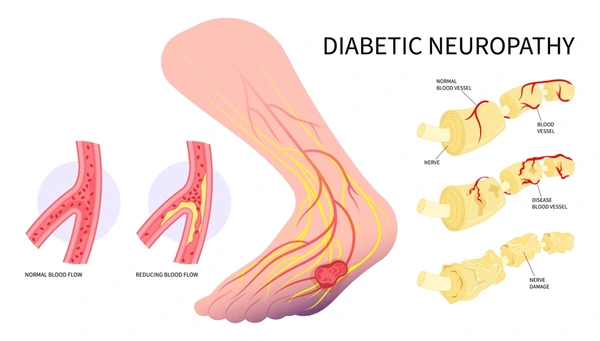
Diabetic Polyneuropathy (DPN) is a form of nerve damage caused by diabetes that affects multiple peripheral nerves throughout the body. It is the most common type of diabetic neuropathy, and it can affect various parts of the body, including the hands, feet, and legs. The condition typically worsens over time and may lead to significant discomfort and disability.
What causes Diabetic Polyneuropathy?
The primary cause of Diabetic Polyneuropathy is prolonged high blood sugar levels. Over time, uncontrolled blood sugar can damage nerves and blood vessels, affecting the nerves’ ability to function properly. Several factors contribute to the development of DPN, including:
- Chronic high blood sugar levels – Persistent elevated blood glucose levels lead to nerve damage.
- Duration of diabetes – The longer a person has diabetes, the higher their risk of developing DPN.
- Poorly controlled blood pressure and cholesterol – These factors can accelerate the damage to nerves.
- Obesity and a sedentary lifestyle – These can increase the risk of nerve damage in people with diabetes.
- Genetics – Family history and genetic factors may also play a role in the development of diabetic neuropathy.
What are the symptoms of Diabetic Polyneuropathy?
Symptoms of Diabetic Polyneuropathy can vary based on the severity and progression of the condition. Common signs include:
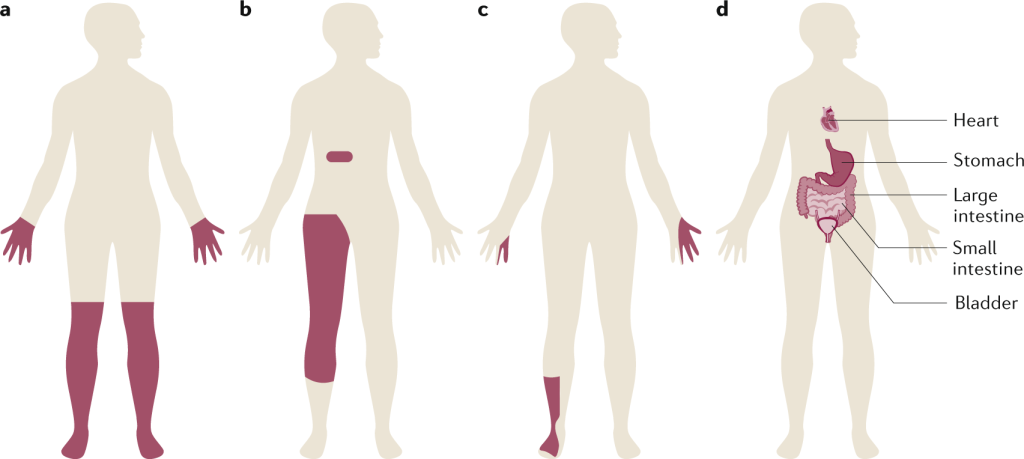
- Numbness or tingling – Often starts in the feet and hands and can spread to other parts of the body.
- Sharp, burning, or shooting pain – Nerve pain may occur in the affected areas, particularly in the legs and feet.
- Loss of coordination and balance – Nerve damage can affect coordination, increasing the risk of falls.
- Muscle weakness – Weakness, particularly in the legs, may lead to difficulty walking or standing.
- Sensitivity to touch – Some people may experience heightened sensitivity to touch, even from light pressure.
- Bladder problems – In severe cases, polyneuropathy can affect the autonomic nerves that control bladder function, leading to incontinence or retention issues.
- Digestive issues – Nerve damage can also affect the digestive system, causing nausea, constipation, or diarrhea.
How is Diabetic Polyneuropathy diagnosed?
To diagnose Diabetic Polyneuropathy, doctors typically begin with a thorough physical exam and a review of your medical history, including your blood sugar control. The following tests may be conducted:
- Physical and neurological exam – This includes testing reflexes, strength, and sensation in the extremities.
- Monofilament test – A test where a thin filament is used to check for areas of reduced sensation in the feet.
- Nerve conduction studies – These tests assess how well electrical signals are conducted through the nerves.
- Electromyography (EMG) – This test measures electrical activity in muscles to determine the extent of nerve damage.
How is Diabetic Polyneuropathy treated?
While there is no cure for Diabetic Polyneuropathy, treatment focuses on managing symptoms, slowing progression, and preventing further nerve damage. Treatment options include:
- Blood sugar control – Keeping blood glucose levels within the target range is crucial for preventing further nerve damage.
- Pain management – Pain relievers, antidepressants, anticonvulsants, and topical treatments may help manage the nerve pain associated with DPN.
- Physical therapy – Exercises to strengthen muscles and improve coordination can help maintain mobility and reduce the risk of falls.
- Foot care – Proper foot care is essential to prevent complications, such as ulcers and infections, in people with neuropathy.
- Lifestyle changes – Regular physical activity, a healthy diet, and quitting smoking can help improve overall health and reduce the risk of complications.
What are the complications of Diabetic Polyneuropathy?
If left untreated, Diabetic Polyneuropathy can lead to several serious complications:
- Foot ulcers and infections – Reduced sensation in the feet can make it harder to notice injuries, leading to infections and ulcers.
- Charcot foot – A condition that causes the bones in the foot to break down due to nerve damage, which can lead to deformity.
- Amputation – In severe cases, untreated infections or ulcers may result in the need for amputation.
- Loss of mobility – Progressive nerve damage can cause muscle weakness and difficulty walking, affecting a person’s ability to perform everyday activities.
- Cardiovascular problems – Autonomic neuropathy, which may occur in severe cases of DPN, can affect the heart and blood vessels, leading to issues like heart disease and irregular heartbeats.
How can Diabetic Polyneuropathy be prevented?
Preventing Diabetic Polyneuropathy largely involves good management of diabetes and maintaining a healthy lifestyle. Strategies include:
- Control blood sugar levels – Monitoring blood glucose levels regularly and maintaining them within the target range can prevent further nerve damage.
- Manage cholesterol and blood pressure – Keeping these levels in check reduces the risk of complications associated with DPN.
- Exercise regularly – Physical activity can improve circulation, reduce blood sugar levels, and maintain nerve health.
- Eat a healthy diet – A balanced diet rich in vitamins and minerals, particularly those that support nerve health, can help reduce the risk of DPN.
- Avoid smoking – Smoking can damage blood vessels and worsen nerve damage, so quitting is important for preventing diabetic neuropathy.
When should you see a doctor for Diabetic Polyneuropathy?
If you have diabetes and experience symptoms of polyneuropathy, it is important to seek medical attention. Early intervention can help manage symptoms and slow the progression of nerve damage. Visit a healthcare provider if you notice:
- Numbness, tingling, or pain in your feet or hands
- Difficulty walking or maintaining balance
- Weakness in the legs or arms
- Non-healing sores, cuts, or infections on your feet
- Gastrointestinal or bladder issues
Can Diabetic Polyneuropathy be reversed?
Currently, Diabetic Polyneuropathy cannot be reversed. However, with proper diabetes management, many people are able to slow the progression of the condition and manage symptoms. Early detection and treatment are key to preventing severe complications.
