What is Thrombocytopenia?
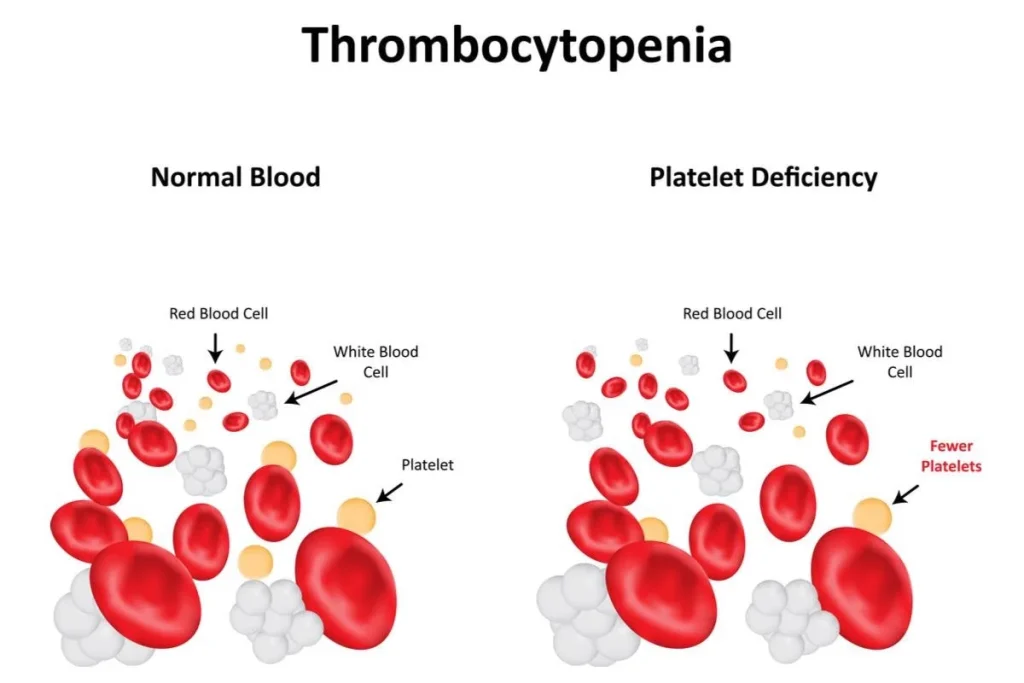
Thrombocytopenia is a condition characterized by a low level of platelets in the blood. Platelets are blood cells that help with clotting to stop bleeding. When platelet levels drop below normal, it can lead to easy bruising, bleeding, and difficulty stopping bleeding after injury.
What Are the Symptoms of Thrombocytopenia?
Symptoms vary depending on how low the platelet count is and the underlying cause.
Common Symptoms:
- Easy or excessive bruising
- Prolonged bleeding from cuts
- Spontaneous bleeding from gums or nose
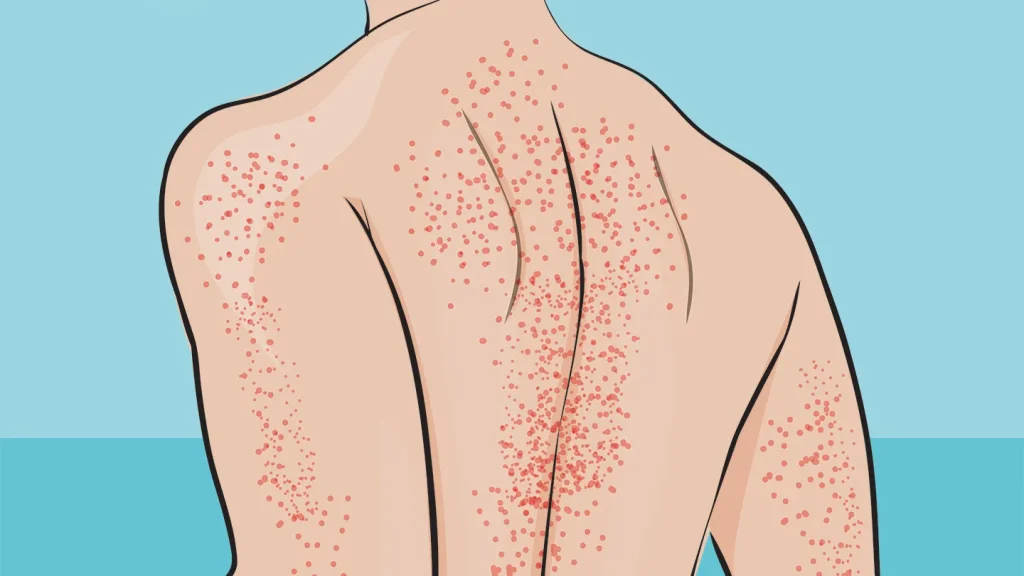
- Small red or purple spots on the skin (petechiae)
- Blood in urine or stool
- Heavy menstrual periods
- Fatigue (sometimes due to underlying causes)
What Causes Thrombocytopenia?
Thrombocytopenia can result from decreased platelet production, increased destruction, or abnormal distribution.
Common Causes:
- Bone marrow disorders (e.g., leukemia, aplastic anemia)
- Certain medications (e.g., chemotherapy drugs, heparin)
- Autoimmune diseases (e.g., immune thrombocytopenic purpura)
- Infections (e.g., HIV, hepatitis C)
- Heavy alcohol consumption
- Enlarged spleen (which traps platelets)
- Pregnancy
- Vitamin deficiencies (e.g., B12, folate)
How is Thrombocytopenia Diagnosed?
Diagnosis involves blood tests and sometimes further evaluation.
Diagnostic Tests:
- Complete blood count (CBC) to measure platelet levels
- Blood smear to examine platelet appearance
- Bone marrow biopsy (if needed) to check marrow function
- Tests for underlying diseases or infections
How is Thrombocytopenia Treated?
Treatment depends on the cause and severity of the low platelet count.
Treatment Options:
- Treating underlying conditions or infections
- Stopping or changing medications causing the problem
- Corticosteroids or immune-suppressing drugs for autoimmune causes
- Platelet transfusions in severe cases
- Splenectomy (removal of the spleen) in some chronic cases
- Avoiding activities that increase bleeding risk
Living with Thrombocytopenia?
People with thrombocytopenia should monitor for bleeding symptoms and follow medical advice to reduce risks.
Tips for Management:
- Avoid medications that increase bleeding risk (e.g., aspirin, NSAIDs) unless prescribed
- Use a soft toothbrush and electric razor to reduce bleeding chances
- Report unusual bleeding or bruising to your doctor promptly