


What is Uptake Syndrome Type 58?
Uptake Syndrome Type 58 is a rare inherited metabolic disorder characterized by mutations in specific transporter proteins that impair the cellular uptake of essential nutrients or molecules. This defect disrupts normal metabolism, causing symptoms such as developmental delays, neurological impairments, and metabolic abnormalities. Type 58 represents a unique subtype within the spectrum of uptake syndromes.
What Causes Uptake Syndrome Type 58?

- Genetic mutations affecting genes responsible for transporter proteins involved in nutrient uptake.
- These mutations lead to dysfunctional or absent transporter activity, causing intracellular nutrient deficiencies despite adequate availability outside the cells.
- Usually inherited in an autosomal recessive manner.
- Results in widespread metabolic disturbances affecting multiple organ systems.
Symptoms of Uptake Syndrome Type 58
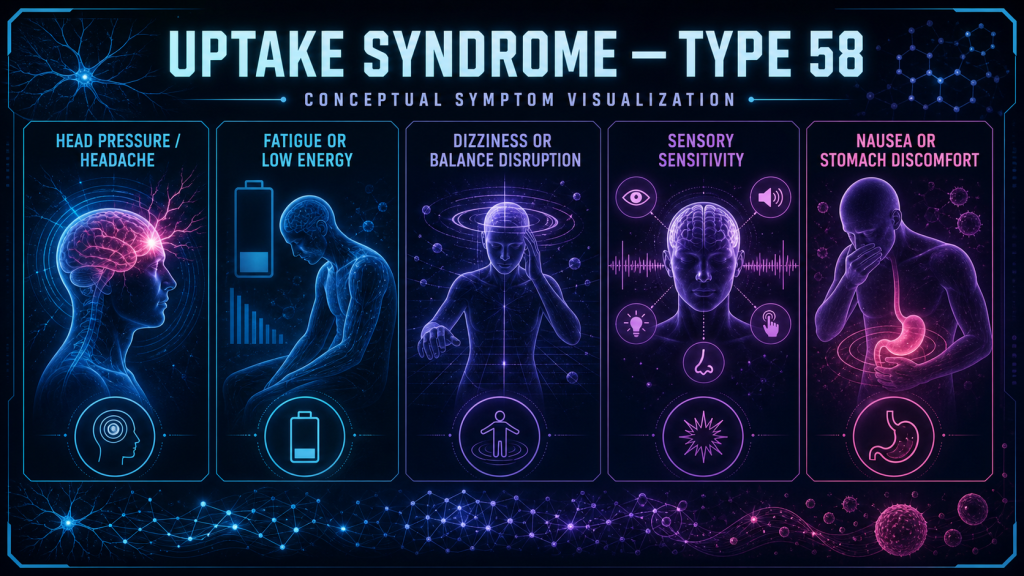
Symptoms often begin in infancy or early childhood and may include:
- Growth retardation and poor weight gain.
- Neurological symptoms such as developmental delay, hypotonia (low muscle tone), seizures, and muscle weakness.
- Feeding difficulties like vomiting and poor appetite.
- Metabolic imbalances detected on laboratory tests.
- Potential involvement of various organ systems depending on disease severity.
How is Uptake Syndrome Type 58 Diagnosed?
Diagnosis includes:
- Detailed medical history and clinical examination focusing on neurological and developmental signs.
- Laboratory tests such as blood and urine analysis for metabolic markers.
- Genetic testing to identify mutations specific to Uptake Syndrome Type 58.
- Functional assays to assess cellular uptake function.
- Neuroimaging (e.g., MRI) when neurological symptoms are present.
- Genetic counseling and family screening as needed.
How is Uptake Syndrome Type 58 Treated?
Treatment is largely supportive and aimed at managing symptoms:
- Nutritional supplementation with forms of nutrients that bypass defective transporter pathways.
- Dietary modifications to reduce metabolic stress.
- Medications to control neurological symptoms such as seizures.
- Supportive therapies including physical, occupational, and speech therapy.
- Ongoing monitoring of metabolic status and developmental progress.
- Genetic counseling for affected individuals and their families.
Prognosis of Uptake Syndrome Type 58
- Prognosis varies depending on severity and timing of diagnosis and treatment.
- Early diagnosis and intervention improve developmental and metabolic outcomes.
- Lifelong management may be required for neurological and metabolic complications.
Can Uptake Syndrome Type 58 Be Prevented?
- No known prevention after conception.
- Carrier screening for families with a history of uptake syndromes.
- Prenatal genetic testing for at-risk pregnancies.
- Preimplantation genetic diagnosis (PGD) as an option during assisted reproduction.
When Should You See a Doctor?
Seek medical advice if:
- Developmental milestones are delayed or growth is poor.
- Neurological symptoms such as seizures or muscle weakness occur.
- Persistent feeding difficulties or unexplained metabolic abnormalities arise.
- There is a family history of metabolic or genetic disorders.
