What is Quetiapine-Induced Urinary Retention?
Quetiapine-Induced Urinary Retention is a condition in which the normal ability to empty the bladder is impaired due to the effects of quetiapine, an antipsychotic medication commonly used to treat schizophrenia, bipolar disorder, and depression. This adverse effect results from the drug’s anticholinergic activity, which can interfere with the signals that trigger bladder contraction.
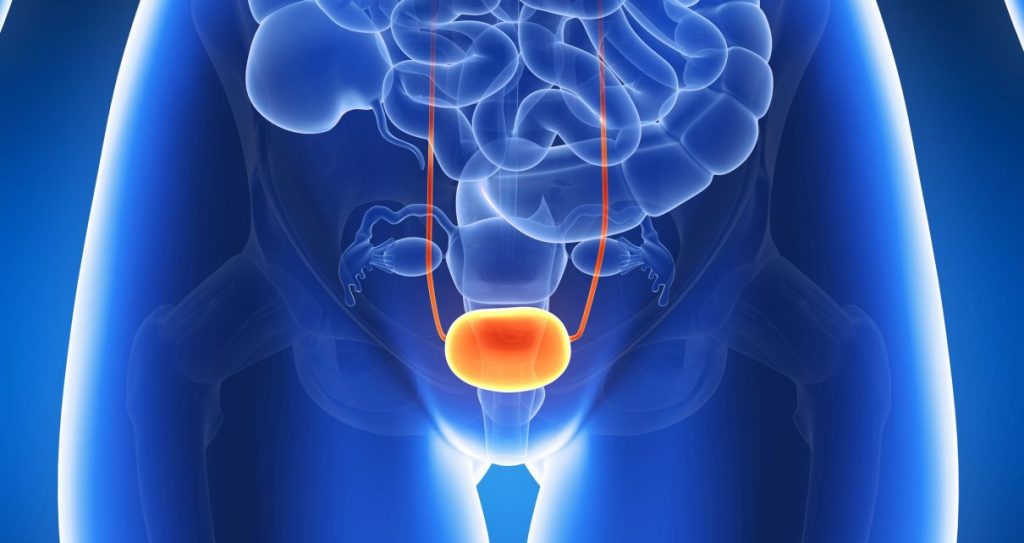
What Causes Quetiapine-Induced Urinary Retention?
Quetiapine can lead to urinary retention by affecting the nervous control of the bladder. Contributing factors include:
- Anticholinergic properties that reduce bladder muscle (detrusor) contractility
- Blockade of alpha-adrenergic receptors that regulate the urinary sphincter
- Higher doses of quetiapine or rapid dose escalation
- Increased risk in elderly individuals or those with pre-existing prostate enlargement
- Concurrent use of other anticholinergic or sedative medications
What Are the Symptoms of Quetiapine-Induced Urinary Retention?
Symptoms can vary in severity and may include:
- Difficulty starting urination (hesitancy)
- Weak or interrupted urine stream
- Feeling of incomplete bladder emptying
- Abdominal discomfort or fullness
- Frequent urination in small amounts
- In severe cases, complete inability to urinate, leading to bladder distention and pain
How Is Quetiapine-Induced Urinary Retention Diagnosed?
Diagnosis is based on symptoms, clinical examination, and testing. It may involve:
- Detailed medical and medication history to link symptoms to quetiapine use
- Physical examination, including palpation of the bladder
- Post-void residual urine measurement using ultrasound or catheterization
- Urinalysis to rule out infections or other urinary tract conditions
- Urological evaluation if symptoms persist or structural abnormalities are suspected

What Are the Treatment Options for Quetiapine-Induced Urinary Retention?
Management depends on the severity of symptoms and may include:
- Discontinuation or dose reduction of quetiapine under medical guidance
- Switching to an antipsychotic with lower anticholinergic effects
- Temporary catheterization to relieve acute retention
- Use of medications such as bethanechol to stimulate bladder contractions
- Alpha-blockers in patients with prostatic enlargement
- Monitoring and managing fluid intake to prevent complications
Can Quetiapine-Induced Urinary Retention Cause Complications?
Yes, if left untreated, it can lead to:
- Chronic bladder distention and loss of bladder function
- Recurrent urinary tract infections
- Kidney damage due to backflow of urine (hydronephrosis)
- Discomfort and reduced quality of life
- Need for long-term catheterization in severe cases