What is a Fecal Transplant?
A fecal transplant, also known as fecal microbiota transplantation (FMT), is a medical procedure where stool from a healthy donor is transferred into the intestines of a patient. This is done to restore a healthy balance of bacteria in the gut.
Why is a Fecal Transplant Done?
Fecal transplants are most commonly used to treat recurrent Clostridioides difficile (C. diff) infections. These infections can cause severe diarrhea and may not respond well to antibiotics. FMT may also be explored for other conditions such as:
- Inflammatory bowel disease (Crohn’s disease, ulcerative colitis)
- Irritable bowel syndrome (IBS)
- Antibiotic-associated diarrhea
- Some metabolic or autoimmune conditions (under research)
How Does it Work?
The healthy bacteria from the donor stool help rebuild the recipient’s gut microbiome. This can improve digestion, reduce harmful bacteria, and help manage inflammation and infection.
How is the Procedure Performed?
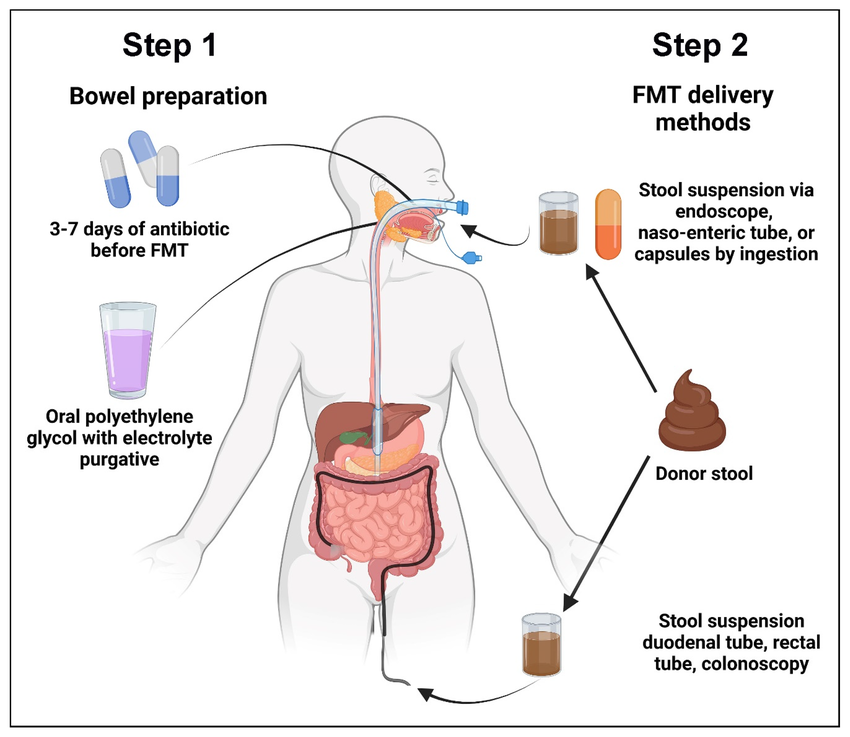
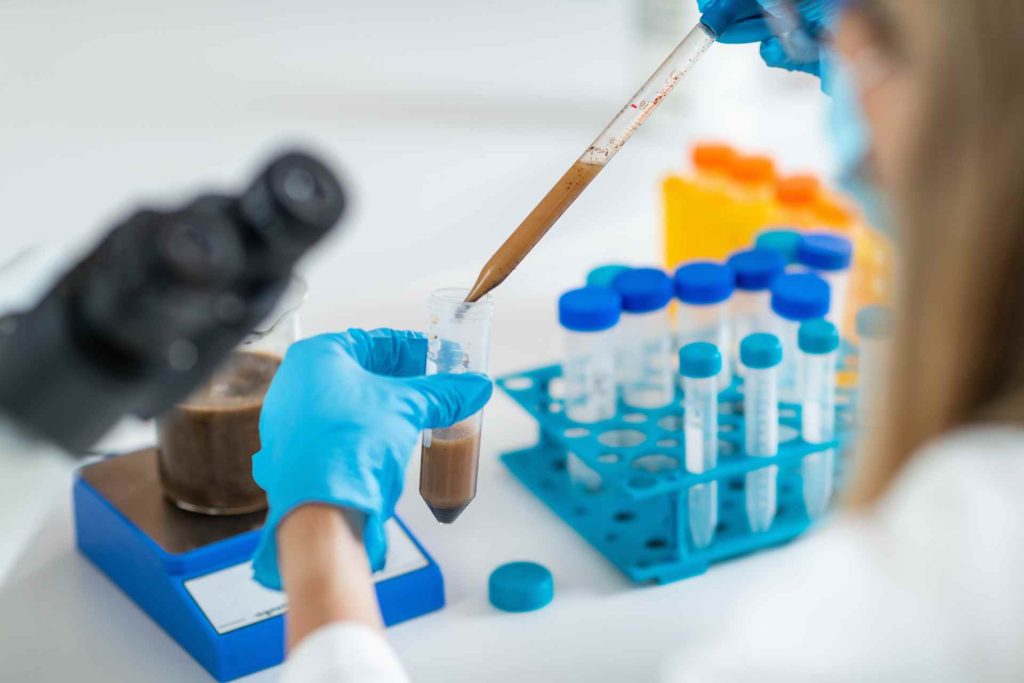
Donor stool is processed and turned into a liquid. It can be delivered to the patient in a few different ways:
- Colonoscopy
- Enema
- Nasogastric (NG) or nasojejunal (NJ) tube
- Capsules taken by mouth (encapsulated FMT)
Who Can Be a Donor?
Donors are carefully screened to make sure they are healthy. They must not have any infections, recent antibiotic use, or chronic medical conditions. The screening process helps ensure safety and effectiveness.
Is FMT Safe?
FMT is generally safe when done under medical supervision. Some people may have mild side effects like gas or bloating. Rarely, there is a risk of infection, but thorough donor screening helps reduce this.
How Successful is it?
For recurrent C. diff infections, fecal transplants are highly effective, with success rates over 85 to 90 percent. Results for other conditions are still being studied.
What Happens After the Procedure?
Most people start feeling better within a few days. In some cases, more than one treatment may be needed. Doctors usually follow up to monitor recovery and provide guidance on maintaining gut health.
Is FMT Approved?
In the United States, the FDA allows the use of FMT under special rules for treating C. diff that hasn’t responded to standard treatment. Research is ongoing for other uses of FMT.