


What is Juvenile-Onset Zellweger Syndrome?
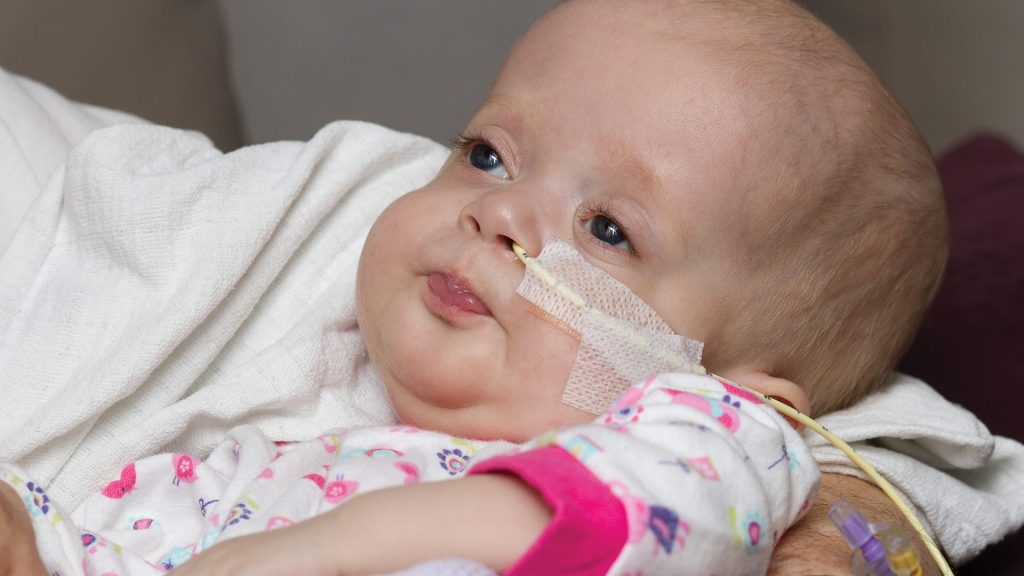
Juvenile-Onset Zellweger Syndrome is a rare genetic disorder that affects how the body breaks down certain fats and removes toxic substances. It belongs to a group of conditions called peroxisomal biogenesis disorders (PBDs), which are caused by problems in peroxisomes—tiny structures in cells that help with metabolism and detoxification. In the juvenile form, symptoms appear later in childhood and are generally milder than the classic infantile form.
What Causes Juvenile-Onset Zellweger Syndrome?
Zellweger Syndrome is caused by mutations in one of several PEX genes, which are responsible for the formation and function of peroxisomes. The condition is inherited in an autosomal recessive pattern, meaning a child must inherit one faulty gene from each parent.
When peroxisomes don’t work properly, the body cannot effectively break down very long-chain fatty acids, detoxify harmful substances, or produce key components needed for normal brain and organ function.
How Common is Juvenile-Onset Zellweger Syndrome?
Zellweger Syndrome is very rare, affecting approximately 1 in 50,000 to 1 in 100,000 newborns. The juvenile form is even rarer, as it tends to go undiagnosed or misdiagnosed due to its milder presentation.
What Are the Symptoms of Juvenile-Onset Zellweger Syndrome?
Symptoms can vary widely depending on the age of onset and severity. In the juvenile form, signs typically begin in childhood or adolescence and may include:
- Gradual loss of hearing and vision
- Delayed motor development or difficulty with movement
- Poor muscle tone or coordination (ataxia)
- Learning difficulties or intellectual disability
- Liver enlargement or dysfunction
- Seizures
- Weakness or fatigue
In contrast to the infantile form, children with the juvenile type may survive into adolescence or adulthood, although they may still face progressive neurological and physical challenges.
How is Juvenile-Onset Zellweger Syndrome Diagnosed?
Diagnosis is based on a combination of clinical features, laboratory tests, and genetic testing.
Tests may include:
- Blood tests to check for very long-chain fatty acids (VLCFAs), which build up when peroxisomes don’t work
- Urine tests for bile acid abnormalities
- Liver function tests
- Brain imaging (MRI) to detect structural changes
- Genetic testing to confirm mutations in PEX genes
Early diagnosis is important for managing symptoms and preventing complications.
How is Juvenile-Onset Zellweger Syndrome Treated?
There is currently no cure for Zellweger Syndrome, and treatment is aimed at managing symptoms, improving quality of life, and slowing disease progression.
Supportive treatments may include:
- Hearing aids or cochlear implants for hearing loss
- Vision support, such as glasses or visual aids
- Physical and occupational therapy to maintain mobility and function
- Special education services to address learning needs
- Anti-seizure medications if seizures are present
- Liver support and regular monitoring for function
- Nutritional support, sometimes including fat-soluble vitamins
In some cases, experimental treatments or clinical trials may be available, though these are not yet standard.
How Can Life Be Managed with Juvenile-Onset Zellweger Syndrome?
Living with juvenile-onset Zellweger Syndrome involves a team-based approach with medical, therapeutic, and educational professionals.
Helpful strategies include:
- Early intervention and developmental therapies
- Regular follow-ups with neurologists, geneticists, and audiologists
- Creating a supportive learning environment
- Adapting daily routines to the child’s physical and cognitive needs
- Connecting with rare disease support groups for community and resources
The progression of the disease can vary, and some individuals with juvenile-onset types may live into adulthood with ongoing support.
What Are the Possible Complications?
Over time, Zellweger Syndrome can lead to:
- Progressive hearing and vision loss
- Neurological decline, including worsening muscle control
- Liver failure
- Seizures or worsening epilepsy
- Risk of injury due to poor coordination
- Shortened lifespan in more severe cases
However, with early supportive care, many complications can be managed or delayed.
When Should You See a Doctor?
You should consult a doctor if your child shows:
- Developmental delays or regression
- Hearing or vision problems
- Seizures
- Muscle weakness or coordination issues
- A family history of peroxisomal disorders
Early evaluation by a geneticist or metabolic specialist can lead to better outcomes.
What Should You Remember About Juvenile-Onset Zellweger Syndrome?
- It is a rare genetic disorder that affects how the body handles fats and toxins
- The juvenile form has a later onset and milder symptoms than the infantile form
- There is no cure, but supportive care can help manage symptoms
- Multidisciplinary care improves quality of life and long-term outcomes
- Support and education are key for families navigating this condition