


What is Pituitary Gigantism?
Pituitary gigantism is a rare hormonal disorder characterized by excessive growth and height significantly above average. It occurs when the pituitary gland produces too much growth hormone (GH) before the growth plates in the bones have closed, typically during childhood or adolescence.
What causes Pituitary Gigantism?
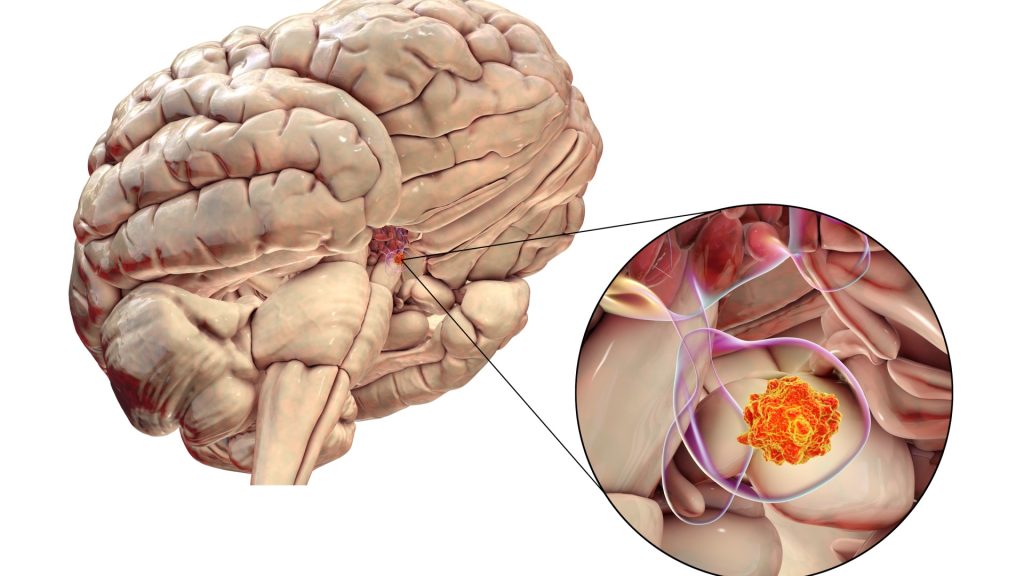
The main cause is usually a benign tumor on the pituitary gland called a pituitary adenoma. This tumor secretes excess growth hormone, leading to abnormal growth. Other causes are rare but may include genetic mutations or abnormalities affecting hormone regulation.
What are the symptoms of Pituitary Gigantism?
Symptoms arise from excess growth hormone and tumor effects:
- Excessive height and rapid growth of long bones
- Enlarged hands and feet
- Coarse facial features, including a prominent jaw and forehead
- Delayed puberty or other hormonal imbalances
- Headaches and visual disturbances due to tumor pressure on nearby structures
- Joint pain and muscle weakness
- Excessive sweating and oily skin
How is Pituitary Gigantism diagnosed?
Diagnosis involves:
- Medical history and physical examination focusing on growth patterns
- Blood tests showing elevated growth hormone and insulin-like growth factor-1 (IGF-1) levels
- Oral glucose tolerance test (OGTT) to confirm lack of growth hormone suppression
- MRI scan to detect and locate the pituitary tumor
- Assessment of other pituitary hormone levels
How is Pituitary Gigantism treated?
Treatment aims to reduce growth hormone levels and manage tumor size:
- Surgery: Transsphenoidal removal of the pituitary tumor is often the first step
- Medications: Such as somatostatin analogs, dopamine agonists, or GH receptor antagonists to lower hormone levels
- Radiation therapy: Used if surgery and medication are insufficient or if tumor recurs
- Regular monitoring of hormone levels and tumor status

What is the prognosis for Pituitary Gigantism?
- Early diagnosis and treatment improve growth outcomes and reduce complications
- If untreated, gigantism can lead to serious health issues such as diabetes, hypertension, and cardiovascular disease
- Some patients achieve normal or near-normal height with treatment
- Lifelong follow-up is usually necessary
How can patients manage Pituitary Gigantism?
- Adhere strictly to treatment and follow-up schedules
- Manage associated health problems such as diabetes or high blood pressure
- Seek support for psychosocial challenges related to abnormal growth
- Maintain a healthy lifestyle including balanced diet and physical activity
- Regular consultation with endocrinologists and other specialists
