What is Sideroblastic Anemia?
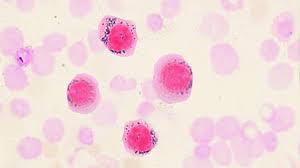
Sideroblastic anemia is a type of anemia where the bone marrow produces ringed sideroblasts instead of healthy red blood cells. This happens because the body’s ability to incorporate iron into hemoglobin is impaired, leading to iron accumulation in the mitochondria of developing red blood cells.
The result is a reduced number of functional red blood cells and anemia.

What Are the Symptoms of Sideroblastic Anemia?
- Fatigue and weakness
- Pale or yellowish skin (pallor or jaundice)
- Shortness of breath
- Dizziness or lightheadedness
- Rapid heartbeat
- Enlarged spleen (in some cases)
- Headaches
- Cold hands and feet
What Causes Sideroblastic Anemia?
Sideroblastic anemia can be:
- Congenital (inherited): Genetic mutations affecting heme synthesis
- Acquired: Due to factors such as
- Alcohol abuse
- Certain medications (e.g., isoniazid, chloramphenicol)
- Lead poisoning
- Vitamin B6 deficiency
- Myelodysplastic syndromes or other bone marrow disorders
- Copper deficiency
Who is at Risk for Sideroblastic Anemia?
- Individuals with a family history of the condition
- People exposed to toxins like lead or certain drugs
- Those with nutritional deficiencies (especially vitamin B6)
- Patients with bone marrow diseases
How is Sideroblastic Anemia Diagnosed?
- Complete blood count (CBC) showing anemia
- Blood smear examination
- Bone marrow biopsy revealing ringed sideroblasts (iron-loaded mitochondria visible with special staining)
- Iron studies showing increased iron stores
- Genetic testing if inherited form is suspected
How is Sideroblastic Anemia Treated?
Treatment depends on the cause:
- Vitamin B6 supplementation: Particularly effective in some inherited and acquired forms
- Avoidance of toxins: Such as alcohol and lead exposure
- Treat underlying conditions: Such as bone marrow disorders
- Blood transfusions: In severe cases to manage anemia
- Chelation therapy: To reduce iron overload if necessary
- Medications: Such as erythropoiesis-stimulating agents in some cases
What Are the Complications of Sideroblastic Anemia?
- Iron overload leading to damage in organs like the liver and heart
- Severe anemia causing fatigue and organ stress
- Possible progression to more serious bone marrow diseases
How Can You Prevent Sideroblastic Anemia?
- Avoid exposure to toxins such as lead and alcohol
- Maintain adequate nutrition, including vitamin B6
- Manage and monitor chronic medical conditions closely
When Should You See a Doctor?
- If you experience persistent symptoms of anemia like fatigue and shortness of breath
- If you have risk factors such as toxin exposure or family history
- For regular monitoring if diagnosed with a bone marrow disorder