What is Lumbar Spinal Stenosis?
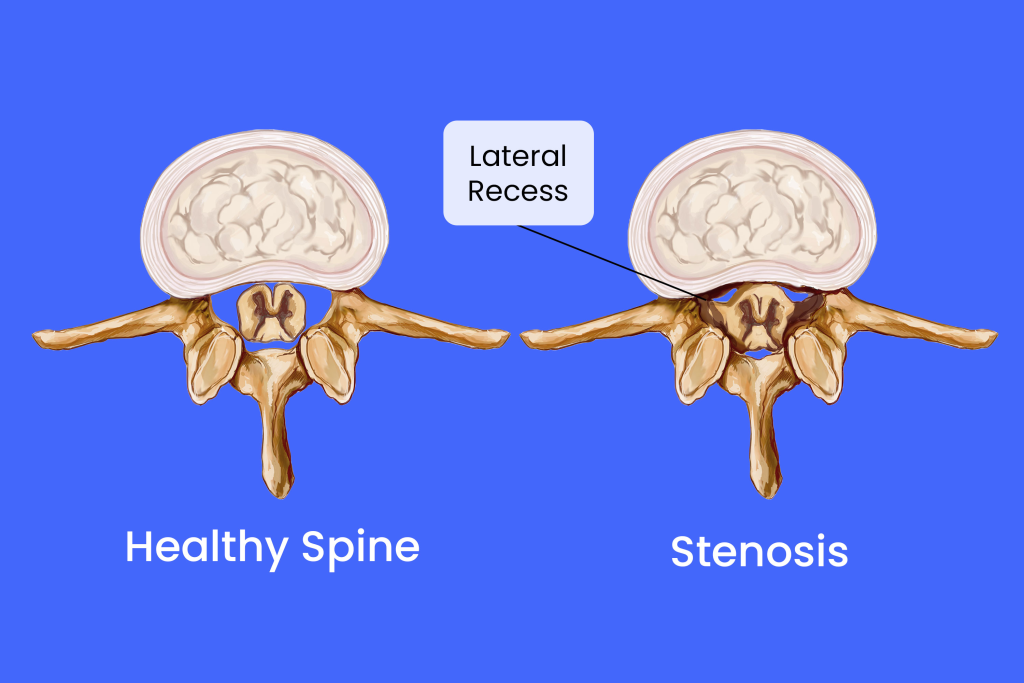
Lumbar Spinal Stenosis (LSS) is a medical condition that occurs when the spaces within the spine narrow, causing pressure on the spinal cord and nerves. This condition specifically affects the lower back, or lumbar region of the spine. The narrowing can lead to a variety of symptoms, including pain, numbness, and weakness in the legs, lower back, and sometimes in the buttocks.
Causes of Lumbar Spinal Stenosis?
The primary causes of lumbar spinal stenosis include:
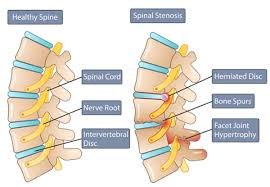
- Aging: As people age, the spine undergoes natural degenerative changes. Discs may lose fluid and become thinner, leading to a narrower spinal canal.
- Osteoarthritis: The development of bone spurs and thickened ligaments can contribute to spinal stenosis.
- Herniated Discs: A herniated disc can push into the spinal canal, leading to narrowing.
- Spinal Injuries or Fractures: Any trauma to the spine can result in the narrowing of the spinal canal.
- Congenital Factors: Some people are born with a naturally narrow spinal canal, increasing the risk of developing stenosis.
Symptoms of Lumbar Spinal Stenosis?
Common symptoms of lumbar spinal stenosis can vary in intensity, and they include:
- Lower Back Pain: A dull ache or sharp pain in the lower back.
- Leg Pain or Numbness: Pain that radiates into the buttocks, thighs, or calves.
- Weakness: Weakness in the legs or feet, affecting mobility.
- Clumsiness or Difficulty Walking: People may feel unsteady or have trouble walking long distances.
- Pain Relief When Sitting or Bending Forward: Symptoms often improve when sitting down or bending forward, as these positions can relieve pressure on the nerves.
Diagnosis of Lumbar Spinal Stenosis?
To diagnose lumbar spinal stenosis, a healthcare provider typically uses a combination of medical history, physical examination, and diagnostic tests such as:
- X-rays: These can show narrowing of the spinal canal or degenerative changes in the spine.
- MRI (Magnetic Resonance Imaging): MRI provides detailed images of the spinal cord, discs, and nerves.
- CT Scan: A computed tomography (CT) scan may also be used to get a more detailed view of the spine and surrounding structures.
- Myelogram: In some cases, a myelogram (an X-ray of the spine using a contrast dye) may be recommended for further evaluation.
Treatment Options for Lumbar Spinal Stenosis?
Treatment for lumbar spinal stenosis varies depending on the severity of the condition and the patient’s symptoms. The following treatment options may be recommended:
Non-Surgical Treatments
- Physical Therapy: Targeted exercises can help improve strength, flexibility, and mobility while alleviating pain.
- Medications: Over-the-counter pain relievers, such as ibuprofen or acetaminophen, may be used to manage pain. In some cases, stronger prescription medications or nerve pain medications might be prescribed.
- Steroid Injections: Injections of corticosteroids into the spinal canal may reduce inflammation and relieve pain.
- Lifestyle Modifications: Weight management, avoiding prolonged standing or walking, and using supportive footwear may help reduce symptoms.
Surgical Treatments
If non-surgical treatments do not relieve symptoms, or if the condition is severely affecting mobility or causing significant pain, surgery may be considered. Surgical options include:
- Laminectomy: The most common surgery for spinal stenosis, where a portion of the vertebra (the lamina) is removed to create more space in the spinal canal.
- Spinal Fusion: This surgery may be performed in conjunction with a laminectomy to stabilize the spine if the vertebrae are unstable.
- Foraminotomy: In cases where nerve root compression is a significant problem, this surgery involves removing bone or tissue to widen the space around the nerve roots.
Recovery and Outlook
The recovery time after treatment for lumbar spinal stenosis varies depending on the chosen approach. Non-surgical treatments often require lifestyle adjustments, physical therapy, and pain management, while surgical recovery may take a few weeks to several months.
Most people with lumbar spinal stenosis can find relief through a combination of treatments. However, the condition may worsen over time, and some people may require additional treatments or surgeries to maintain mobility and alleviate pain.
Preventing Lumbar Spinal Stenosis?
While it may not always be possible to prevent lumbar spinal stenosis, certain measures can reduce the risk of developing the condition or slow its progression:
- Exercise Regularly: Strengthening the muscles in your back and abdomen can help support the spine.
- Maintain a Healthy Weight: Excess weight can place added stress on the spine and increase the risk of spinal problems.
- Practice Good Posture: Proper posture helps reduce strain on the spine.
- Avoid Smoking: Smoking can accelerate the degenerative process in the spine.