What are Penis Disorders?
Penis disorders refer to a variety of medical conditions that affect the structure, function, or appearance of the penis. These disorders can impact sexual health, urination, and overall well-being.
Common Types and Causes
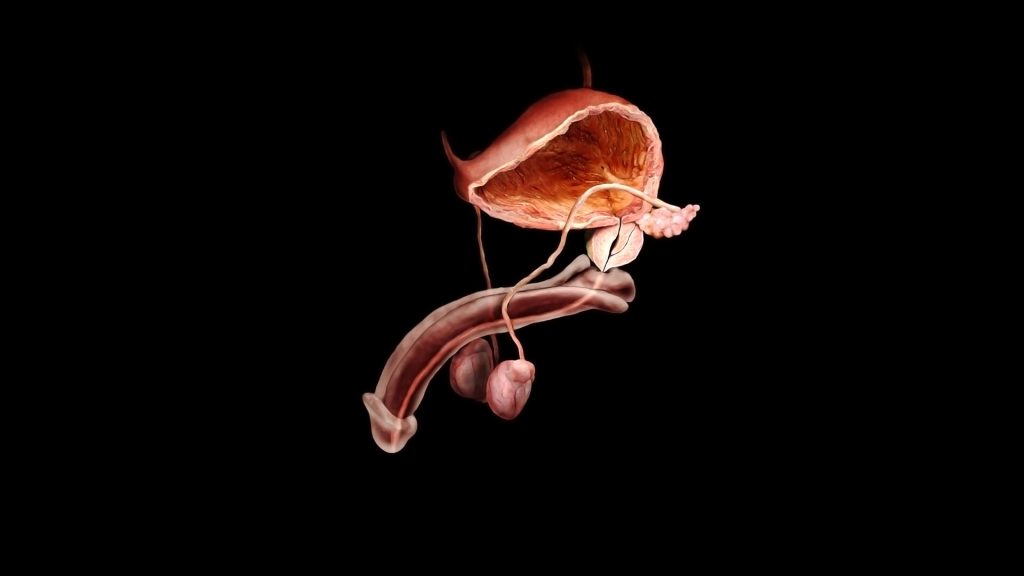
What are the common types of penis disorders and their causes?
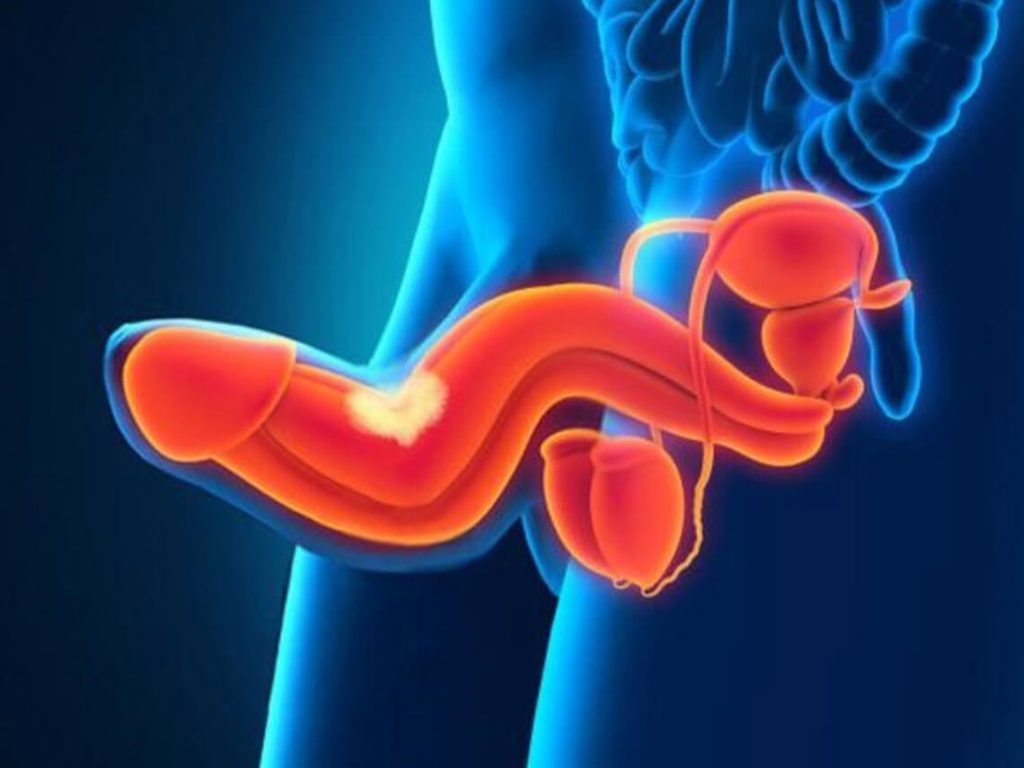
- Peyronie’s Disease: Development of fibrous scar tissue inside the penis causing curved, painful erections. The exact cause is unknown but may follow injury.
- Erectile Dysfunction (ED): Difficulty achieving or maintaining an erection, often due to vascular, neurological, psychological, or hormonal causes.
- Phimosis: Tight foreskin that cannot be retracted over the glans, often due to inflammation or scarring.
- Paraphimosis: The foreskin gets stuck behind the glans and cannot be pulled forward, causing swelling and pain. This is a medical emergency.
- Balanitis: Inflammation or infection of the glans, often due to poor hygiene, infections, or allergies.
- Penile Cancer: Malignant growths on the penis, often linked to HPV infection, poor hygiene, or chronic inflammation.
- Priapism: Prolonged, often painful erection not related to sexual stimulation, caused by blood flow problems.
- Congenital abnormalities: Such as hypospadias (urethral opening on the underside of the penis) or micropenis.
Symptoms
What symptoms might indicate a penis disorder?
- Pain or discomfort in the penis
- Changes in shape or size
- Difficulties with erections
- Sores, lumps, or growths on the penis
- Redness, swelling, or discharge
- Problems with urination such as pain or difficulty
- Persistent erection lasting more than 4 hours (priapism)
Diagnosis
How are penis disorders diagnosed?
Diagnosis is based on:
- Medical history and symptom description
- Physical examination
- Blood tests to check hormone levels or infections
- Ultrasound or Doppler studies for blood flow assessment
- Biopsy in case of suspicious lesions
- Psychological evaluation when needed
Treatment
Can penis disorders be treated?
Yes, treatment varies depending on the specific disorder.
Common treatments include:
- Medications such as antibiotics for infections, or PDE5 inhibitors for erectile dysfunction
- Topical creams or steroids for inflammation
- Surgical options for severe conditions like Peyronie’s disease, phimosis, or cancer
- Lifestyle changes including quitting smoking, managing diabetes, or reducing stress
- Counseling or therapy for psychological causes of sexual dysfunction
Prognosis
What is the outlook for penis disorders?
Many penis disorders respond well to treatment, especially if diagnosed early. Some conditions may require ongoing management or surgery. Prompt medical attention improves outcomes.
Prevention
Can penis disorders be prevented?
Preventive steps include:
- Maintaining good genital hygiene
- Safe sexual practices to prevent infections including HPV
- Regular medical check-ups
- Avoiding trauma or injury to the genital area
- Managing chronic health conditions like diabetes or cardiovascular disease
Support and Management
How can patients manage living with penis disorders?
- Following prescribed treatment plans
- Open communication with healthcare providers about symptoms and concerns
- Seeking psychological support if emotional distress occurs
- Joining support groups for sexual health or chronic conditions
When should someone see a doctor?
If you experience pain, lumps, persistent erection, difficulty urinating, or any unusual changes in your penis, seek medical advice promptly.