


What Is Elder Abuse?
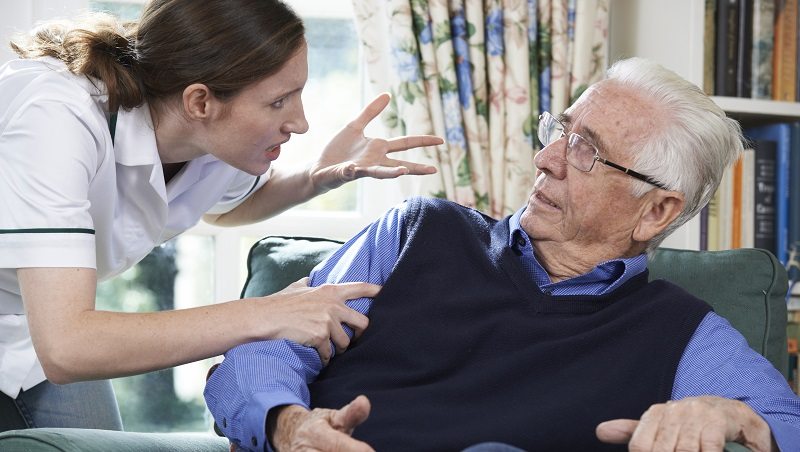
Elder abuse refers to the intentional or negligent harm or mistreatment of older adults, typically those aged 60 or older. It can take many forms, including physical abuse, emotional abuse, financial exploitation, sexual abuse, and neglect. Physical and emotional abuse are the most common forms of elder abuse, and they often go hand in hand.
Physical abuse involves the use of force or violence that causes pain or injury to the elder. Emotional abuse, on the other hand, includes verbal or non-verbal behavior that causes psychological harm. Unfortunately, elder abuse is often underreported, and many victims suffer in silence.
What Are the Causes and Risk Factors of Elder Abuse?
The causes of elder abuse are complex and can vary depending on the situation. However, certain factors may increase the likelihood of abuse, including:
1. Caregiver Stress:
- Caregiving can be physically, emotionally, and mentally exhausting. When caregivers feel overwhelmed, stressed, or lack proper training, they may resort to abusive behaviors, often unintentionally.
2. Mental Illness or Substance Abuse:
- Caregivers with mental health conditions, substance abuse problems, or a history of violent behavior may be more likely to engage in abusive actions toward elderly individuals.
3. Isolation:
- Elderly individuals who are socially isolated or lack a strong support network are at higher risk of abuse, as they are less likely to seek help or report mistreatment.
4. Cognitive Decline or Dementia:
- Older adults with cognitive impairments, such as dementia, are more vulnerable to abuse. They may not be able to communicate effectively or may not recognize when they are being harmed.
5. Financial Dependency:
- Older adults who are financially dependent on others may be more susceptible to exploitation and emotional abuse.
6. Age-related Frailty:
- Physical weakness or frailty makes older adults more vulnerable to physical abuse, as they may be unable to defend themselves or resist aggressive actions.
What Are the Types of Elder Abuse?
Elder abuse can take many forms. The two most common types are physical abuse and emotional abuse:
1. Physical Abuse:
- Physical abuse involves the use of force or violence that causes injury or harm. This can include hitting, slapping, pushing, kicking, burning, or restraining an elderly person. In some cases, caregivers may withhold necessary medication or medical care, leading to physical harm.
Signs of Physical Abuse:
- Unexplained bruises, cuts, or burns.
- Fractures or other injuries that don’t match the explanation.
- Frequent hospital visits for injuries.
- Fearfulness or hesitation to speak when around the caregiver.
- Bedsores or untreated medical conditions due to neglect.
2. Emotional Abuse:
- Emotional abuse involves causing psychological harm through verbal or non-verbal actions. This can include name-calling, threats, humiliation, intimidation, or isolation from loved ones. Emotional abuse can be just as harmful as physical abuse, leading to anxiety, depression, and a diminished sense of self-worth in the victim.
Signs of Emotional Abuse:
- Withdrawal from social interactions.
- Signs of anxiety, depression, or fearfulness.
- Sudden changes in behavior or personality.
- Fear of a particular person, especially the caregiver.
- Lack of self-esteem or self-worth.

How Is Elder Abuse Diagnosed?
Diagnosing elder abuse requires careful assessment by healthcare professionals, social workers, or law enforcement. Healthcare providers may observe physical and psychological signs of abuse during routine medical exams. If elder abuse is suspected, several steps may be taken:
1. Physical Examination:
- A thorough physical examination may reveal unexplained injuries, bruises, or signs of neglect.
2. Psychological Evaluation:
- If emotional abuse is suspected, mental health professionals may conduct assessments to evaluate the elder’s emotional state and well-being.
3. Interviews:
- Interviews with the elderly individual, their caregivers, and other family members can provide insight into the situation and help uncover any patterns of abuse.
4. Medical History Review:
- A review of the elder’s medical records can reveal inconsistencies in reports of injuries or signs of neglect.
How Can Elder Abuse Be Prevented?
Preventing elder abuse requires a multi-faceted approach involving families, caregivers, healthcare providers, and society. Some strategies for preventing elder abuse include:
1. Raising Awareness:
- Educating families, caregivers, and healthcare professionals about the signs of elder abuse can help prevent mistreatment. Awareness is crucial in identifying and addressing abuse early.
2. Providing Support for Caregivers:
- Caregivers who feel overwhelmed or stressed are more likely to abuse their elderly family members. Providing support, respite care, and counseling can help reduce caregiver burnout and prevent abuse.
3. Improving Social Support:
- Encouraging older adults to maintain strong social connections can reduce isolation and help them report any abuse they may be experiencing.
4. Ensuring Proper Training for Caregivers:
- Providing training and resources for caregivers can help them manage stress, learn appropriate caregiving techniques, and understand the emotional needs of elderly individuals.
5. Monitoring and Regular Check-ins:
- Regular visits from family members, friends, or healthcare professionals can help ensure the elderly person is well cared for and free from abuse.
How Is Elder Abuse Treated?
Treating elder abuse involves addressing both the physical and emotional consequences of the abuse. The treatment process will vary depending on the type of abuse and the severity of the situation:
1. Medical Treatment:
- Physical injuries caused by abuse may require immediate medical attention, including wound care, pain management, and possible hospitalization. Treatment for underlying health issues caused by neglect may also be necessary.
2. Mental Health Support:
- Emotional abuse may require counseling, therapy, or support groups to help the elderly individual heal from trauma, anxiety, or depression. Therapy may also help caregivers cope with stress and emotional issues.
3. Safety Measures:
- If the elderly person is still living with an abusive caregiver, measures should be taken to ensure their safety. This may involve removing the individual from the abusive environment, finding a safer living arrangement, or involving social services or law enforcement.
4. Legal Intervention:
- In cases of severe abuse, legal action may be necessary. This could involve pursuing a restraining order, pressing charges against the abuser, or arranging for guardianship.
When Should You Seek Help for Elder Abuse?
If you suspect that an elderly individual is being abused, it is important to take immediate action. Signs to look out for include:
- Unexplained injuries or changes in physical appearance.
- Withdrawal or depression in the elderly individual.
- Fear or anxiety when the caregiver is present.
- Sudden changes in financial status or unexplained financial issues.
If you are unsure whether elder abuse is occurring, it’s always better to report your concerns to the appropriate authorities for investigation. Early intervention can prevent further harm and protect the elderly person from ongoing abuse.
