


What Is Kratom/Kava Withdrawal?
Kratom/Kava withdrawal refers to the set of physical and psychological symptoms that occur when a person stops using kratom or kava after prolonged or heavy use. While both substances are plant-based and often used for their calming or stimulating effects, they can lead to dependence and withdrawal symptoms when suddenly discontinued.
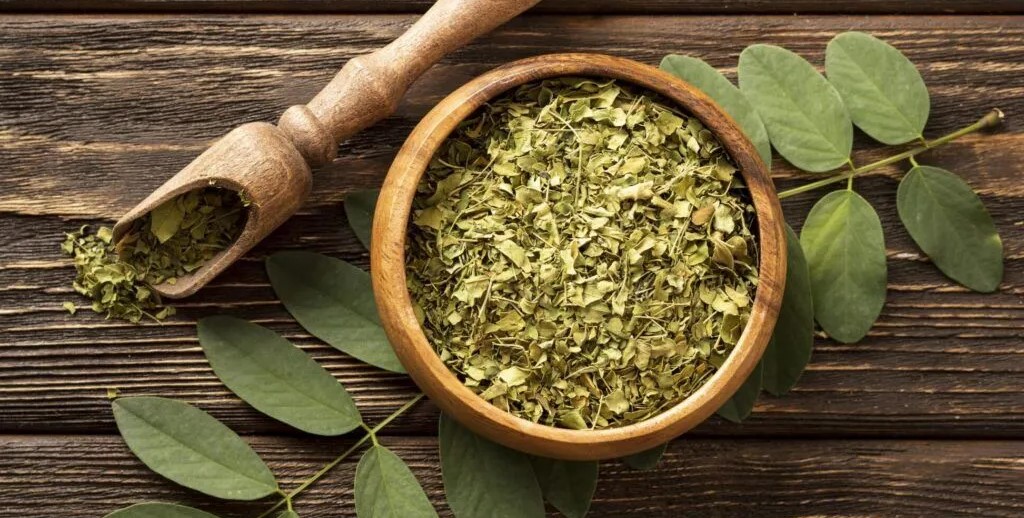
- Kratom (from Mitragyna speciosa) is a tropical tree native to Southeast Asia, used for pain relief, mood enhancement, and energy.
- Kava (from Piper methysticum) is a root from the South Pacific used traditionally for relaxation and anxiety relief.
Though they are often promoted as natural remedies, both substances can affect the brain and body in ways similar to other psychoactive drugs.

What Causes Withdrawal from Kratom or Kava?
Withdrawal occurs when the body becomes dependent on these substances to function normally. With regular use, the brain adapts to the presence of kratom’s alkaloids (like mitragynine and 7-hydroxymitragynine) or kava’s kavalactones, which interact with brain receptors.
When use is stopped, especially abruptly, the body experiences chemical imbalance, leading to withdrawal symptoms. The severity of symptoms depends on:
- Duration and frequency of use
- Dosage
- Individual tolerance
- Underlying health conditions
What Are the Symptoms of Kratom Withdrawal?
Kratom withdrawal symptoms often resemble those of opioid withdrawal due to its effect on opioid receptors in the brain. Symptoms may include:
- Muscle aches and joint pain
- Insomnia or restless sleep
- Nausea or vomiting
- Irritability and mood swings
- Anxiety or depression
- Diarrhea
- Runny nose and watery eyes
- Sweating and chills
- Tremors or restlessness
- Intense cravings
Symptoms typically begin within 6 to 12 hours after the last dose and may last for 3 to 10 days, depending on usage patterns.
What Are the Symptoms of Kava Withdrawal?
Withdrawal from kava is less well-documented but may include:
- Anxiety or irritability
- Fatigue
- Restlessness
- Muscle tension
- Headaches
- Sleep disturbances
- Cravings
Kava has a milder withdrawal profile compared to kratom but can still cause discomfort, particularly in those who have used it daily for extended periods.
How Is Kratom/Kava Withdrawal Diagnosed?
Diagnosis is usually based on:
- Patient history of use (frequency, dose, duration)
- Physical examination and symptom review
- Rule-out of other conditions that may mimic withdrawal (e.g., infections, anxiety disorders)
There are no specific lab tests for kratom or kava withdrawal, but healthcare providers may perform urine drug screens to check for other substances.
How Is Kratom/Kava Withdrawal Treated?
Treatment focuses on symptom management, supportive care, and gradual recovery:
- Tapering: Slowly reducing the dose over time can ease withdrawal symptoms.
- Hydration and nutrition: To support the body during detox.
- Medications:
- Over-the-counter pain relievers for aches
- Antiemetics for nausea
- Sleep aids or anti-anxiety medications under supervision
- Therapy and counseling: Especially for emotional support and relapse prevention
- Support groups: Such as Narcotics Anonymous or online communities
In severe cases, inpatient detox programs may be recommended for close monitoring and care.
Can Kratom/Kava Withdrawal Be Prevented?
Yes, withdrawal can often be avoided or minimized by:
- Using kratom or kava only occasionally
- Avoiding high doses or prolonged daily use
- Seeking medical advice before stopping, especially if use has been heavy or long-term
- Tapering gradually rather than quitting cold turkey
- Considering safer, evidence-based alternatives for anxiety, pain, or mood disorders
Awareness and education are key to preventing dependency.
What Is the Outlook for People Going Through Withdrawal?
Most people fully recover from kratom or kava withdrawal, especially with proper support and care. While withdrawal can be uncomfortable, it is typically not life-threatening. However, some individuals may struggle with psychological cravings or underlying mental health issues and may benefit from longer-term therapy.
With the right help, people can return to a balanced, substance-free life and regain control over their health.