


What is Hermansky-Pudlak Syndrome?
Hermansky-Pudlak Syndrome (HPS) is a rare genetic disorder that primarily affects the skin, eyes, and blood, and in some cases, the lungs and intestines. It is characterized by a combination of albinism, vision problems, and a tendency to bleed due to a deficiency of platelet dense bodies. Some forms of HPS may also lead to lung disease (pulmonary fibrosis), inflammatory bowel disease, or kidney problems.
It was first identified in individuals from Puerto Rico but can occur in people of any ethnic background.
What causes Hermansky-Pudlak Syndrome?
HPS is caused by mutations in any of several genes (at least 11 types have been identified: HPS1 through HPS11) that are involved in the formation and function of certain organelles inside cells, including:
- Melanosomes (affecting skin and eye pigmentation)
- Platelet dense granules (affecting blood clotting)
- Lysosomes (affecting immune system and other organ functions)
The syndrome is inherited in an autosomal recessive pattern, meaning a child must inherit one defective gene from each parent to be affected.
Who is at risk?
- Individuals with a family history of HPS
- People of Puerto Rican descent (especially from northwest Puerto Rico), where the condition is more common
- Both males and females can be equally affected
What are the symptoms of Hermansky-Pudlak Syndrome?
The symptoms can vary based on the subtype, but common features include:
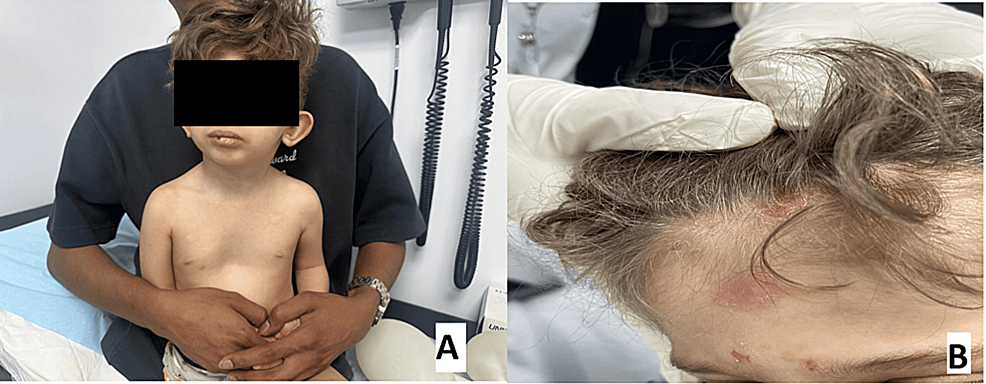
- Oculocutaneous albinism: Pale skin, light-colored hair, and light eyes
- Nystagmus (involuntary eye movements)
- Reduced visual acuity or photophobia (light sensitivity)
- Easy bruising or prolonged bleeding
- Frequent nosebleeds
- Bleeding gums
- Menorrhagia (heavy menstrual bleeding)
- Pulmonary fibrosis (especially in adults with certain HPS types)
- Inflammatory bowel disease (similar to Crohn’s disease)
- Kidney involvement in some subtypes
How is Hermansky-Pudlak Syndrome diagnosed?
Diagnosis is based on:
- Clinical features, such as albinism and bleeding symptoms
- Blood tests, especially platelet function tests (showing absent dense granules)
- Genetic testing to identify mutations in known HPS genes
- Electron microscopy of platelets, which can confirm the absence of dense bodies
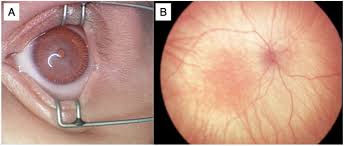
- Eye examination to assess for vision-related abnormalities
Early diagnosis helps manage bleeding risks and monitor for lung or gastrointestinal complications.
How is Hermansky-Pudlak Syndrome treated?
There is no cure for HPS, but treatment focuses on managing symptoms and preventing complications.
Management includes:
- Avoiding blood-thinning medications like aspirin
- Bleeding precautions (especially before surgery or dental work)
- Desmopressin (DDAVP): A medication that can help reduce bleeding in some cases
- Vision support: Glasses, magnifiers, and visual aids
- Monitoring lung function regularly in adult patients
- Treatment of inflammatory bowel disease with standard IBD therapies
- Lung transplant evaluation in advanced pulmonary fibrosis
Genetic counseling is recommended for affected families.
What are the complications of Hermansky-Pudlak Syndrome?
- Bleeding problems during surgery, childbirth, or after injuries
- Pulmonary fibrosis, which can be life-threatening
- Vision impairment
- Digestive issues related to bowel inflammation
- Progressive lung disease in certain HPS types (especially HPS-1 and HPS-4)
Lifelong monitoring is often necessary, especially for lung and gastrointestinal involvement.