What is Synovitis?
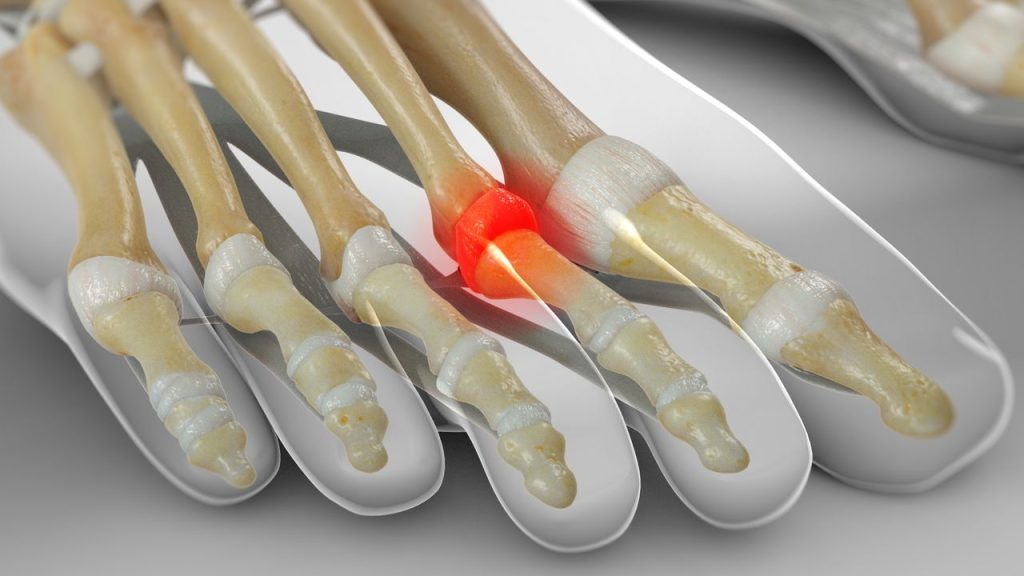
Synovitis is the inflammation of the synovial membrane, which is the lining of the joints that produces synovial fluid to lubricate and nourish the cartilage and bones inside the joint. When this membrane becomes inflamed, it can cause pain, swelling, and stiffness in the affected joint.
Synovitis can occur in any joint but is most common in the knees, wrists, and hands.
What Are the Symptoms of Synovitis?
The main symptoms of synovitis relate to joint inflammation and include:
- Joint pain and tenderness
- Swelling around the joint
- Warmth and redness over the affected joint
- Stiffness and limited range of motion
- A feeling of fullness or pressure inside the joint
What Causes Synovitis?
Synovitis can result from various causes, including injury, infection, or underlying medical conditions.
Common Causes and Risk Factors:
- Injury or trauma: joint sprains, fractures, or repetitive movements can irritate the synovium
- Arthritis: especially rheumatoid arthritis, psoriatic arthritis, and gout
- Infections: bacterial or viral infections can infect the synovial membrane
- Autoimmune disorders: where the immune system attacks the joint lining
- Other causes: crystal deposits, such as in gout or pseudogout
How is Synovitis Diagnosed?
Diagnosis is based on a combination of physical examination, patient history, and diagnostic tests:
- Physical exam revealing joint swelling and tenderness
- Blood tests to check for inflammation and autoimmune markers
- Joint fluid analysis to detect infection or crystals
- Imaging tests like X-rays, ultrasound, or MRI to assess joint damage and inflammation
How is Synovitis Treated?
Treatment depends on the cause and severity of synovitis.
- Rest and Immobilization: Avoiding activities that worsen symptoms.
- Medications:
- Nonsteroidal anti-inflammatory drugs (NSAIDs) to reduce pain and inflammation
- Corticosteroid injections into the joint for more severe inflammation
- Antibiotics if infection is present
- Physical Therapy: To improve joint function and reduce stiffness.
- Surgery: In rare cases, removal of the inflamed synovial tissue (synovectomy) may be needed.
Complications of Synovitis
If untreated, synovitis can lead to:
- Chronic joint pain and swelling
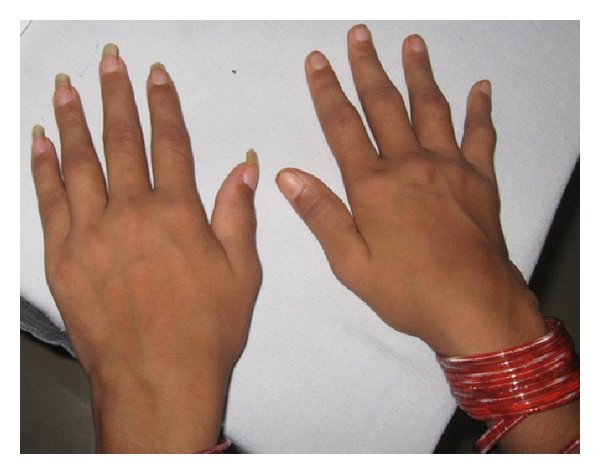
- Joint damage and deformity
- Reduced mobility and function
- Spread of infection (if caused by bacteria)
Living with Synovitis
Managing synovitis involves controlling inflammation and protecting joint health. Following your doctor’s advice on medication, physical therapy, and lifestyle changes is important. Early treatment can help prevent joint damage and maintain quality of life.