What are Focal Brain Lesions?
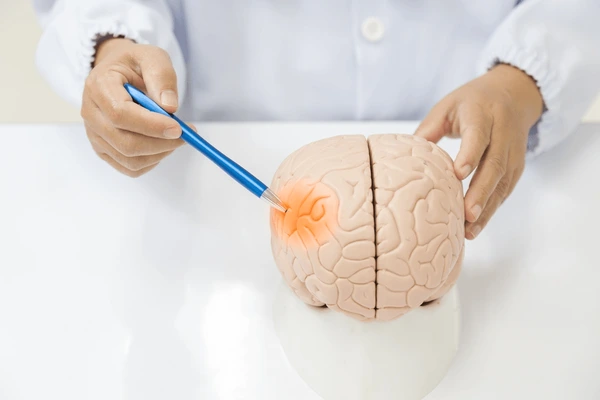
Focal brain lesions are localized areas of damage or abnormality within the brain. These lesions affect a specific part of the brain and may be caused by injury, disease, or infection. The symptoms and severity vary depending on the location and size of the lesion.
Unlike diffuse brain injuries that affect the entire brain, focal lesions are limited to one area, which helps in identifying the source of specific neurological symptoms.
What causes Focal Brain Lesions?
Common causes include:
- Stroke (ischemic or hemorrhagic)
- Traumatic brain injury
- Brain tumors (benign or malignant)
- Infections such as abscesses or encephalitis
- Multiple sclerosis (MS)
- Vascular malformations
- Autoimmune disorders
- Neurodegenerative diseases
What are the symptoms?
Symptoms depend on the location of the lesion within the brain, but may include:
- Headache
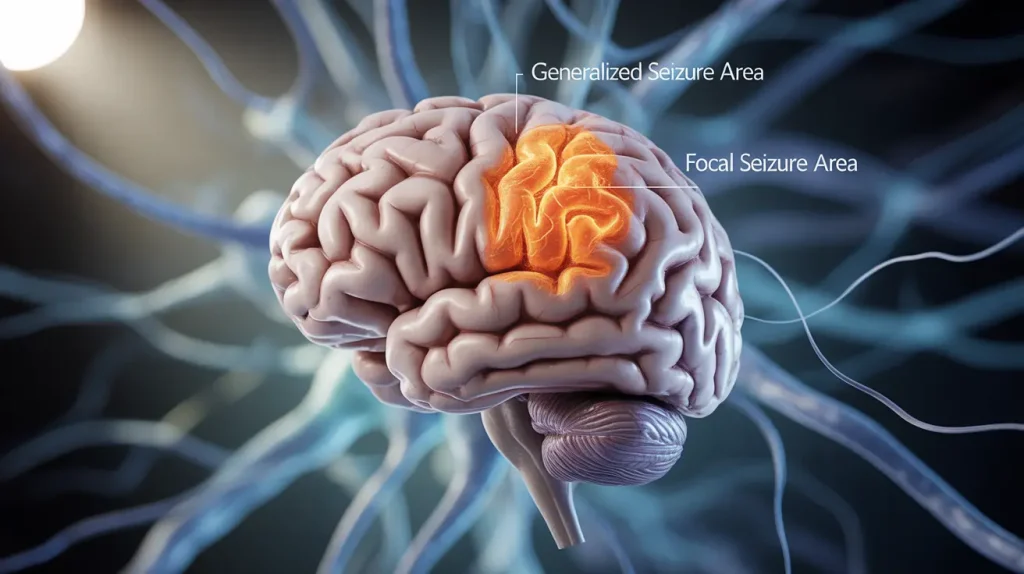
- Seizures
- Weakness or numbness in one part of the body
- Vision or speech problems
- Memory loss or confusion
- Difficulty with coordination or balance
- Behavioral or personality changes
How is it diagnosed?
Doctors use several tools to identify and understand brain lesions:
- MRI (Magnetic Resonance Imaging) – the most detailed imaging
- CT scan – especially useful in emergencies or trauma
- Neurological examination – tests motor skills, reflexes, coordination
- Blood tests – to look for infections or autoimmune causes
- Biopsy – if a tumor is suspected
Are Focal Brain Lesions dangerous?
They can be, depending on the underlying cause and how quickly treatment is started. Some are benign and stable, while others can be life-threatening if untreated (e.g., tumors, hemorrhages, infections).
Early diagnosis improves outcomes, especially in cases like stroke or tumors.
What is the treatment?
Treatment varies based on the cause:
- Medications – for seizures, inflammation, infections, or MS
- Surgery – if the lesion is a tumor, abscess, or blood clot
- Radiation or chemotherapy – for cancerous lesions
- Rehabilitation – physical, occupational, or speech therapy after injury
- Management of underlying condition – like high blood pressure, diabetes, or autoimmune disease
Can you recover from a focal brain lesion?
Recovery is possible, especially if the lesion is treated early. The brain has some ability to rewire itself (neuroplasticity), and rehabilitation can help regain function. However, permanent effects are possible if the lesion is large or affects critical areas.
When should you see a doctor?
Seek immediate care if you experience:
- Sudden weakness or numbness on one side of the body
- Loss of speech or vision
- Seizures
- Sudden confusion or severe headache
- Loss of coordination or consciousness