What is Short Bowel Syndrome?
Short Bowel Syndrome (SBS) is a condition that occurs when a large portion of the small intestine is missing or has been surgically removed. This reduces the body’s ability to absorb nutrients, fluids, and electrolytes from food, leading to malnutrition and dehydration.
SBS often develops after surgery to remove damaged or diseased sections of the intestine and can cause serious digestive problems.
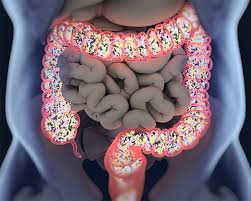
What Are the Symptoms of Short Bowel Syndrome?
Common symptoms include:
- Diarrhea or loose, watery stools
- Frequent bowel movements
- Abdominal cramps and bloating
- Fatigue and weakness
- Weight loss and malnutrition
- Dehydration
- Steatorrhea (fatty, foul-smelling stools)
- Vitamin and mineral deficiencies
What Causes Short Bowel Syndrome?
SBS usually results from:
- Surgical removal of large parts of the small intestine due to conditions like Crohn’s disease, cancer, or injury
- Congenital defects (being born with a shorter intestine)
- Trauma or injury to the intestines
- Blood supply problems leading to tissue death
Who is at Risk for Short Bowel Syndrome?
- People who have had extensive intestinal surgery
- Those with bowel diseases like Crohn’s disease or cancer
- Infants born with intestinal abnormalities
How is Short Bowel Syndrome Diagnosed?
Diagnosis involves:
- Medical history and physical exam
- Imaging tests such as CT scans or MRI
- Endoscopy to view the intestines
- Blood tests to check for nutrient deficiencies and dehydration
How is Short Bowel Syndrome Treated?
Treatment aims to improve nutrient absorption and manage symptoms:
- Dietary changes:
- Small, frequent meals
- High-calorie, low-fat diet
- Vitamin and mineral supplements
- Medications:
- Anti-diarrheal drugs
- Acid reducers
- Growth factors to improve intestinal absorption
- Parenteral nutrition:
- Intravenous feeding to provide nutrients directly into the bloodstream when absorption is insufficient
- Surgery:
- In some cases, procedures to lengthen the intestine or transplant may be considered
What Are the Complications of Short Bowel Syndrome?
- Malnutrition and vitamin deficiencies
- Dehydration and electrolyte imbalances
- Liver disease from long-term intravenous feeding
- Bacterial overgrowth in the intestine
- Kidney stones

How Can You Prevent Short Bowel Syndrome?
Prevention mainly involves avoiding unnecessary intestinal surgery and managing bowel diseases promptly.
When Should You See a Doctor?
- If you experience persistent diarrhea, weight loss, or signs of malnutrition after intestinal surgery
- If you have difficulty maintaining hydration or nutrition