


What is Uptake Syndrome Type 62?
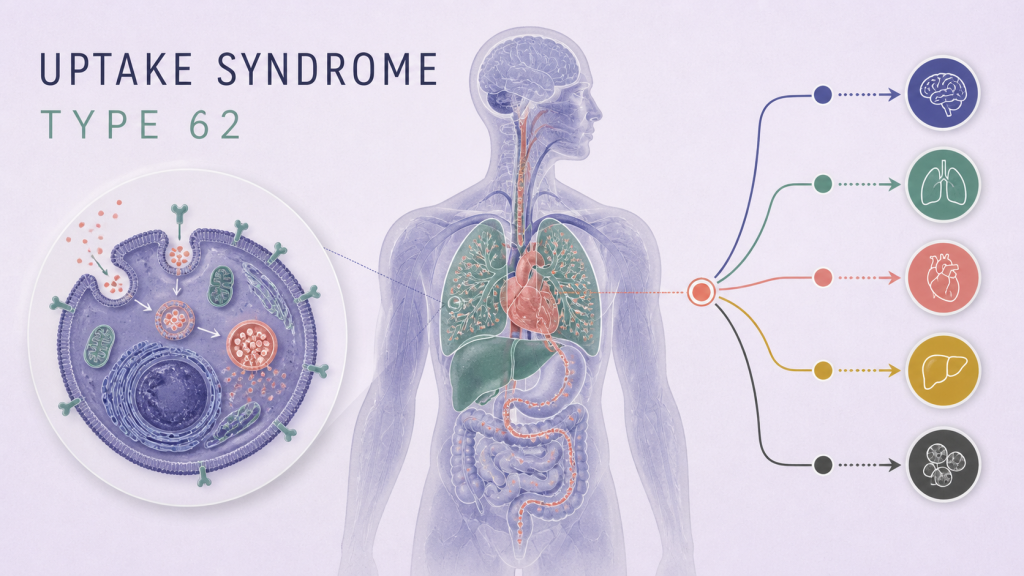
Uptake Syndrome Type 62 is a rare inherited metabolic disorder caused by mutations in genes responsible for the function of specific transporter proteins. These transporters are crucial for the uptake of essential nutrients and molecules into cells. When their function is impaired, it disrupts normal metabolism, leading to various symptoms, including developmental delays, neurological issues, and metabolic imbalances. Type 62 is one of several subtypes within the uptake syndrome spectrum.
What Causes Uptake Syndrome Type 62?

- Genetic mutations affecting genes coding for transporter proteins involved in cellular nutrient uptake.
- Defective or absent transporter proteins lead to intracellular nutrient deficiencies despite normal external supply.
- Usually inherited in an autosomal recessive manner.
- Results in widespread metabolic dysfunction impacting multiple body systems.
Symptoms of Uptake Syndrome Type 62
Symptoms typically appear in infancy or early childhood and may include:
- Growth retardation and failure to thrive.
- Neurological symptoms such as developmental delay, hypotonia (low muscle tone), seizures, and muscle weakness.
- Feeding difficulties including vomiting and poor appetite.
- Metabolic abnormalities evident in blood and urine tests.
- Possible involvement of various organ systems based on disease severity.
How is Uptake Syndrome Type 62 Diagnosed?
Diagnosis includes:
- Comprehensive medical history and physical exam focusing on neurological and developmental signs.
- Laboratory tests to detect metabolic disturbances.
- Genetic testing to identify mutations associated with Uptake Syndrome Type 62.
- Functional tests to assess cellular uptake of nutrients.
- Neuroimaging such as MRI when neurological symptoms are present.
- Genetic counseling for patients and families.
How is Uptake Syndrome Type 62 Treated?
Treatment focuses on symptom management:
- Nutritional supplementation with forms of nutrients that bypass the defective transporters.
- Dietary modifications to reduce metabolic stress.
- Medications to control seizures or other neurological symptoms.
- Supportive therapies including physical, occupational, and speech therapy.
- Regular follow-up to monitor metabolic and developmental progress.
- Genetic counseling and support for families.
Prognosis of Uptake Syndrome Type 62
- Prognosis varies based on severity and early diagnosis.
- Early intervention can improve developmental outcomes and reduce complications.
- Lifelong management may be necessary for neurological and metabolic issues.
Can Uptake Syndrome Type 62 Be Prevented?
- No prevention after conception.
- Carrier screening in families with known uptake syndrome history.
- Prenatal genetic testing for at-risk pregnancies.
- Preimplantation genetic diagnosis (PGD) during assisted reproduction may be an option.
When Should You See a Doctor?
Consult a healthcare provider if:
- There are developmental delays or poor growth.
- Neurological symptoms such as seizures or muscle weakness occur.
- Persistent feeding difficulties or unexplained metabolic abnormalities are present.
- Family history of metabolic or genetic disorders exists.
