


What Is Infectious Arthritis?
Infectious arthritis, also known as septic arthritis, is a serious condition where a joint becomes infected by bacteria, viruses, or fungi. This infection causes inflammation, pain, and swelling in the affected joint. It often develops quickly and needs urgent medical treatment to prevent joint damage or spread of infection.

What Causes Infectious Arthritis?
Infectious arthritis occurs when microorganisms enter the joint space, often through:
- Bloodstream spread from another infected area
- Direct entry during surgery, injections, or trauma (like a puncture wound)
- Nearby infected tissue spreading into the joint
Common organisms include:
- Bacteria – Staphylococcus aureus is the most common
- Gonorrhea bacteria – Neisseria gonorrhoeae, especially in young adults
- Viruses – like hepatitis, mumps, or rubella (less common)
- Fungi – in people with weakened immune systems
Who Is at Risk of Infectious Arthritis?
Risk factors include:
- Older age
- Weakened immune system (HIV, cancer, diabetes)
- Rheumatoid arthritis or other joint diseases
- Recent joint surgery or injections
- IV drug use
- Prosthetic joints
- Open wounds near joints
What Are the Symptoms of Infectious Arthritis?
Symptoms typically come on suddenly and can include:
- Severe joint pain, often in a single joint (commonly the knee or hip)
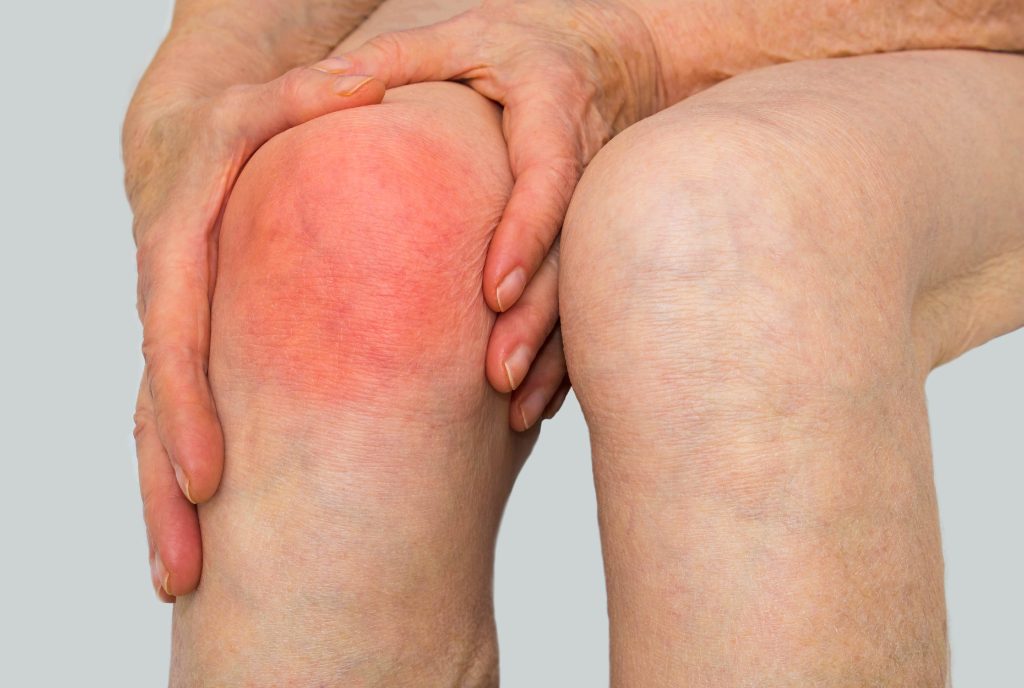
- Swelling and redness
- Warmth over the joint
- Stiffness and limited movement
- Fever and chills
- Fatigue or weakness
Children may also show signs of irritability, limping, or not using the affected limb.
How Is Infectious Arthritis Diagnosed?
Early diagnosis is key. Doctors may perform:
- Joint aspiration – removing fluid from the joint for lab testing (to identify the organism)
- Blood tests – to detect signs of infection
- Imaging – like X-rays, ultrasound, or MRI to assess joint damage
- Physical examination – to check pain, swelling, and mobility
How Is Infectious Arthritis Treated?
Treatment usually starts immediately and includes:
- Antibiotics – usually given by IV, tailored to the identified bacteria
- Antifungals or antivirals – if the infection isn’t bacterial
- Joint drainage – through needle aspiration, arthroscopy, or surgery to remove infected fluid
- Pain relievers and anti-inflammatory medications
- Physical therapy – to restore joint movement once the infection is under control
Early and aggressive treatment helps protect the joint from permanent damage.
Can Infectious Arthritis Be Prevented?
While not all cases are preventable, the risk can be reduced by:
- Treating infections promptly elsewhere in the body
- Practicing good hygiene with injections or surgeries
- Managing chronic health conditions
- Avoiding risky behaviors, like unprotected sex or IV drug use
- Proper care of wounds or cuts near joints
People with joint replacements should follow all post-surgical care guidelines to minimize infection risk.
When Should You See a Doctor?
Seek immediate medical care if you have:
- Sudden joint pain with fever
- Swollen, red, or hot joint
- Inability to move the joint
- Known risk factors with new joint symptoms
Delaying treatment can lead to permanent joint damage or life-threatening complications.