What is Munchausen Syndrome?
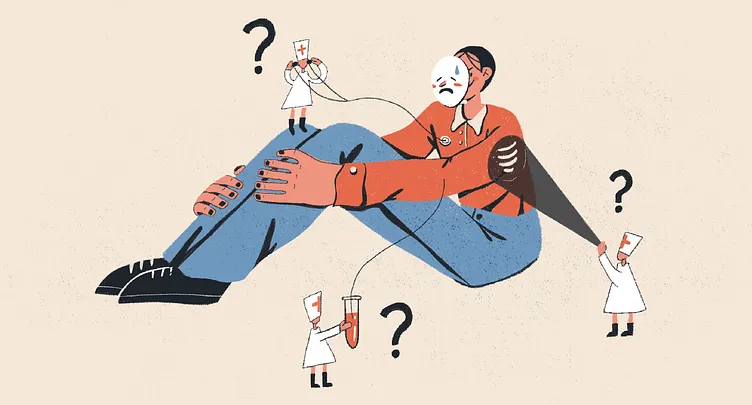
Munchausen Syndrome, also known as Factitious Disorder Imposed on Self, is a psychological condition in which a person repeatedly acts as if they have a physical or mental illness when, in fact, they are not really sick. The person with Munchausen Syndrome intentionally produces, feigns, or exaggerates symptoms of illness for various psychological reasons, most notably the desire for attention, sympathy, or to be taken care of in a medical setting.
This disorder is named after Baron von Munchausen, a fictional character known for telling exaggerated, often fabricated stories about his life. Similarly, individuals with Munchausen Syndrome create false symptoms to gain attention and sympathy, although their motives are more complex than simply seeking attention.
Causes of Munchausen Syndrome
The exact cause of Munchausen Syndrome is not fully understood, but several factors may contribute to its development:
- Psychological Factors – People with Munchausen Syndrome may have experienced childhood trauma, such as abuse or neglect, which can lead to feelings of inadequacy or a need for attention and care.
- Previous Illnesses – Individuals who have had frequent hospitalizations or medical conditions in their past may develop Munchausen Syndrome as a way of recreating the attention and care they received during that time.
- Personality Disorders – Some individuals with Munchausen Syndrome may also have underlying personality disorders, such as borderline personality disorder or narcissistic personality disorder, which can influence their need for attention and validation.
- Need for Control – In some cases, the disorder may stem from a desire to control one’s life circumstances, especially if the individual feels powerless in other aspects of their life.
- Psychological Rewards – The psychological satisfaction of receiving medical care, attention, and sympathy can reinforce the behavior, making it difficult for the person to stop.
Symptoms of Munchausen Syndrome
People with Munchausen Syndrome often exhibit a wide range of symptoms, depending on the type of illness or condition they are pretending to have. Some common behaviors and signs of Munchausen Syndrome include:
Common Symptoms:
- Frequent Hospital Visits – Individuals with Munchausen Syndrome may go from hospital to hospital or doctor to doctor, seeking medical attention for a variety of fabricated illnesses.
- Multiple Unexplained Symptoms – They often present with symptoms that don’t have a clear medical explanation, or they may exaggerate or create symptoms that appear to be serious but cannot be confirmed with tests.
- Eagerness for Medical Procedures – They may request unnecessary medical procedures, tests, or medications, often showing excessive concern about their health despite no clear medical condition.
- Faking Illnesses – People with Munchausen Syndrome might induce physical symptoms (e.g., self-inflicting injuries, taking medications to cause symptoms, or deliberately contaminating lab tests) to appear sick.
- Medical History Manipulation – The individual may have a history of various illnesses that do not seem consistent or coherent, often changing stories to fit the circumstances of their current symptoms.
- Refusal of Mental Health Treatment – Often, individuals with Munchausen Syndrome will avoid or resist psychiatric treatment, as they do not wish to be diagnosed with a psychological disorder.
- Appearing Well Despite Severe Illness – Despite claiming to have a serious illness, the person may show no signs of true illness, or they may recover unusually quickly from severe symptoms.
Other Signs:
- Constantly switching doctors or health providers.
- Being overly knowledgeable about medical terms or conditions.
- Claiming to have a history of multiple surgeries or medical treatments.
- Developing an unusual attachment to specific medical professionals.
Diagnosis of Munchausen Syndrome
Diagnosing Munchausen Syndrome can be challenging, as it requires careful evaluation of the person’s medical history and behavior. Since individuals with this disorder often lie about their symptoms, physicians and healthcare providers must remain vigilant and cautious.
Diagnostic Approaches:
- Medical Evaluation – Doctors may need to perform a thorough investigation to rule out underlying physical conditions or diseases. They may use tests and screenings to confirm or deny the claimed symptoms.
- Psychiatric Assessment – A mental health professional may assess the person for psychological issues, particularly for signs of factitious disorder or other underlying personality disorders.
- Patient History Review – The medical history, including repeated hospitalizations and inconsistencies in the patient’s symptoms, can provide important clues to a possible diagnosis.
- Collaboration Between Healthcare Providers – In many cases, the person will visit multiple healthcare facilities. Information sharing between different providers and medical institutions can help recognize patterns and detect possible factitious behavior.
- Exclusion of Other Disorders – Doctors must rule out other conditions that may mimic Munchausen Syndrome, such as somatic symptom disorder or malingering (where someone feigns illness for external gain, such as financial compensation).
Treatment for Munchausen Syndrome

Treating Munchausen Syndrome is often difficult because individuals with the disorder tend to resist psychiatric care or deny the need for treatment. However, effective management is possible through a combination of psychotherapy and behavioral therapy.
Treatment Options:
- Psychotherapy – The primary treatment for Munchausen Syndrome is psychotherapy, specifically cognitive-behavioral therapy (CBT), which helps the individual understand and modify their behavior and address the underlying emotional issues driving their need for attention.
- Cognitive Behavioral Therapy (CBT) – CBT helps individuals recognize and change negative thought patterns and behaviors, such as the need for attention through illness. Therapy can also help address any trauma, depression, or anxiety that may be contributing to the disorder.
- Family Therapy – In some cases, family therapy may be beneficial in helping the patient and their family understand the disorder and develop healthier ways to cope.
- Medication – While there are no medications specifically for Munchausen Syndrome, medications such as antidepressants or antianxiety medications may be prescribed to treat underlying conditions like depression, anxiety, or personality disorders.
- Hospitalization – In severe cases, individuals with Munchausen Syndrome may need hospitalization, particularly if they are self-harming or putting themselves at risk through their actions.
Prognosis for Munchausen Syndrome
The prognosis for Munchausen Syndrome depends on several factors, including the severity of the disorder, the willingness of the individual to undergo treatment, and the presence of any co-occurring mental health conditions. With proper treatment, some individuals can make significant progress and lead fulfilling lives. However, recovery can be a long and challenging process.
Relapse is common, and ongoing psychological support is often needed to maintain progress.
Preventing Munchausen Syndrome
Since Munchausen Syndrome is primarily a psychological disorder, prevention can be difficult. However, addressing the psychological issues underlying the condition, such as childhood trauma or neglect, through early intervention may help prevent the development of factitious behaviors.
Building healthy coping mechanisms and addressing mental health concerns in childhood or adolescence may help reduce the risk of developing Munchausen Syndrome later in life.
When to See a Doctor
If you or someone you know exhibits signs of Munchausen Syndrome, it is important to seek professional help. Mental health professionals, including psychologists and psychiatrists, are trained to help individuals with this condition understand their behavior and work toward recovery.
If you suspect that someone may be harming themselves or putting themselves at risk by faking illness, it is crucial to seek intervention as soon as possible to avoid complications.