What Is Gastroesophageal Junction Cancer?
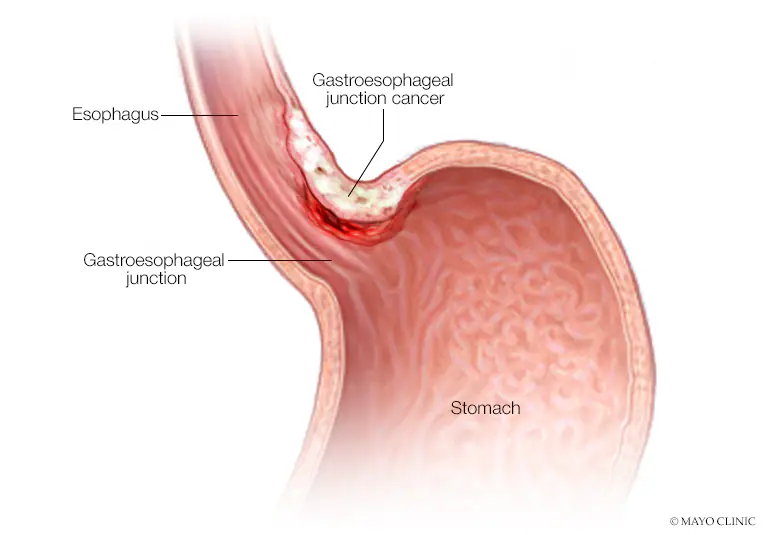
Gastroesophageal Junction (GEJ) cancer is a type of cancer that occurs at the area where the esophagus meets the stomach. This region is also known as the gastroesophageal junction. GEJ cancer is often classified as either a type of esophageal or stomach cancer, depending on its location and behavior.
Most cases are adenocarcinomas, which begin in the glandular cells that line the lower esophagus and upper stomach. GEJ cancer has been increasing in incidence, especially in Western countries.
What Causes Gastroesophageal Junction Cancer?
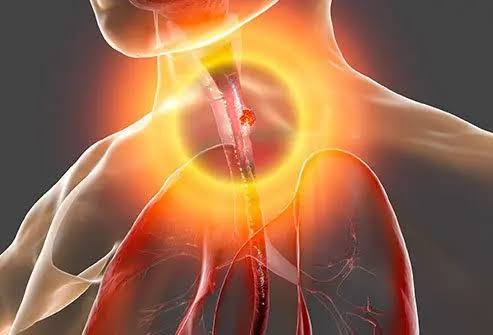
The exact cause of GEJ cancer is not fully known, but several risk factors have been identified:
- Chronic gastroesophageal reflux disease (GERD)
- Barrett’s esophagus, a condition where the esophagus lining changes due to acid reflux
- Obesity, which increases pressure on the stomach and promotes acid reflux
- Smoking
- High-fat, low-fiber diets
- Heavy alcohol consumption
- Helicobacter pylori infection (mainly for cancers closer to the stomach)
What Are the Symptoms of GEJ Cancer?
Early-stage GEJ cancer may not cause noticeable symptoms. As the disease progresses, symptoms may include:
- Difficulty swallowing (dysphagia)
- Unexplained weight loss
- Chest discomfort or pain
- Heartburn or indigestion
- Nausea or vomiting
- Regurgitation of food
- Fatigue
- Bleeding (may present as black stools or vomiting blood)
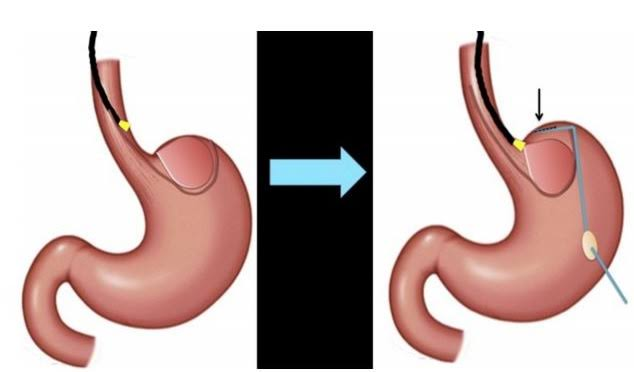
What Are the Complications of Gastroesophageal Junction Cancer?
- Esophageal obstruction, leading to difficulty eating
- Spread to nearby organs or lymph nodes
- Malnutrition and weight loss
- Bleeding from the tumor
- Metastasis to the liver, lungs, or other distant organs
- Poor quality of life due to pain or eating difficulties
How Is Gastroesophageal Junction Cancer Diagnosed?
Diagnosis usually involves a combination of imaging, endoscopy, and biopsy:
- Upper endoscopy (esophagogastroduodenoscopy or EGD) to visually inspect and biopsy the tumor
- Barium swallow X-ray to assess the anatomy of the esophagus and stomach
- CT scan or PET scan to check for tumor spread
- Endoscopic ultrasound (EUS) to evaluate tumor depth and lymph node involvement
- Biopsy confirms the type and grade of cancer cells
How Is GEJ Cancer Treated?
Treatment depends on the stage of the cancer, the location, and the patient’s overall health. Options include:
- Surgery (esophagectomy or gastrectomy)
For localized cancer, removing part of the esophagus and/or stomach may offer a chance for cure. - Chemotherapy
Often used before surgery (neoadjuvant) to shrink the tumor, or after surgery (adjuvant) to reduce recurrence risk. - Radiation therapy
Used with chemotherapy or alone, especially when surgery isn’t an option. - Targeted therapy and immunotherapy
For advanced cases, drugs that target cancer cell pathways or boost the immune system may be used. - Palliative care
Focused on relieving symptoms like pain or swallowing difficulty when cure is not possible.
Can GEJ Cancer Be Prevented?
Complete prevention may not be possible, but you can reduce your risk by:
- Managing chronic acid reflux with medications and lifestyle changes
- Avoiding tobacco and excessive alcohol
- Maintaining a healthy weight
- Eating a balanced diet rich in fruits and vegetables
- Getting regular screenings if you have Barrett’s esophagus or other risk factors
How to Manage Gastroesophageal Junction Cancer for a Better Quality of Life?
- Work closely with your oncology team to understand your treatment plan
- Follow nutritional guidance to maintain strength and weight
- Use medications as prescribed for symptom control
- Seek emotional and psychological support
- Attend regular follow-ups to monitor treatment response and detect recurrence early