What Is IgA Nephropathy?
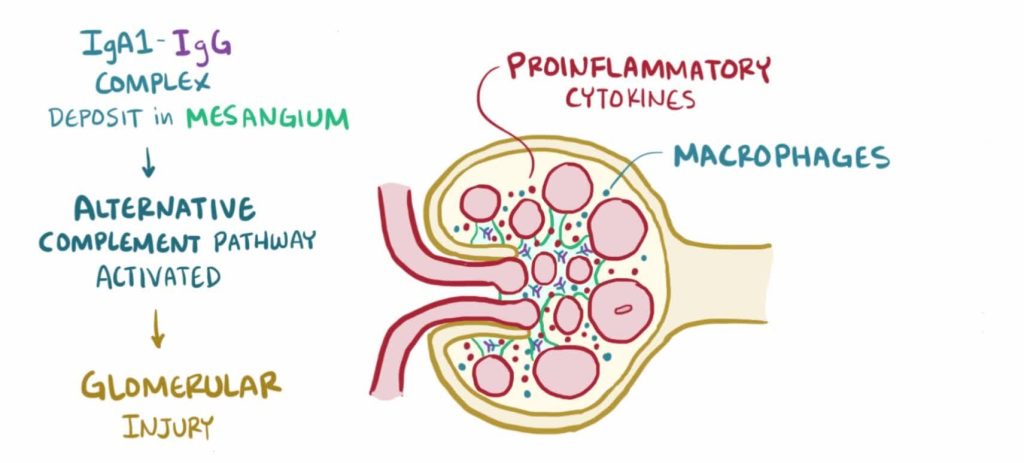
IgA Nephropathy, also called Berger’s disease, is a kidney disorder where a protein called immunoglobulin A (IgA) builds up in the glomeruli—tiny filtering units inside the kidneys. This buildup causes inflammation, which can lead to kidney damage over time.
It is one of the most common forms of glomerulonephritis (inflammation of the kidney’s filtering units) and can range from mild to severe.
What Causes IgA Nephropathy?
The exact cause of IgA Nephropathy is not fully understood, but it appears to involve:
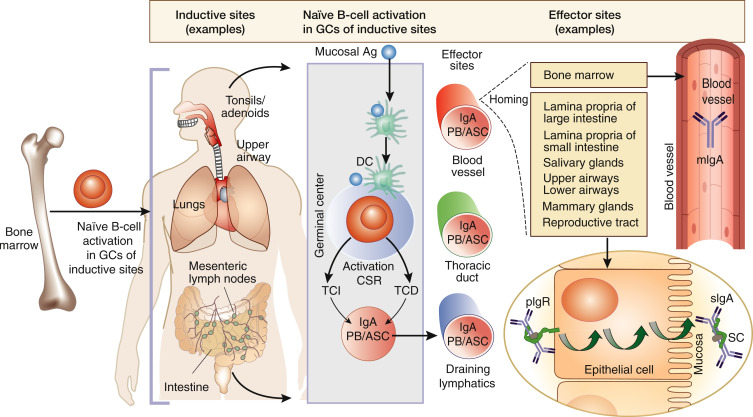
- Immune system dysfunction: The body produces abnormal IgA proteins that get trapped in the kidneys.
- Inflammation and scarring: These deposits cause inflammation, which can damage the glomeruli and reduce kidney function.
Possible triggers or contributing factors may include:
- Genetic predisposition
- Infections, especially of the upper respiratory or digestive tract
- Autoimmune conditions
- Environmental factors or food sensitivities (less proven)
Who Is at Risk for IgA Nephropathy?
Anyone can develop IgA Nephropathy, but it is more common in:
- Males, especially in their teens to 30s
- People of Asian or Caucasian descent
- Those with a family history of kidney disease
- Individuals with chronic infections or autoimmune diseases
What Are the Symptoms of IgA Nephropathy?
IgA Nephropathy may not cause symptoms in the early stages. When symptoms do appear, they may include:
- Blood in the urine (hematuria), often after a cold or sore throat
- Foamy urine (indicating protein in the urine)
- High blood pressure
- Swelling in the hands, feet, or around the eyes (edema)
- Lower back or flank pain
- Frequent urination, especially at night
- Fatigue
In many cases, the disease is discovered incidentally during routine urine tests.
How Is IgA Nephropathy Diagnosed?
Diagnosis typically involves:
- Urinalysis – to detect blood and protein in urine
- Blood tests – to check kidney function (creatinine, GFR)
- Kidney biopsy – the definitive test to confirm IgA deposits
- Imaging tests – like ultrasound, to check kidney size and structure
- Blood pressure monitoring – as high blood pressure is common
Early detection can slow disease progression.
How Is IgA Nephropathy Treated?
There is no cure, but treatment focuses on slowing kidney damage, managing symptoms, and preventing complications.
1. Blood Pressure Control
- ACE inhibitors or ARBs are the cornerstone treatment
- Help protect kidney function and reduce protein in urine
2. Medications to Reduce Immune Response
- Corticosteroids (e.g., prednisone)
- Immunosuppressants in some cases
3. Fish Oil Supplements
- May reduce inflammation in some patients
4. Lifestyle Changes
- Low-salt, kidney-friendly diet
- Regular exercise
- Weight management
- Smoking cessation
- Limit alcohol intake
5. Treatment of High Cholesterol
- Statins may be used if cholesterol is elevated
6. Monitoring and Supportive Care
- Routine checkups to monitor kidney function
- Treatment for complications like anemia or fluid overload
7. Dialysis or Kidney Transplant
- Required in advanced stages if kidneys fail
- Not everyone with IgA nephropathy reaches kidney failure
Can IgA Nephropathy Be Prevented?
There is no known way to prevent the disease entirely, but you can reduce risk or slow its progression by:
- Managing blood pressure and cholesterol
- Controlling infections promptly
- Avoiding NSAIDs and nephrotoxic drugs
- Following a kidney-friendly diet
- Staying hydrated and maintaining a healthy lifestyle
Regular follow-up with a nephrologist is crucial.
What Is the Outlook for People with IgA Nephropathy?
The outlook varies widely:
- Some people have mild disease with little or no progression
- Others may slowly lose kidney function over 10–20 years
- About 20–40% may eventually develop end-stage kidney disease requiring dialysis or transplant
Early diagnosis, regular monitoring, and good control of blood pressure and protein levels are key to better outcomes.
When Should You See a Doctor?
Contact your healthcare provider if you:
- See blood in your urine, even once
- Notice swelling in the hands, feet, or face
- Have unexplained high blood pressure
- Are fatigued or have symptoms of reduced kidney function
- Have a family history of kidney disease and want to be screened