


What Is Intrarenal Artery Stenosis?
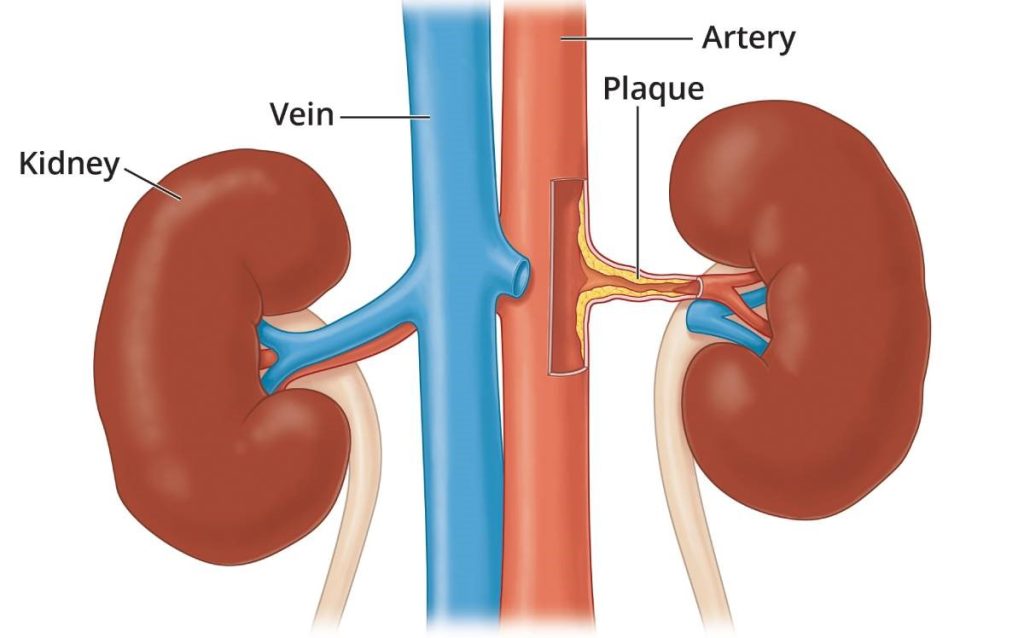
Intrarenal artery stenosis refers to the narrowing of small arteries within the kidney itself. Unlike renal artery stenosis, which affects the main artery leading into the kidney, intrarenal stenosis affects the smaller branches inside the kidney. This narrowing reduces blood flow, which can impair kidney function and contribute to high blood pressure.

What Causes Intrarenal Artery Stenosis?
This condition can result from a variety of underlying issues that damage or clog the small blood vessels within the kidney.
Common causes include:
- Atherosclerosis – buildup of fatty plaques inside the arteries
- Fibromuscular dysplasia – abnormal growth in the arterial wall
- Chronic kidney disease (CKD)
- Diabetes – leading to vascular damage over time
- Hypertension (high blood pressure) – both a cause and a result
- Vasculitis – inflammation of blood vessels
- Thromboembolism – small clots that block intrarenal vessels
What Are the Symptoms of Intrarenal Artery Stenosis?
Many people do not show symptoms until the condition is advanced. Symptoms can overlap with other kidney or cardiovascular issues.
Possible signs include:
- Resistant high blood pressure (not responding well to medication)
- Declining kidney function
- Fatigue
- Swelling in legs or ankles
- Changes in urine output or appearance
- Flank pain (less common)
How Is Intrarenal Artery Stenosis Diagnosed?
Early detection is important to prevent permanent kidney damage.
Diagnostic tools may include:
- Blood tests – to assess kidney function (creatinine, GFR)
- Urine tests – to check for protein or blood
- Doppler ultrasound – to assess blood flow within the kidneys
- CT angiography or MR angiography – provides detailed images of renal blood vessels
- Renal biopsy – in some cases to rule out other conditions
How Is Intrarenal Artery Stenosis Treated?
Treatment depends on the severity of the stenosis and how much kidney function is affected.
Options include:
- Medications to control blood pressure and cholesterol
- ACE inhibitors or ARBs – may help reduce blood pressure and protect kidney function
- Diuretics – to reduce fluid overload
- Antiplatelet therapy – to prevent clot formation
- Lifestyle changes – such as low-sodium diet, regular exercise, and quitting smoking
- Interventional procedures (rarely needed): balloon angioplasty or stenting, but these are more common for larger artery stenosis
What Are the Potential Complications?
If left untreated, intrarenal artery stenosis can lead to:
- Progressive kidney damage or kidney failure
- Uncontrolled high blood pressure
- Cardiovascular problems (heart attack, stroke)
- Need for dialysis or kidney transplant in severe cases
Can Intrarenal Artery Stenosis Be Prevented?
You can lower your risk by keeping your heart and kidneys healthy.
Prevention tips:
- Control blood pressure and blood sugar levels
- Maintain a healthy diet and weight
- Quit smoking
- Limit alcohol
- Have regular checkups, especially if you have diabetes, high cholesterol, or a family history of kidney disease
