


what is Ankylosing Spondylitis?
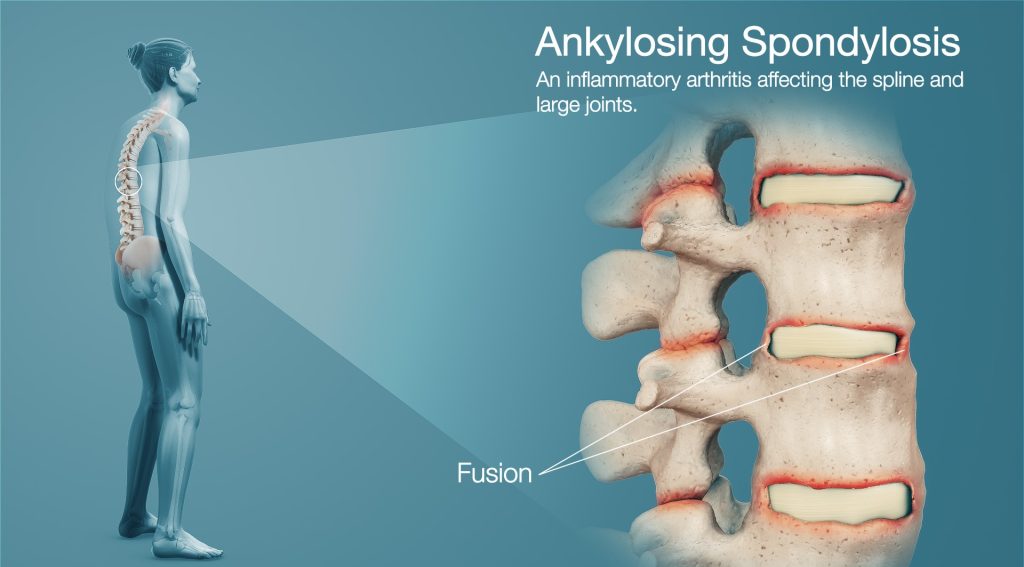
Ankylosing Spondylitis (AS) is a chronic inflammatory disease that primarily affects the spine, sacroiliac joints, and other large joints, causing pain, stiffness, and reduced mobility. Over time, the inflammation can lead to the fusion of spinal vertebrae, resulting in a rigid spine.
If left untreated, AS can lead to severe spinal deformity, difficulty in movement, and complications affecting other organs, including the eyes, heart, and lungs. Early diagnosis and management are crucial to improving quality of life.

What Are the Symptoms of Ankylosing Spondylitis?
The symptoms of AS typically develop gradually and worsen over time.
Common Symptoms:
- Chronic back pain and stiffness: Especially in the lower back and hips, worsening in the morning or after inactivity.
- Pain and inflammation in joints: Hips, shoulders, and knees may also be affected.
- Reduced spinal flexibility: Difficulty bending or twisting due to spinal stiffness.
- Fatigue: Persistent exhaustion due to chronic inflammation.
- Buttock pain: Often alternating between both sides, caused by sacroiliac joint inflammation.
- Pain that improves with movement: Unlike mechanical back pain, AS pain tends to improve with physical activity.
Other Symptoms & Complications:
- Enthesitis: Inflammation where tendons and ligaments attach to bones, commonly affecting the Achilles tendon and plantar fascia.
- Uveitis (Eye Inflammation): Red, painful, and sensitive eyes with blurred vision.
- Breathing difficulties: Caused by reduced chest expansion due to rib cage involvement.
- Postural changes: Stooped posture due to spinal fusion.
- Heart and lung complications: In rare cases, AS may contribute to heart disease or lung fibrosis.
What Causes Ankylosing Spondylitis?
The exact cause of AS is unknown, but it is believed to result from a combination of genetic and immune system factors.
Genetic Factors:
- HLA-B27 Gene: The strongest genetic link to AS. People with this gene have a higher risk of developing the disease, though not everyone with the gene will develop AS.
Immune System Dysfunction:
- The body mistakenly attacks healthy joint tissues, leading to inflammation and pain.
Environmental Factors:
- Infections and gut bacteria may trigger AS in genetically predisposed individuals.
- Chronic stress and poor lifestyle habits may worsen symptoms.
How Is Ankylosing Spondylitis Diagnosed?
Diagnosis is often delayed because early symptoms mimic general back pain. A thorough medical evaluation is necessary.
1. Clinical Assessment:
- A doctor will review symptoms, family history, and progression of pain.
- A physical exam will assess spinal flexibility, posture, and joint tenderness.
2. Imaging Tests:
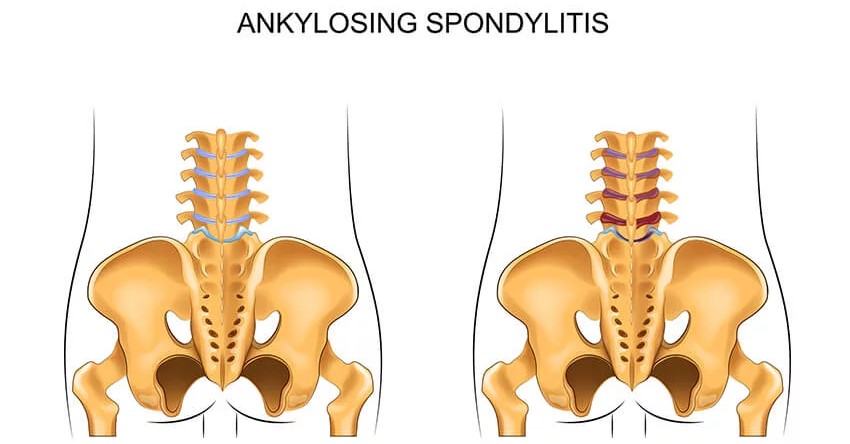
- X-rays – Detect spinal and sacroiliac joint changes (fusion or erosion).
- MRI scans – Identify early inflammation before visible on X-rays.
- CT scans – Provide detailed images of affected bones and joints.
3. Laboratory Tests:
- HLA-B27 genetic test – Determines the presence of the gene associated with AS.
- C-reactive protein (CRP) and Erythrocyte Sedimentation Rate (ESR) – Indicate inflammation levels.
- Rheumatoid factor (RF) and Anti-CCP antibody tests – Help rule out other autoimmune diseases like rheumatoid arthritis.
How Is Ankylosing Spondylitis Treated?
There is no cure for AS, but treatment focuses on reducing pain, improving mobility, and preventing spinal complications.
1. Medications:
- Nonsteroidal Anti-Inflammatory Drugs (NSAIDs): Ibuprofen, naproxen, and celecoxib help reduce pain and stiffness.
- Biologic Drugs (TNF and IL-17 Inhibitors):
- Tumor Necrosis Factor (TNF) inhibitors: Adalimumab, etanercept, infliximab.
- Interleukin-17 (IL-17) inhibitors: Secukinumab, ixekizumab.
- These biologics target immune system pathways to reduce inflammation.
- Corticosteroids: Used short-term for severe flare-ups.
- Disease-Modifying Anti-Rheumatic Drugs (DMARDs): Methotrexate or sulfasalazine may be used for peripheral joint involvement.
2. Physical Therapy & Exercise:
- Stretching & Postural Exercises: Maintain spinal flexibility and posture.
- Aerobic Activities: Swimming and walking improve overall health.
- Core Strengthening: Strengthens back and abdominal muscles for better spinal support.
3. Lifestyle Modifications:
- Quit smoking: Smoking worsens lung and spinal complications.
- Maintain a healthy weight: Reduces strain on joints.
- Apply heat or cold therapy: Relieves pain and stiffness.
- Practice good posture: Prevents spinal deformities.
4. Surgery (In Severe Cases):
- Joint Replacement Surgery: For severely damaged hip or knee joints.
- Corrective Spinal Surgery: If spinal fusion causes severe deformity or breathing restrictions.
How Does Ankylosing Spondylitis Affect the Body and Mind?
Physical Effects:
- Loss of spinal mobility, leading to disability.
- Increased risk of fractures due to spinal fusion.
- Chronic pain and stiffness affecting daily activities.
- Eye inflammation (uveitis), leading to vision problems.
Mental & Emotional Effects:
- Depression and anxiety due to chronic pain and limited mobility.
- Social withdrawal due to disability or lifestyle limitations.
- Fatigue affecting work and personal life.
What Are the Long-Term Effects of Ankylosing Spondylitis?
Without proper treatment, AS can lead to:
- Spinal Fusion: A rigid, curved spine limiting movement.
- Reduced Lung Capacity: Due to rib cage stiffness.
- Heart Disease: Increased risk of cardiovascular complications.
- Chronic Pain & Disability: Severe cases may lead to loss of independence.
How to Manage Ankylosing Spondylitis for a Better Quality of Life?
For Individuals:
- Stick to a regular exercise routine to maintain mobility.
- Take prescribed medications consistently to control inflammation.
- Monitor for eye symptoms (redness, pain, or vision changes).
- Adjust workplace ergonomics to reduce strain on the back.
For Caregivers & Families:
- Encourage physical activity to prevent stiffness.
- Help with daily tasks when pain and stiffness are severe.
- Be patient and supportive of mental and emotional struggles.
For Schools & Workplaces:
- Provide ergonomic seating to reduce back strain.
- Allow flexible work hours for medical appointments.
- Educate peers and colleagues about the condition for better understanding.
