


What Is Kniest Dysplasia?
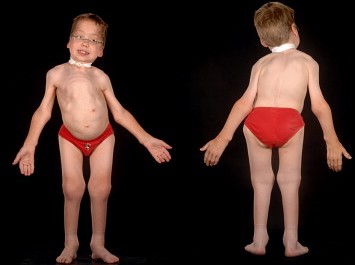
Kniest Dysplasia is a rare genetic disorder that affects the development of bones and connective tissues. It is classified as a type of skeletal dysplasia, which means it primarily affects bone growth. People with this condition usually have short stature, abnormal bone structure, and distinctive facial features. It can also affect vision, hearing, and joint mobility.
The condition is present at birth and varies in severity, but individuals can lead long and meaningful lives with supportive care.
What Causes Kniest Dysplasia?
Kniest Dysplasia is caused by a mutation in the COL2A1 gene, which provides instructions for making type II collagen—a protein essential for the normal development of cartilage and the vitreous of the eye.
This condition is inherited in an autosomal dominant pattern, meaning only one copy of the altered gene is enough to cause the disorder. In many cases, the mutation occurs spontaneously without a family history.
What Are the Symptoms of Kniest Dysplasia?
Signs and symptoms of Kniest Dysplasia often appear at birth or early in infancy and may include:
- Short trunk and limbs, resulting in short stature
- Flattened facial features, including a flat nasal bridge
- Cleft palate
- Large joints with limited range of motion
- Swelling around joints, especially knees
- Enlarged joints (knobby appearance)
- Clubfoot or other foot abnormalities
- Vision problems, including nearsightedness and retinal detachment
- Hearing loss, which may be conductive or sensorineural
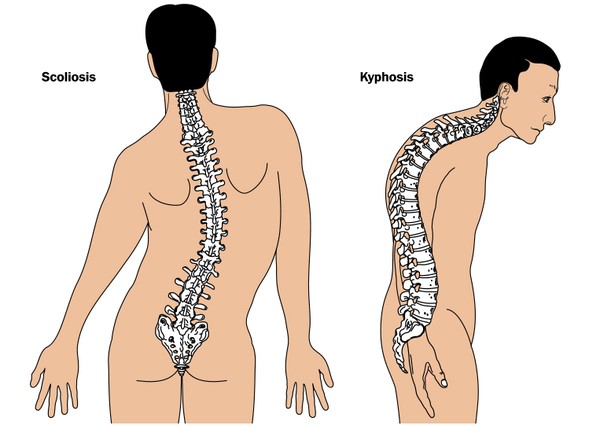
- Spinal abnormalities, such as scoliosis or kyphosis
Despite these physical challenges, intellectual development is usually normal.
How Is Kniest Dysplasia Diagnosed?
Diagnosis is typically made through a combination of:
- Clinical examination noting physical and skeletal features
- X-rays, which show characteristic changes like:
- Flattened vertebrae
- Short, broad bones
- Dumbbell-shaped long bones
- Genetic testing to identify mutations in the COL2A1 gene
- Eye and hearing tests to assess related complications
Prenatal diagnosis is possible in some cases through genetic testing if there’s a known family history.
How Is Kniest Dysplasia Treated?
There is no cure for Kniest Dysplasia, but treatment focuses on managing symptoms and improving quality of life:
- Orthopedic interventions:
- Bracing or surgery for spinal curvature
- Surgery to correct clubfoot or joint deformities
- Physical therapy to improve mobility and muscle strength
- Hearing aids for hearing loss
- Regular eye exams to monitor and treat vision problems
- Speech therapy if a cleft palate is present
- Monitoring growth and development by a multidisciplinary care team
Early intervention is key to helping children reach their developmental potential.
What Is the Prognosis for Someone With Kniest Dysplasia?
The prognosis varies, but many individuals live full and productive lives. With appropriate medical and surgical care, physical therapy, and educational support, most people with Kniest Dysplasia can manage their symptoms effectively.
However, some physical limitations may persist due to joint stiffness and spinal abnormalities.
Can Kniest Dysplasia Be Prevented?
Since it is a genetic disorder, Kniest Dysplasia cannot be prevented. However, genetic counseling is highly recommended for affected individuals or couples with a family history. Prenatal testing may be available if the mutation is known.