


What is Lordosis?
Lordosis is a medical condition characterized by an excessive inward curve of the spine, often referred to as swayback. This condition typically affects the lower back (lumbar spine) but can also involve the neck (cervical spine). A normal spine has a slight curve, but in lordosis, the curve is exaggerated, leading to potential discomfort, pain, and mobility issues. The condition can occur in varying degrees, from mild to severe, and may or may not cause symptoms.
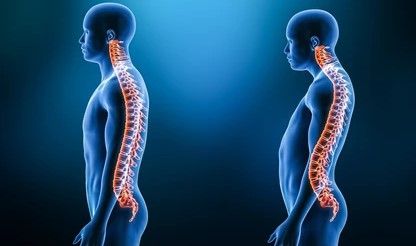
Types of Lordosis
There are two primary types of lordosis:
- Cervical Lordosis: An excessive curve in the neck area.
- Lumbar Lordosis: An exaggerated curve in the lower back, which is the most common form of lordosis.
What Causes Lordosis?
Lordosis can be caused by several factors, ranging from congenital issues to lifestyle choices or underlying medical conditions. Some common causes include:
1. Congenital Conditions
- Some individuals may be born with conditions that affect the shape and alignment of the spine. This can lead to an abnormal curve in the spine, including lordosis.
2. Postural Issues
- Poor posture, such as slouching or prolonged sitting, can lead to the development of lordosis over time. This is often seen in individuals who spend long hours hunched over desks or devices.
3. Obesity
- Excess weight, particularly around the abdomen, can put additional pressure on the lower back, causing an exaggerated curve (lumbar lordosis) as the spine compensates for the added weight.
4. Pregnancy
- During pregnancy, the body’s center of gravity shifts, and additional weight in the abdominal area can lead to temporary lordosis, particularly in the lumbar region.
5. Muscle Imbalance
- Weak abdominal muscles or tight lower back muscles can contribute to the development of lordosis, as the body compensates for the muscle imbalance.
6. Osteoarthritis
- In some cases, conditions like osteoarthritis can affect the joints of the spine, leading to abnormal curvatures such as lordosis.
7. Spinal Injuries or Infections
- Injuries, infections, or diseases affecting the spine, such as tuberculosis or spinal tumors, can lead to deformities, including lordosis.
8. Spondylolisthesis
- This condition occurs when one vertebra slips out of place onto the one below it, often causing an exaggerated curvature of the spine, such as lordosis.
9. Neuromuscular Conditions
- Certain conditions like cerebral palsy or muscular dystrophy can lead to muscle weakness or spasticity, which can result in abnormal spinal curvatures like lordosis.
What Are the Symptoms of Lordosis?
The symptoms of lordosis can vary depending on the severity of the curve. Some people may not experience any symptoms, while others may experience significant discomfort and functional limitations.
Common Symptoms Include:
- Visible curve in the spine, especially in the lower back or neck.
- Pain or tenderness in the lower back, neck, or both.
- Muscle spasms in the affected area.
- Limited range of motion or difficulty bending or straightening the back.
- Numbness or tingling in the legs (if the curve puts pressure on nerves).
- Fatigue from muscle strain due to abnormal posture.
In more severe cases, nerve compression can occur, leading to symptoms like pain, numbness, or weakness in the legs.
How is Lordosis Diagnosed?
The diagnosis of lordosis typically involves a combination of physical examination, medical history review, and imaging tests.
1. Physical Examination
- A doctor will assess your posture and spine alignment by observing how you stand and walk. The curvature of the spine may be visually apparent, especially when the individual is standing up straight.
2. X-rays
- X-rays are commonly used to evaluate the degree of curvature in the spine. This helps to determine the severity of lordosis and guide treatment.
3. MRI or CT Scan
- In cases where there is concern about nerve involvement or damage to the spinal cord, MRI or CT scans may be ordered to get a detailed view of the spine and surrounding structures.
4. Physical Therapy Assessment
- In some cases, a physical therapist may conduct an assessment to determine if muscular imbalances or posture issues are contributing to lordosis.
How is Lordosis Treated?
The treatment for lordosis depends on the severity of the condition and the symptoms experienced. For many individuals, lordosis may not require extensive treatment, while others may require medical intervention.
1. Conservative Treatments
- Physical Therapy: A physical therapist can guide you through exercises designed to improve posture, strengthen muscles, and alleviate pain. Exercises often focus on strengthening the core and lower back muscles, as well as stretching tight muscles.
- Postural Training: Educating individuals on proper posture and body mechanics can help prevent worsening of the condition. In some cases, learning how to sit, stand, and sleep in a position that reduces strain on the back can be beneficial.
- Weight Loss: For individuals with obesity, weight loss can help reduce the pressure on the spine, especially the lower back.
- Pain Management: Nonsteroidal anti-inflammatory drugs (NSAIDs) may be recommended to help manage pain and inflammation associated with lordosis.
- Bracing: In cases where the curve is mild to moderate, a back brace may be recommended to provide support to the spine and reduce strain.
2. Surgical Treatments
- In severe cases, where lordosis is causing significant pain, nerve compression, or mobility issues, surgery may be considered. Surgical options include:
- Spinal Fusion: In this procedure, two or more vertebrae are permanently joined together to prevent further curvature and provide stability to the spine.
- Spinal Osteotomy: This involves removing or repositioning parts of the spine to correct the curvature.
- Vertebroplasty or Kyphoplasty: In cases where compression fractures are contributing to lordosis, these procedures can help restore vertebral height and improve spinal alignment.
3. Lifestyle Modifications
- Individuals with lordosis should adopt lifestyle changes that improve spinal health, including avoiding prolonged sitting, performing low-impact exercises to strengthen the back and core, and using ergonomic furniture or supports at work.
What Are the Risks and Complications of Lordosis?
In most cases, lordosis is not a life-threatening condition. However, if left untreated or if the curvature is severe, it can lead to:
- Chronic pain that affects daily activities.
- Nerve compression resulting in numbness, tingling, or weakness in the legs.
- Difficulty walking or maintaining balance.
- Decreased mobility due to stiffened joints and muscles.
If lordosis is caused by another underlying condition, such as spondylolisthesis or spinal tumors, addressing the primary condition is crucial to managing the curvature.
What is the Prognosis of Lordosis?
The prognosis for individuals with lordosis depends on the severity of the condition and the presence of any underlying causes. In many cases, mild lordosis does not result in significant problems, and conservative treatments like physical therapy can improve symptoms. Severe lordosis, on the other hand, may require surgical intervention, but with proper treatment, most individuals can achieve significant improvement in symptoms and quality of life.
When Should You See a Doctor?
You should consult a healthcare provider if:
- You notice any noticeable curvature in your back or neck.
- You experience persistent pain or discomfort in the affected area.
- You have difficulty moving or bending the back.
- You notice weakness, numbness, or tingling in your limbs.
Early intervention and treatment can help manage symptoms and prevent complications associated with lordosis.
