


What is Hydrops Fetalis?
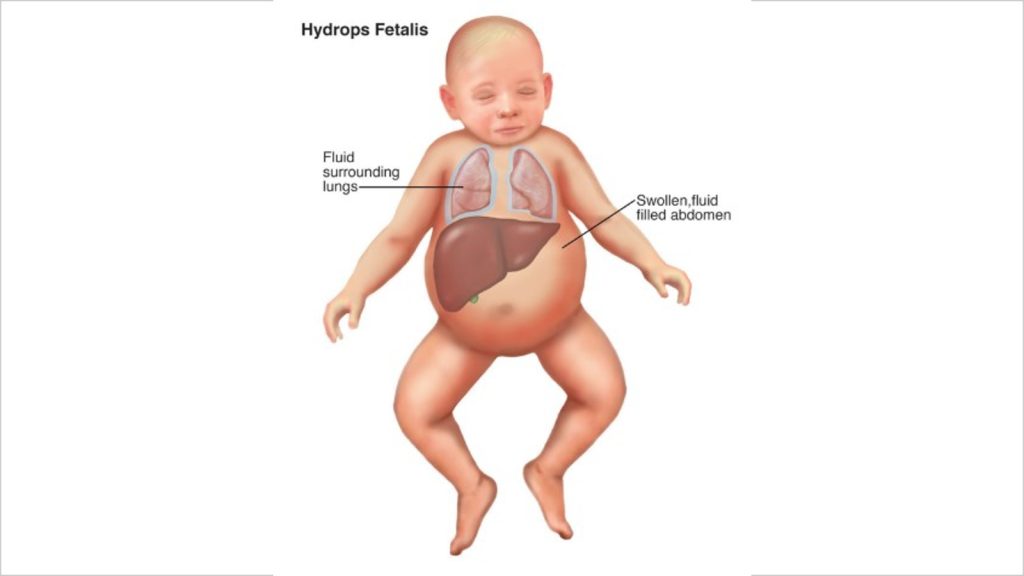
Hydrops fetalis is a serious fetal condition characterized by abnormal accumulation of fluid in at least two areas of the fetus’s body, such as under the skin, around the heart, lungs, or abdomen. It is a life-threatening complication that can occur during pregnancy or shortly after birth.
There are two main types: immune hydrops fetalis and non-immune hydrops fetalis, with the non-immune form being more common today.
What causes Hydrops Fetalis?
The causes differ depending on whether it is immune or non-immune:
Immune Hydrops Fetalis
- Caused by Rh incompatibility between the mother and fetus
- The mother’s immune system attacks the baby’s red blood cells, leading to severe anemia and fluid buildup
Non-Immune Hydrops Fetalis
- Caused by underlying medical conditions or genetic abnormalities, such as:
- Heart defects (most common cause)
- Chromosomal abnormalities (like Turner syndrome or Down syndrome)
- Severe infections (such as parvovirus B19, cytomegalovirus, or syphilis)
- Liver disease
- Twin-to-twin transfusion syndrome
- Tumors or structural abnormalities
Who is at risk?
- Fetuses with heart or lung defects
- Mothers who are Rh-negative and have not received Rh immunoglobulin
- Pregnancies with known genetic conditions
- Multiple pregnancies, especially identical twins sharing a placenta
- Fetuses exposed to certain infections
What are the symptoms of Hydrops Fetalis?
In the fetus or newborn, symptoms may include:
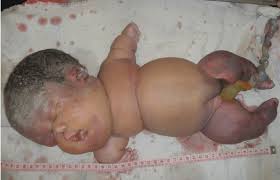
- Severe swelling (edema) in the body
- Enlarged liver and spleen
- Difficulty breathing or respiratory distress
- Pale skin due to anemia
- Fluid around lungs, heart, or abdomen (ascites)
- Enlarged heart (cardiomegaly)
In the mother, symptoms may include:
- Rapid increase in abdominal size due to excess amniotic fluid (polyhydramnios)
- Premature labor
- Preeclampsia-like symptoms
How is Hydrops Fetalis diagnosed?
Diagnosis typically involves:
- Prenatal ultrasound, which may show fluid buildup in multiple fetal compartments
- Fetal echocardiography to evaluate heart function
- Amniocentesis to check for infections or genetic abnormalities
- Blood tests on the mother and fetus to assess Rh status, anemia, or infection
- Doppler ultrasound to check for signs of fetal anemia
How is Hydrops Fetalis treated?
Treatment depends on the underlying cause, timing during pregnancy, and severity:
During pregnancy
- Intrauterine blood transfusion for anemia due to Rh disease or infection
- Medications or antiviral treatment if infection is identified
- Early delivery if the fetus is viable and at high risk
- Serial ultrasounds to monitor fluid levels and fetal health
After birth
- Intensive neonatal care, including breathing support
- Drainage of fluid from body cavities if needed
- Treating underlying causes, such as infection or heart failure
Unfortunately, despite treatment, the prognosis is often poor, especially in severe cases. Early detection improves outcomes.
What are the complications of Hydrops Fetalis?
- Fetal or neonatal death (very high risk if untreated)
- Preterm delivery
- Heart failure in the fetus
- Long-term organ damage
- Complications in the mother, including mirror syndrome (a condition that mimics preeclampsia)
