


What is Langerhans Cell Sarcoma?
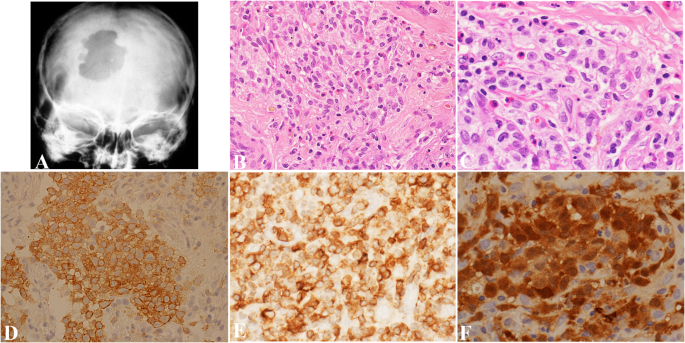
Langerhans cell sarcoma (LCS) is a rare and aggressive type of cancer that arises from Langerhans cells, a subset of immune system cells found in the skin and other tissues. Langerhans cells are part of the body’s defense mechanism, helping to detect and fight infections. In Langerhans cell sarcoma, these cells become malignant and multiply uncontrollably, forming tumors that can spread to other parts of the body.
Langerhans cell sarcoma is considered a form of hematologic malignancy because it originates from immune system cells, but it can also have characteristics similar to other types of sarcoma. This condition can occur at any age but is most commonly seen in adults. It is distinct from Langerhans cell histiocytosis (LCH), a related condition where the Langerhans cells proliferate but do not become cancerous.
Causes of Langerhans Cell Sarcoma?
The exact cause of Langerhans cell sarcoma is not fully understood, but several factors may contribute to its development:
- Genetic Mutations: Like most cancers, Langerhans cell sarcoma is likely driven by mutations in the DNA of Langerhans cells. These mutations can cause cells to grow uncontrollably and evade normal regulatory mechanisms.
- Immunosuppression: Individuals with weakened immune systems, such as those with HIV/AIDS or those who have received organ transplants, may be at higher risk for developing Langerhans cell sarcoma.
- Radiation Exposure: Previous exposure to radiation therapy, particularly for other cancers, may increase the risk of developing secondary cancers, including Langerhans cell sarcoma.
- Chronic Inflammation: Some cases may be linked to chronic inflammatory conditions, where immune cells are persistently activated, increasing the likelihood of genetic mutations and malignant transformations.
Symptoms of Langerhans Cell Sarcoma?
The symptoms of Langerhans cell sarcoma can vary depending on the location and extent of the disease. Common symptoms include:
- Lumps or Masses: The most typical presentation is the appearance of a painless lump or mass, which can occur on the skin or deeper within the body. The mass may be firm and grow over time.
- Pain: If the tumor is located in or near sensitive structures or organs, it may cause pain, discomfort, or swelling.
- Skin Changes: When Langerhans cell sarcoma affects the skin, it may present as ulcers, rashes, or other skin lesions that do not heal.
- Fatigue: As with many cancers, individuals with Langerhans cell sarcoma may experience general fatigue or weakness due to the body’s energy being diverted to fight the cancer.
- Weight Loss: Unexplained weight loss can occur, particularly as the cancer progresses.
- Fever and Night Sweats: In some cases, systemic symptoms such as fever and night sweats may be present, signaling that the cancer has spread to other areas of the body.
- Respiratory Symptoms: If the sarcoma involves the lungs or chest, it may cause difficulty breathing, coughing, or chest pain.
- Organ Dysfunction: In advanced stages, the sarcoma may spread to other organs, leading to dysfunction in those areas, such as the liver, kidneys, or bones.
Diagnosis of Langerhans Cell Sarcoma?
The diagnosis of Langerhans cell sarcoma involves several steps, including medical history, physical examination, imaging studies, and biopsy:
- Medical History and Physical Examination: The healthcare provider will take a detailed history and perform a physical examination to identify any masses, lumps, or signs of infection.
- Imaging: Imaging tests, such as CT scans, MRI, and PET scans, can help determine the size, location, and extent of the tumor and identify any spread of the disease to other parts of the body.
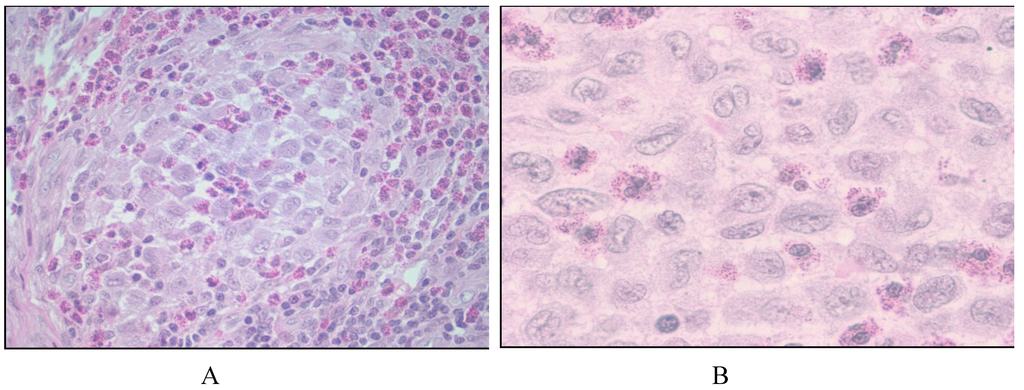
- Biopsy: A biopsy is the definitive method for diagnosing Langerhans cell sarcoma. A sample of the tissue from the suspected tumor is removed and examined under a microscope. Pathologists look for characteristic features of Langerhans cells, such as birbeck granules, which are electron-dense structures that are often found in these cells.
- Immunohistochemistry: Special stains and tests may be performed on the biopsy sample to confirm the presence of Langerhans cells and differentiate Langerhans cell sarcoma from other types of sarcomas and cancers.
Treatment for Langerhans Cell Sarcoma?
Treatment for Langerhans cell sarcoma depends on the size, location, and spread of the tumor. The following treatment options may be considered:
- Surgery: Surgical removal of the tumor is often the first-line treatment, particularly if the sarcoma is localized and can be safely removed. In some cases, nearby lymph nodes may also be removed to prevent spread.
- Chemotherapy: Given the aggressive nature of Langerhans cell sarcoma, chemotherapy is often used to target cancer cells that may have spread beyond the primary tumor site. Drugs like doxorubicin and cyclophosphamide are commonly used for sarcomas.
- Radiation Therapy: Radiation therapy may be used either alone or in combination with surgery and chemotherapy. It can help shrink the tumor, reduce symptoms, and kill cancer cells that may remain after surgery.
- Targeted Therapy: Research into targeted therapies for Langerhans cell sarcoma is ongoing, and some therapies may be used if specific genetic mutations are identified in the tumor cells.
- Stem Cell Transplantation: In cases where the sarcoma is highly resistant to conventional treatments, stem cell transplantation may be considered to help rebuild the immune system after aggressive chemotherapy.
Prognosis of Langerhans Cell Sarcoma?
The prognosis for Langerhans cell sarcoma depends on several factors, including the stage of the cancer at diagnosis, the location of the tumor, the age and overall health of the patient, and the response to treatment:
- Localized Tumors: If the cancer is caught early and the tumor is localized, the prognosis can be better, with a higher likelihood of successful treatment and long-term survival.
- Metastatic Disease: If the cancer has spread to distant organs, the prognosis becomes more guarded, and treatment becomes more challenging. In these cases, treatment focuses on managing symptoms and prolonging life.
- Recurrence: Langerhans cell sarcoma has a high recurrence rate, even after treatment, so regular follow-up care is essential to monitor for any signs of the disease returning.
Complications of Langerhans Cell Sarcoma?
As with any form of cancer, Langerhans cell sarcoma can lead to several complications, including:
- Metastasis: The cancer may spread to other parts of the body, such as the lungs, liver, or bones, complicating treatment and making management more difficult.
- Infection: Cancer treatments, particularly chemotherapy, can weaken the immune system, increasing the risk of infections.
- Organ Dysfunction: As the cancer spreads, it may affect the function of vital organs such as the liver, kidneys, or lungs, potentially leading to organ failure.
- Treatment Side Effects: Chemotherapy and radiation therapy can cause significant side effects, such as nausea, hair loss, fatigue, and potential long-term effects on heart and lung function.
Prevention of Langerhans Cell Sarcoma?
Because the exact cause of Langerhans cell sarcoma is not well understood, there are no known preventive measures. However, reducing risk factors may help lower the likelihood of developing the disease:
- Avoiding Radiation Exposure: Limiting unnecessary exposure to radiation, such as through diagnostic imaging or previous cancer treatments, may reduce the risk of developing secondary cancers.
- Strengthening the Immune System: Maintaining a healthy lifestyle and managing immune system disorders may help lower the risk of cancers related to immune dysfunction.
- Regular Health Checkups: Regular medical checkups, especially for individuals with a history of immunosuppression, can help catch potential problems early.
