


What is a fentanyl overdose?
A fentanyl overdose occurs when someone takes too much fentanyl, a powerful synthetic opioid, leading to life-threatening effects on breathing, consciousness, and heart function. Fentanyl is 50 to 100 times stronger than morphine, and even a tiny amount can be fatal, especially if taken unknowingly or combined with other substances.
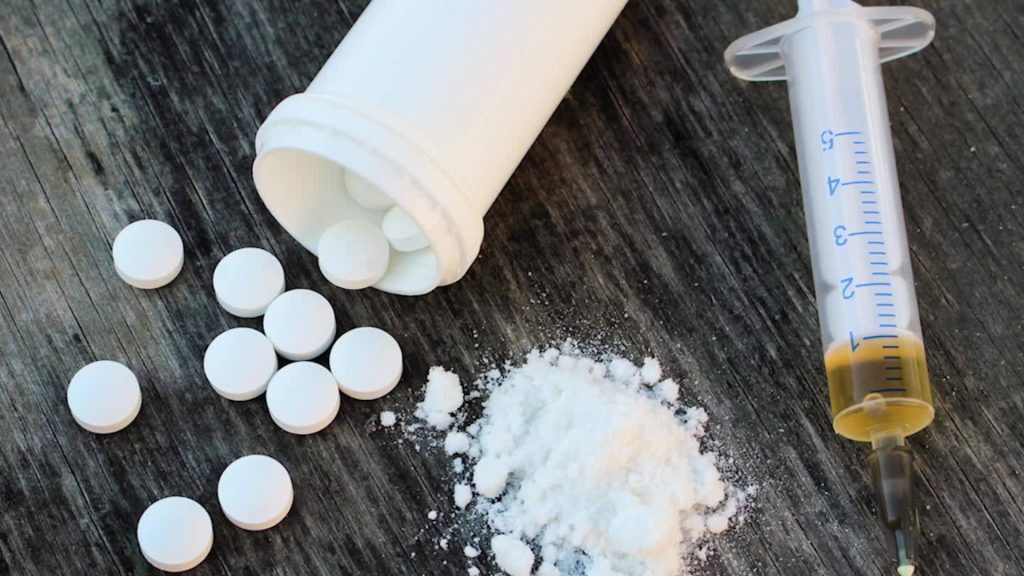
Why is fentanyl so dangerous?
Fentanyl is dangerous because:
- It is extremely potent, meaning a small amount can cause serious effects
- It can slow or stop breathing very quickly
- It is often mixed with other drugs (like heroin, cocaine, or pills) without the user knowing
- It may be illegally manufactured and sold as counterfeit pills or powders
This makes accidental overdose much more common, especially among people who think they are taking something else.
How do people overdose on fentanyl?
Overdoses can happen in several ways:
- Illicit drug use: Fentanyl is often found in street drugs like heroin, meth, or fake prescription pills
- Accidental exposure: Touching or inhaling powdered fentanyl can be dangerous, especially in high quantities
- Prescription misuse: Taking more fentanyl than prescribed or using it in ways not intended (e.g., injecting a patch)
- Mixing with other depressants: Combining fentanyl with alcohol, benzodiazepines, or other opioids increases the risk
What are the symptoms of a fentanyl overdose?
Common signs include:
- Slow, shallow, or stopped breathing
- Extreme drowsiness or unconsciousness
- Limp body
- Pale, blue, or cold skin, lips, or nails
- Choking or gurgling sounds
- Pinpoint pupils (very small)
- Unresponsiveness
An overdose can occur within minutes of taking the drug and requires immediate emergency treatment.
What should you do if someone overdoses on fentanyl?
- Call emergency services (911) immediately
- Administer naloxone (Narcan) if available – this medication can temporarily reverse opioid overdose effects
- Perform rescue breathing or CPR if trained
- Stay with the person until help arrives
Because fentanyl is so strong, multiple doses of naloxone may be needed.
What is naloxone (Narcan), and how does it help?
Naloxone is an emergency medication that reverses the effects of opioids like fentanyl. It works quickly to restore normal breathing and consciousness. It’s available as:
- A nasal spray (easy to use for bystanders)
- An injection (used by medical personnel or trained individuals)
Naloxone is safe, easy to use, and available in many states without a prescription.
Can fentanyl overdose be treated successfully?
Yes—if treated quickly. The key factors are:
- Immediate administration of naloxone
- Rapid medical attention
- Supportive care in a hospital setting (e.g., oxygen, ventilation)
Survival rates improve dramatically when action is taken promptly.

Who is most at risk of fentanyl overdose?
- People using illicit street drugs (especially heroin or fake pills)
- Individuals with opioid use disorder
- People restarting opioids after a period of abstinence (e.g., post-rehab or jail)
- Those mixing opioids with alcohol or sedatives
- Even children or others who accidentally come into contact with fentanyl
How can fentanyl overdose be prevented?
- Avoid illicit drugs—many are laced with fentanyl without users knowing
- Use fentanyl test strips to check for contamination in street drugs
- Never use drugs alone—have someone nearby who can respond
- Carry naloxone, especially if you or someone you know uses opioids
- Seek help for addiction—treatment options like buprenorphine and methadone can reduce overdose risk