What is Limb Length Discrepancy?
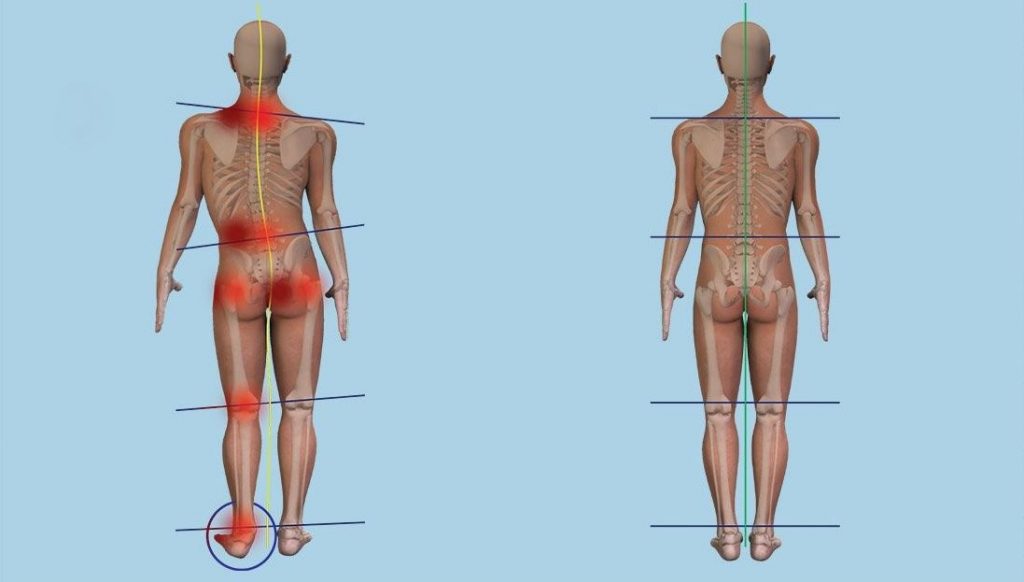
Limb length discrepancy (LLD) refers to a condition where one limb (arm or leg) is longer than the other. It can occur due to various factors, including congenital conditions, trauma, infections, or diseases that affect the growth plates. This condition can result in a noticeable difference in limb lengths, which may lead to functional problems such as difficulty walking, imbalance, or joint pain.
What Are the Causes of Limb Length Discrepancy?
Several factors can cause limb length discrepancy, including:
- Congenital Factors: Some individuals are born with unequal limb lengths due to genetic conditions or developmental issues during fetal growth.
- Trauma or Injury: A fracture or injury that affects the growth plate during childhood can cause the affected bone to stop growing, leading to a discrepancy in limb length.
- Infections: Bone infections (osteomyelitis) or conditions like septic arthritis can affect bone growth and lead to unequal limb lengths.
- Bone Diseases: Conditions such as rickets (a bone-softening disease) or certain metabolic disorders can result in abnormal bone growth and limb length differences.
- Tumors: Bone tumors or cancers that affect the long bones can disrupt growth and cause discrepancies in limb length.
- Neurological Conditions: Certain neurological disorders, such as cerebral palsy, can result in uneven growth of the limbs due to abnormal muscle tone or postural issues.
What Are the Symptoms of Limb Length Discrepancy?
The main symptom of limb length discrepancy is the visible or noticeable difference in the lengths of the limbs. However, additional symptoms may include:
- Limping: A noticeable limp may develop due to uneven leg lengths, as the body compensates for the discrepancy during walking.
- Pain or Discomfort: Unequal limb lengths may lead to joint pain, back pain, or discomfort in the hip, knee, or ankle as the body struggles to adjust.
- Postural Problems: Over time, the discrepancy can affect posture and cause misalignment in the spine, hips, or pelvis, leading to further complications.
- Fatigue or Muscle Strain: The muscles on one side of the body may become strained or fatigued due to the altered walking pattern.
How is Limb Length Discrepancy Diagnosed?
Diagnosis of limb length discrepancy typically involves the following:
- Physical Examination: A healthcare provider will measure both limbs and check for signs of uneven growth or alignment.
- X-rays or Imaging: X-rays or other imaging techniques, such as CT scans or MRI, may be used to measure bone length and evaluate the growth plates to identify the cause of the discrepancy.
- Orthopedic Evaluation: An orthopedic specialist will assess the severity of the limb length discrepancy and evaluate how it impacts joint function and mobility.

What Are the Treatment Options for Limb Length Discrepancy?
Treatment depends on the severity of the discrepancy and the age of the patient. The main options include:
- Observation: In mild cases, especially during childhood, doctors may simply monitor the condition over time to see if the discrepancy resolves as the child grows.
- Shoe Lifts: For minor discrepancies, shoe lifts or insoles can help correct the difference in leg length and improve posture, balance, and walking.
- Orthopedic Bracing: In some cases, braces may be recommended to help correct alignment issues caused by limb length discrepancy.
- Surgical Treatment: In more severe cases, surgery may be necessary:
- Limb Lengthening: This surgical procedure involves cutting the bone and using a device to gradually lengthen the shorter limb over time.
- Limb Shortening: In cases where one limb is significantly longer, a surgical procedure may involve shortening the longer limb to reduce the discrepancy.
- Epiphysiodesis: This is a procedure that can be done in growing children to slow the growth of the longer limb, allowing the shorter limb to catch up in length.
What Are the Possible Complications of Limb Length Discrepancy?
If left untreated or inadequately managed, limb length discrepancy can lead to:
- Chronic Pain: Persistent pain in the joints or muscles due to altered gait or posture.
- Arthritis: Over time, misalignment of joints can lead to early-onset arthritis, especially in the hips, knees, or spine.
- Balance and Coordination Issues: A noticeable discrepancy in leg length can cause problems with balance, which may increase the risk of falls and injuries.
- Psychosocial Impact: Limb length discrepancy, especially if it is visible, can lead to self-esteem or body image issues, particularly in children or adolescents.
How Can Limb Length Discrepancy Be Prevented?
While congenital limb length discrepancies cannot be prevented, there are steps that can be taken to minimize the risk or manage the condition:
- Early Detection: Regular pediatric checkups can help detect any growth discrepancies early, allowing for timely intervention.
- Proper Management of Injuries: Ensuring proper care and treatment of fractures or injuries, particularly in children, can help prevent disruptions to normal bone growth.
- Monitoring for Underlying Conditions: Managing underlying medical conditions, such as infections or diseases affecting bone health, can help prevent or limit the impact on limb growth.
When Should You See a Doctor?
You should see a doctor if:
- Unequal Limb Length: You or your child notice a significant difference in limb lengths.
- Pain or Discomfort: There is pain, discomfort, or difficulty walking associated with the limb length discrepancy.
- Postural Issues: The discrepancy is affecting posture or causing misalignment in the spine or hips.
- Injury or Illness: A history of trauma or illness affecting the bones that could result in abnormal growth or leg length differences.