


What is Low CSF Pressure Headache?
A Low CSF Pressure Headache is a type of headache caused by a decrease in the pressure of cerebrospinal fluid (CSF) around the brain and spinal cord. CSF is a clear liquid that cushions and protects the brain and spinal cord, providing necessary nutrients and removing waste. When there is a decrease in CSF pressure, it can lead to tension, discomfort, and pain, most often felt in the head.
This condition can occur for a variety of reasons, including spinal fluid leaks or after certain medical procedures like lumbar punctures (spinal taps). Low CSF pressure headaches are often characterized by their unique pattern and are typically relieved by lying down, making them distinct from other types of headaches.
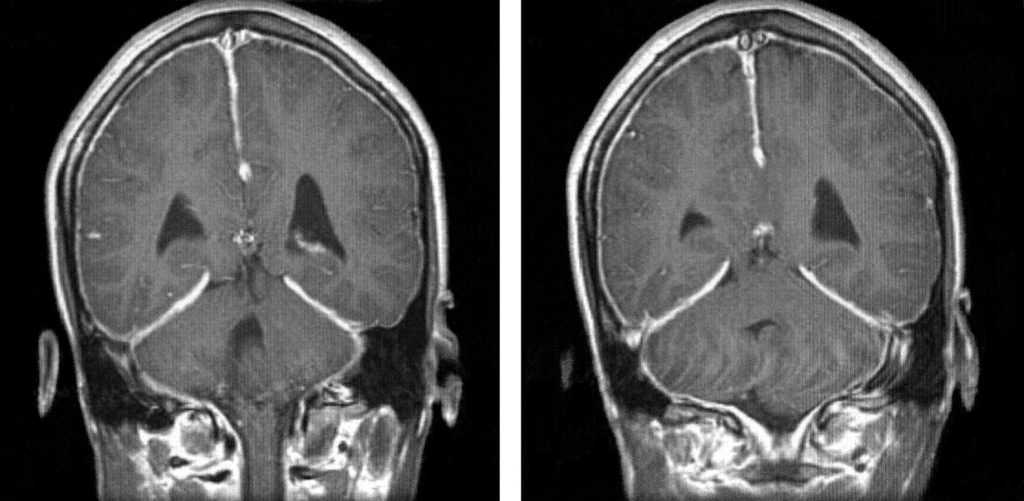
Causes of Low CSF Pressure Headache?
Low CSF pressure can arise from several conditions or events, including:
1. Spinal Fluid Leaks?
One of the most common causes of low CSF pressure headaches is a spinal fluid leak, where cerebrospinal fluid leaks out of the spinal cord or brain. These leaks can happen due to:
- Trauma or injury: An accident or fall can cause a tear in the dura mater (the protective covering of the spinal cord) and result in a CSF leak.
- Post-surgical complications: Certain surgeries, particularly spinal or brain surgeries, can result in accidental damage to the dura, leading to a CSF leak.
- Spontaneous leaks: Some people experience spontaneous leaks without any obvious cause, often involving weakened areas of the dura.
2. Lumbar Puncture (Spinal Tap)?
A lumbar puncture, or spinal tap, is a medical procedure in which a needle is inserted into the lower back to collect CSF for testing or to administer medication. While generally safe, this procedure can sometimes cause a temporary decrease in CSF pressure, leading to a headache. The headache typically begins within 24-48 hours after the procedure.
3. Chiari Malformation?
In rare cases, a Chiari malformation (a structural defect in the brain) can contribute to a decrease in CSF pressure. This condition affects the brainstem and the flow of CSF.
4. Dehydration?
Severe dehydration can cause a reduction in CSF volume and pressure, contributing to headache symptoms. This is typically a secondary cause in individuals who are already at risk for low CSF pressure due to other factors.

5. Overuse of Diuretics?
Medications like diuretics that increase urination can lead to dehydration and reduce CSF volume, leading to lower CSF pressure and headaches.
Symptoms of Low CSF Pressure Headache?
The main symptom of low CSF pressure is a headache, but there are additional signs that can help distinguish this type of headache from others:
- Headache Position?: The headache is typically more intense when standing or sitting and may improve when lying down. This positional nature is a key feature of low CSF pressure headaches.
- Neck Pain or Stiffness?: The headache may be accompanied by neck pain or stiffness due to the changes in CSF pressure.
- Tinnitus?: Ringing in the ears (tinnitus) is a common symptom associated with low CSF pressure.
- Nausea or Vomiting?: As with many types of severe headaches, nausea or vomiting may accompany low CSF pressure headaches.
- Dizziness?: The patient may experience dizziness or a feeling of imbalance, particularly when standing up.
- Visual Disturbances?: Some individuals with low CSF pressure headaches may experience blurry vision or double vision.
- Cognitive Changes?: In some cases, people with low CSF pressure headaches report feeling mentally foggy or experiencing difficulty concentrating.
- Sensitivity to Light and Sound?: Sensitivity to light (photophobia) and sound (phonophobia) may also occur, similar to migraines.
Diagnosis of Low CSF Pressure Headache?
Diagnosing low CSF pressure headaches typically involves the following steps:
- Medical History?: The healthcare provider will ask about symptoms, recent medical procedures (such as lumbar puncture), potential trauma or surgery, and any underlying health conditions.
- Physical Examination?: The doctor will perform a physical exam to assess the nature and pattern of the headache and check for any neurological symptoms.
- Imaging Studies?:
- MRI (Magnetic Resonance Imaging)?: An MRI of the brain and spine may be conducted to identify any structural abnormalities, such as a Chiari malformation or signs of a spinal fluid leak.
- CT Myelogram?: A CT myelogram involves injecting a contrast dye into the spinal fluid and taking CT scans to look for leaks or other issues affecting CSF flow.
- Lumbar Puncture (Spinal Tap)?: If a CSF leak is suspected, a lumbar puncture may be performed to measure the CSF pressure. Low CSF pressure is typically confirmed if the pressure is significantly lower than normal (less than 70 mm H2O).
Treatment of Low CSF Pressure Headache?
The treatment for low CSF pressure headaches depends on the underlying cause and severity of the condition. Common treatment options include:
1. Conservative Treatment?
- Bed Rest?: Resting and lying flat may help to alleviate symptoms. Lying down helps to temporarily increase CSF pressure, reducing the headache.
- Hydration?: Increasing fluid intake, especially with electrolyte solutions, can help maintain blood volume and CSF pressure.
- Caffeine?: Caffeine has vasoconstrictive properties and may help to increase CSF pressure in some people. This can be taken in the form of caffeinated drinks or medications that contain caffeine.
- Pain Relievers?: Over-the-counter pain relievers, such as acetaminophen or ibuprofen, may help reduce headache pain.
2. Epidural Blood Patch?
For more severe cases, a blood patch may be performed. In this procedure, a small amount of the patient’s own blood is injected into the epidural space around the spinal cord. The blood forms a clot that seals the leak and restores normal CSF pressure. This procedure is often highly effective and can provide immediate relief for patients suffering from low CSF pressure headaches.
3. Surgical Intervention?
In some cases, surgery may be required to repair the underlying cause of the CSF leak, such as if there is a tear in the dura mater. Surgery is generally a last resort and is only considered when other treatments have failed or if the leak is difficult to repair with less invasive methods.
4. Treatment of Underlying Conditions?
If the low CSF pressure headache is caused by an underlying condition (such as Chiari malformation or infection), treatment of the primary issue may be necessary. This could include medications, physical therapy, or surgical interventions.
Prevention of Low CSF Pressure Headache?
While it may not always be possible to prevent low CSF pressure headaches, there are a few measures that may help reduce the risk:
- Post-Lumbar Puncture Care?: If you’ve had a lumbar puncture, staying hydrated and avoiding sudden head movements may help minimize the risk of developing a low CSF pressure headache.
- Careful Handling During Surgery?: In cases where surgery on the spine or brain is required, the surgical team will take extra precautions to prevent accidental damage to the dura.
- Treatment of Pre-existing Conditions?: Properly managing conditions that may predispose individuals to low CSF pressure, such as dehydration or conditions that increase the risk of spinal fluid leaks, can help reduce the likelihood of developing this type of headache.
When to See a Doctor?
Seek medical attention if you experience:
- A severe headache that worsens when standing up and improves when lying down.
- Neck stiffness, dizziness, or nausea associated with the headache.
- Recent procedures like lumbar puncture or spinal surgery, followed by the onset of a headache.
If a low CSF pressure headache is suspected, it is important to consult a healthcare provider for diagnosis and appropriate treatment. Early intervention can help alleviate symptoms and prevent complications.
