


What is Lactobezoar?
Lactobezoar is a rare condition in which a mass of undigested milk curd (lactose or milk proteins) forms in the stomach or intestines, often in infants or young children. These masses, also called milk bezoars, are typically caused by incomplete digestion or slow gastric emptying. The condition is most commonly seen in newborns or infants who are exclusively breastfed or bottle-fed, but it can occur in older children as well.
The buildup of milk curds in the gastrointestinal tract can lead to discomfort, digestive problems, and in some cases, more serious complications like bowel obstruction or failure to thrive. Lactobezoars are generally treatable with appropriate medical intervention, but they may require a change in feeding practices, medications, or sometimes surgery if they cause significant problems.
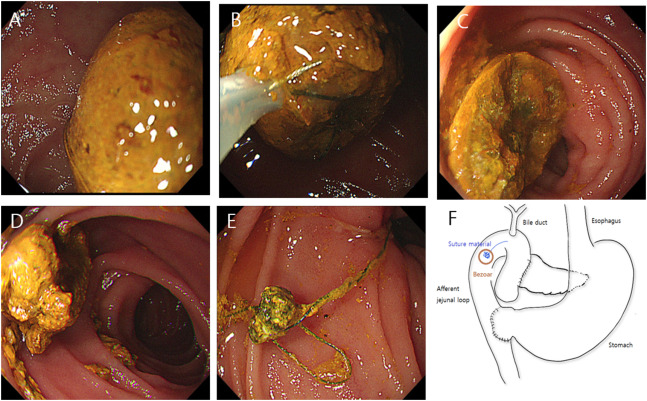
Causes of Lactobezoar?
Lactobezoars occur when milk, particularly milk proteins or lactose, does not fully break down in the stomach or intestines. Several factors can contribute to this condition:
- Slow Gastric Emptying: If the stomach empties too slowly, undigested milk can clump together and form a bezoar. This can happen in infants with underdeveloped digestive systems or those with gastrointestinal motility disorders.
- Improper Feeding: Overfeeding, or feeding too much milk in a short period, can overwhelm the digestive system, leading to incomplete digestion and the formation of lactobezoars.
- Lack of Adequate Digestion: If the infant’s digestive enzymes (such as lipase or amylase) are insufficient, milk may not break down properly, resulting in a mass of curds.
- Gastroesophageal Reflux Disease (GERD): Babies with GERD or other gastrointestinal conditions may experience delayed stomach emptying, leading to undigested milk forming bezoars.
- Prematurity: Premature infants often have immature digestive systems that can contribute to slow gastric emptying and the formation of lactobezoars.
Symptoms of Lactobezoar?
The symptoms of lactobezoar can vary depending on the size of the bezoar and the location of the mass, but common signs include:
- Abdominal Distention: A swollen or bloated abdomen due to the buildup of undigested milk in the stomach.
- Pain and Discomfort: The child may show signs of stomach pain or discomfort, such as crying, irritability, or drawing their legs to their chest.
- Poor Feeding or Refusal to Feed: Infants with lactobezoar may have difficulty feeding or may refuse to feed altogether due to abdominal discomfort or nausea.
- Vomiting: In severe cases, vomiting may occur, often after feedings, as the body tries to expel the undigested milk.
- Failure to Thrive: If the condition is chronic and not addressed, an infant may fail to gain weight appropriately and may show signs of malnutrition.
- Gastrointestinal Distress: This can include signs of constipation, diarrhea, or an overall lack of appetite.
Diagnosis of Lactobezoar?
Diagnosing lactobezoar typically involves a combination of clinical evaluation, imaging, and sometimes endoscopy:
- Physical Examination: The healthcare provider may palpate the abdomen to assess for distention or tenderness, which can indicate the presence of a bezoar.
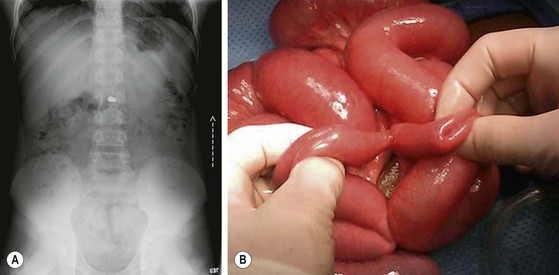
- Imaging Studies: Abdominal ultrasound or X-rays may be used to detect the presence of a mass in the stomach or intestines. In some cases, contrast studies may help visualize the bezoar.
- Endoscopy: In rare cases, a gastroscopy or endoscopic procedure may be performed to visualize the bezoar directly inside the stomach and intestines.
- Stool Tests: Although not common, stool tests may help rule out infections or other causes of gastrointestinal distress.
Treatment for Lactobezoar?
Treatment for lactobezoar depends on the size and location of the bezoar, as well as the severity of symptoms:
- Conservative Management: In many cases, small lactobezoars can be managed conservatively. This may involve changes in feeding practices, such as reducing the volume of milk fed at each feeding and ensuring the infant is feeding slowly and adequately.
- Hydration and Electrolyte Balance: If the infant is experiencing vomiting or dehydration, intravenous fluids or electrolyte solutions may be administered to correct fluid imbalances.
- Medications: Enzyme supplements or medications that help improve gastric emptying, such as prokinetic drugs, may be prescribed to aid digestion and prevent further bezoar formation.
- Nasogastric Tube (NG Tube): In more severe cases, a nasogastric tube may be used to remove the bezoar and help with feeding.
- Surgical Intervention: In rare cases, if the bezoar is large or causing a bowel obstruction, surgery may be necessary to remove the bezoar.
- Feeding Adjustments: Switching to a different feeding regimen, such as smaller, more frequent feedings or a different formula, may help prevent the recurrence of lactobezoars.
Complications of Lactobezoar?
While lactobezoars are typically treatable, complications can occur if the condition is not addressed:
- Bowel Obstruction: Large lactobezoars can cause a blockage in the intestines, leading to severe pain, vomiting, and possible damage to the intestines.
- Failure to Thrive: Chronic lactobezoars can interfere with proper feeding and nutrition, potentially leading to growth failure or malnutrition in infants.
- Gastrointestinal Distress: Persistent vomiting, pain, and bloating can lead to dehydration, electrolyte imbalances, and further digestive issues.
Prevention of Lactobezoar?
Lactobezoars can often be prevented with the following practices:
- Proper Feeding Techniques: Ensure that infants are fed slowly and at appropriate intervals. Overfeeding should be avoided to prevent overwhelming the digestive system.
- Monitor Feeding Volume: For bottle-fed infants, monitor the amount of milk consumed during each feeding to ensure the infant isn’t overfed.
- Appropriate Formula Choices: If using formula, choose one that is easily digestible and appropriate for the infant’s age or specific needs.
- Breastfeeding Support: If breastfeeding, mothers should seek guidance from lactation consultants to ensure the baby is feeding effectively and efficiently.