


What is Anemia of Fanconi?
Anemia of Fanconi, also known as Fanconi Anemia (FA), is a rare genetic disorder that affects the bone marrow, leading to reduced production of blood cells. It is an inherited condition that causes aplastic anemia, meaning the bone marrow fails to produce enough red blood cells, white blood cells, and platelets. This can lead to fatigue, increased risk of infections, and excessive bleeding. FA can also cause congenital abnormalities and increase the risk of certain cancers.
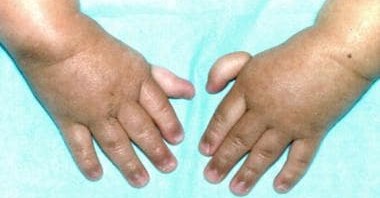
What Are the Symptoms of Fanconi Anemia?
Symptoms of Fanconi Anemia can vary but often become noticeable in childhood.
1. Blood-Related Symptoms?
- Fatigue and weakness? (Due to low red blood cells)
- Frequent infections? (Due to low white blood cells)
- Easy bruising and prolonged bleeding? (Due to low platelets)
- Pale skin (pallor)?
2. Physical Abnormalities?
- Short stature?
- Skeletal abnormalities? (Especially in the thumbs or forearms)
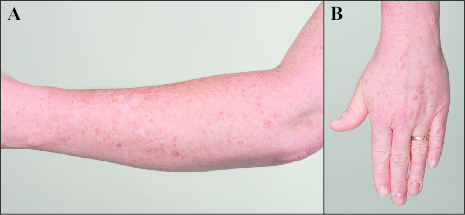
- Skin discoloration? (Café-au-lait spots)
- Kidney and urinary tract abnormalities?
- Small or misshapen ears?
3. Developmental and Organ Issues?
- Delayed growth and development?
- Congenital heart defects?
- Gastrointestinal problems?
4. Increased Cancer Risk?
- Higher risk of leukemia (acute myeloid leukemia – AML)?
- Greater risk of solid tumors (e.g., head, neck, and gynecologic cancers)?

What Causes Fanconi Anemia?
Fanconi Anemia is caused by mutations in specific genes that affect DNA repair. These mutations make cells more vulnerable to damage, leading to bone marrow failure and increased cancer risk.
1. Genetic Causes?
- Inherited disorder – FA is passed down in an autosomal recessive manner, meaning a child must inherit faulty genes from both parents.
- Defects in FA genes (such as FANCA, FANCC, FANCG)? – These genes are responsible for DNA repair and blood cell production.
2. Bone Marrow Failure?
- The bone marrow stops producing enough blood cells, leading to anemia, low immunity, and bleeding issues.
3. DNA Repair Deficiency?
- Cells in people with FA cannot properly repair damaged DNA, leading to genetic instability and increased cancer risk.
How is Fanconi Anemia Diagnosed?
Fanconi Anemia is typically diagnosed in childhood or early adolescence through specialized tests.
1. Blood Tests?
- Complete Blood Count (CBC)? – Checks for low red blood cells, white blood cells, and platelets.
- Bone Marrow Biopsy? – Examines bone marrow function and identifies bone marrow failure.
2. Genetic Testing?
- Detects mutations in FA-related genes.
- Helps confirm the diagnosis in individuals with suspected FA.
3. Chromosome Breakage Test?
- Examines how DNA responds to stress and damage.
- A key diagnostic test for FA.
4. Physical Examination?
- Doctors check for congenital abnormalities (e.g., skeletal defects, small stature).
How is Fanconi Anemia Treated?
There is no permanent cure for FA, but treatment can help manage symptoms and improve quality of life.
1. Blood Transfusions?
- Used to treat severe anemia by increasing red blood cells.
- Platelet transfusions help control bleeding.
2. Bone Marrow (Stem Cell) Transplant?
- The only potential cure for FA.
- Replaces faulty bone marrow with healthy donor stem cells.
- Best results occur when a match is found among family members.
3. Growth Factors and Medications?
- Androgens? – Hormones that may stimulate red blood cell production.
- Hematopoietic growth factors? – Help boost blood cell production.
4. Cancer Screening and Prevention?
- Regular monitoring for leukemia and solid tumors.
- Avoiding environmental carcinogens (e.g., smoking, radiation).
5. Gene Therapy (Experimental)?
- Researchers are developing treatments to correct genetic defects in FA patients.
Can Fanconi Anemia Cause Complications?
If left untreated, FA can lead to serious health complications, including:
- Severe bone marrow failure? – Life-threatening anemia, infections, and bleeding.
- Increased leukemia risk? – High chance of developing acute myeloid leukemia (AML).
- Organ damage? – Due to malformations and bone marrow issues.
How to Manage Fanconi Anemia for Better Quality of Life?
- Frequent blood tests and cancer screenings.
- Maintaining a healthy diet and lifestyle.
- Avoiding radiation and chemicals that can damage DNA.
- Early consideration of bone marrow transplantation.