What is Thymic Carcinoma?
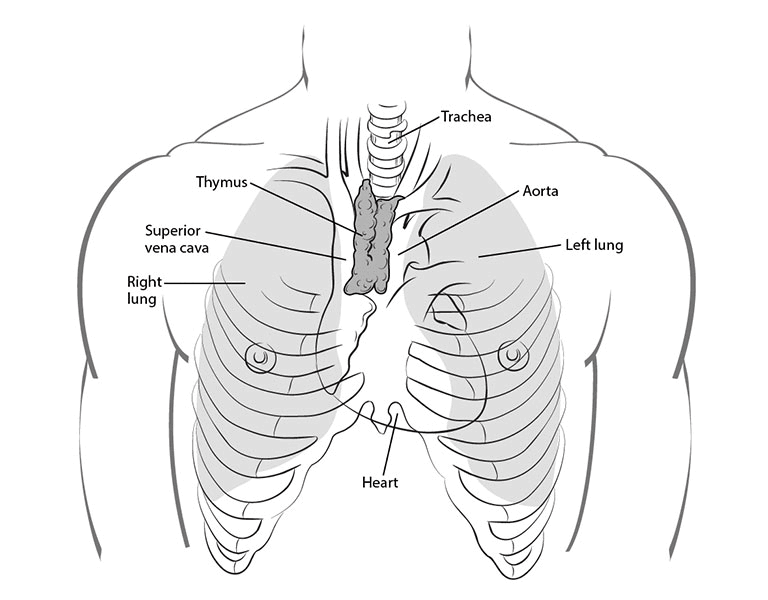
Thymic carcinoma is a rare and aggressive cancer that starts in the thymus gland, which is located in the upper part of the chest behind the breastbone. The thymus gland plays a role in the immune system by helping develop white blood cells called T-lymphocytes.
Thymic carcinoma is different from thymoma, another type of thymus tumor, because it tends to grow faster and spread more aggressively.
What Are the Symptoms of Thymic Carcinoma?
Symptoms often appear when the tumor grows large enough to press on nearby structures. Early stages may have no symptoms.
Common Symptoms:
- Chest pain or discomfort
- Persistent cough
- Shortness of breath
- Difficulty swallowing
- Hoarseness
- Swelling of the face or neck (due to vein compression)
- Unexplained weight loss or fatigue
What Causes Thymic Carcinoma?
The exact cause is unknown. It involves abnormal growth of cells in the thymus gland.
Risk Factors:
- Older age (usually affects adults)
- History of autoimmune diseases
- Genetic factors may play a role but are not well understood
How is Thymic Carcinoma Diagnosed?
Diagnosis usually involves several steps to confirm the tumor and its extent.
Common Diagnostic Tests:
- Chest X-ray to detect abnormal masses
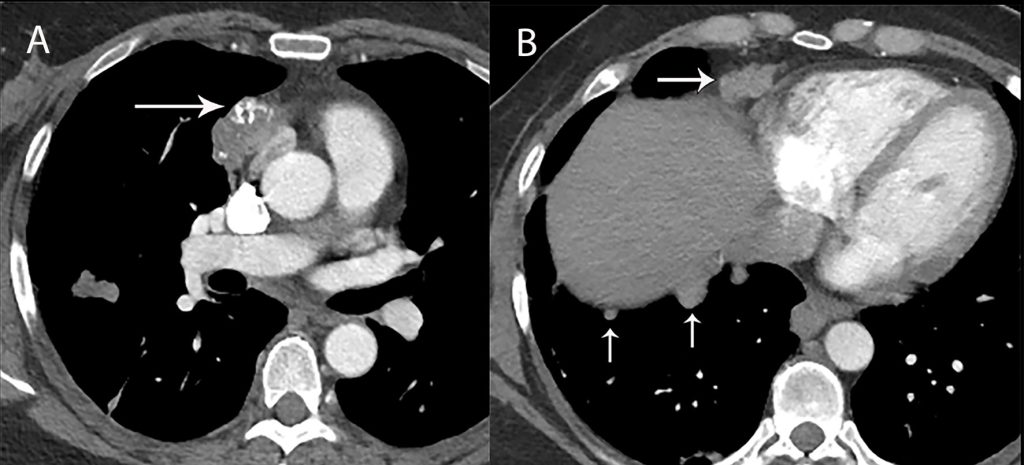
- CT scan or MRI for detailed imaging of the tumor and surrounding tissues
- Biopsy to obtain a tissue sample for microscopic examination
- Blood tests to check for associated conditions
- PET scan to detect spread (metastasis)
How is Thymic Carcinoma Treated?
Treatment depends on the size, location, and stage of the cancer.
Treatment Options:
- Surgery to remove the tumor when possible
- Radiation therapy to kill cancer cells and reduce tumor size
- Chemotherapy for advanced or metastatic cases
- Targeted therapy or immunotherapy in some cases
Early treatment improves chances of better outcomes.
Complications of Thymic Carcinoma
If untreated or advanced, thymic carcinoma can cause:
- Spread to lungs, lymph nodes, or other organs
- Breathing difficulties due to tumor pressure
- Recurrence after treatment
- Autoimmune symptoms related to thymus dysfunction
Living with Thymic Carcinoma
Managing thymic carcinoma involves regular medical care and support.
Tips for Living Well:
- Follow treatment plans and attend follow-up appointments
- Report new symptoms promptly
- Maintain a healthy lifestyle with good nutrition and rest
- Seek emotional support from healthcare professionals, family, or support groups