


What is Juvenile-Onset Crohn’s Disease?
Juvenile-Onset Crohn’s Disease is a chronic inflammatory bowel disease (IBD) that begins in childhood or adolescence, typically before the age of 20. It causes inflammation of the gastrointestinal (GI) tract, which can affect any part from the mouth to the anus but most commonly affects the small intestine and the beginning of the colon.
This condition is part of a group of diseases known as IBD, and it often requires long-term medical management.

What causes it?
The exact cause is unknown, but several factors are believed to contribute:
Genetics – A family history of IBD increases risk.
Immune system dysfunction – The immune system mistakenly attacks healthy tissue in the digestive tract.
Environmental factors – Diet, infections, and lifestyle may play a role.
Juvenile-onset forms tend to be more severe and more extensive than those starting in adulthood.
What are the symptoms?
Symptoms can vary depending on the part of the digestive tract affected but may include:
- Chronic abdominal pain or cramping
- Persistent diarrhea (sometimes with blood)
- Fatigue and weakness
- Unexplained weight loss
- Delayed growth or puberty
- Fever
- Joint pain or skin rashes
Flare-ups (when symptoms worsen) can be followed by periods of remission (when symptoms improve or disappear).
How is it diagnosed?
Diagnosis involves a combination of medical history, physical exams, and tests:
- Blood tests to check for anemia or signs of inflammation
- Stool tests to rule out infections
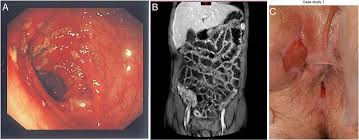
- Colonoscopy and endoscopy to view the digestive tract and collect biopsies
- Imaging tests such as MRI or CT scans to assess bowel damage
Early diagnosis is crucial to prevent complications and support healthy development.
How is it treated?
There is no cure, but treatment focuses on reducing inflammation, relieving symptoms, and promoting growth and development:
- Anti-inflammatory medications such as corticosteroids or aminosalicylates
- Immune system suppressors to reduce immune overactivity
- Biologic therapies that target specific proteins involved in inflammation
- Nutritional therapy using special diets or supplements to support growth
- Surgery in severe cases to remove damaged portions of the intestine
Ongoing care with a pediatric gastroenterologist is essential for managing flare-ups and maintaining remission.
What is the prognosis?
With proper treatment and regular follow-up, many children with Crohn’s disease can lead active, healthy lives. However, it is a lifelong condition that requires ongoing monitoring. Early and effective treatment can help prevent complications like malnutrition, intestinal strictures, or growth delays.
When should I see a doctor?
Seek medical advice if a child or teen has:
- Ongoing diarrhea
- Stomach pain that won’t go away
- Unexplained weight loss or poor growth
- Frequent fatigue
- Delayed puberty
Early diagnosis and treatment can help manage symptoms and support overall well-being.
