What is Lipase Deficiency?
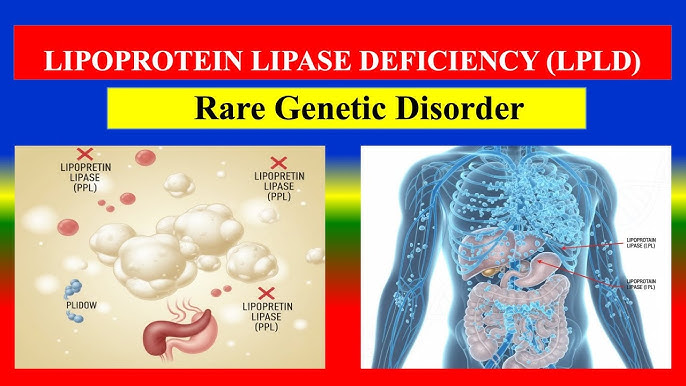
Lipase deficiency is a rare condition that occurs when the body is unable to produce enough lipase, an enzyme essential for breaking down fats in the digestive system. Lipase is primarily produced by the pancreas and plays a crucial role in the digestion and absorption of dietary fats. Without sufficient lipase, the body has difficulty processing fats, which can lead to various digestive issues and malabsorption of fat-soluble vitamins.
Lipase deficiency can be genetic or acquired and may vary in severity depending on the underlying cause. While it is often linked to other medical conditions, it can also occur as a primary disorder.
Causes of Lipase Deficiency?
Lipase deficiency can be caused by several factors, including:
- Genetic Factors: In some cases, lipase deficiency is inherited in an autosomal recessive manner, meaning that both parents must pass on the mutated gene for a child to develop the condition.
- Pancreatic Insufficiency: The most common cause of lipase deficiency is pancreatic insufficiency, where the pancreas fails to produce adequate amounts of digestive enzymes, including lipase. This condition can result from diseases such as chronic pancreatitis, cystic fibrosis, or pancreatic cancer.
- Acquired Conditions: Other conditions, such as gallstones or gastrointestinal surgery, may interfere with normal lipase production or function, leading to enzyme deficiencies.
- Infections and Inflammation: Infections or inflammation of the pancreas (e.g., pancreatitis) can temporarily reduce lipase production, leading to deficiency.
- Medications: Some medications, especially those used to treat digestive disorders, can interfere with lipase production or activity, contributing to a deficiency.
Symptoms of Lipase Deficiency?
Lipase deficiency can lead to a variety of symptoms, most of which are related to the inability to properly digest and absorb fats:
- Fatty Stools (Steatorrhea): One of the hallmark symptoms of lipase deficiency is the presence of fatty stools that are large, pale, and foul-smelling. These stools often float in the toilet due to the undigested fat content.
- Diarrhea: Chronic or recurrent diarrhea is common, as the body cannot absorb enough nutrients from the undigested fats.
- Abdominal Pain: Individuals with lipase deficiency may experience abdominal discomfort or pain, often due to the accumulation of undigested food in the intestines.
- Weight Loss: Difficulty absorbing fats and other nutrients can lead to weight loss, even with a normal or increased appetite. This is especially common in children with lipase deficiency.
- Fat-Soluble Vitamin Deficiency: Since lipase is necessary for the absorption of fat-soluble vitamins (A, D, E, and K), individuals with lipase deficiency may experience vitamin deficiencies, leading to symptoms like night blindness (vitamin A deficiency), bone pain (vitamin D deficiency), or bleeding disorders (vitamin K deficiency).
- Malnutrition: Due to the malabsorption of essential nutrients, lipase deficiency can result in malnutrition, which may affect growth and development in children.
- Bloating and Gas: The improper digestion of fats can lead to bloating, excess gas, and a feeling of fullness after eating.
Diagnosis of Lipase Deficiency?
Diagnosing lipase deficiency involves a combination of clinical evaluation and laboratory tests:
- Medical History and Symptoms: A healthcare provider will assess the patient’s symptoms, including any signs of malabsorption, digestive issues, or vitamin deficiencies.
- Stool Tests: A stool test may be performed to detect the presence of undigested fat (steatorrhea). This can provide evidence of a lipase deficiency.
- Blood Tests: Blood tests can be used to check for signs of fat-soluble vitamin deficiencies, as well as to evaluate overall nutritional status.
- Imaging Studies: In some cases, imaging studies such as ultrasound or CT scans may be used to evaluate the pancreas and identify any underlying issues like pancreatitis, pancreatic tumors, or gallstones.
- Pancreatic Function Tests: Specialized tests, such as the secretin stimulation test or the fecal elastase test, can measure pancreatic enzyme production and help confirm pancreatic insufficiency.
Treatment for Lipase Deficiency?
Treatment for lipase deficiency aims to manage symptoms, improve fat digestion, and prevent complications. The approach includes:
- Pancreatic Enzyme Replacement Therapy (PERT): The primary treatment for lipase deficiency is the use of pancreatic enzyme replacement therapy (PERT). This involves taking oral supplements containing lipase and other digestive enzymes with meals to help break down fats and improve nutrient absorption. PERT is typically a lifelong treatment for individuals with pancreatic insufficiency.
- Dietary Modifications: A high-protein, low-fat diet may be recommended to reduce the amount of fat that needs to be digested. This can help alleviate symptoms like diarrhea and abdominal pain. A registered dietitian may help create a personalized diet plan that ensures proper nutrition while minimizing digestive strain.
- Vitamin Supplementation: Since lipase deficiency can lead to malabsorption of fat-soluble vitamins, individuals may require vitamin supplements, particularly vitamin A, vitamin D, vitamin E, and vitamin K, to prevent deficiencies and associated complications.
- Treatment of Underlying Conditions: If lipase deficiency is secondary to another condition, such as chronic pancreatitis or cystic fibrosis, managing the underlying condition is essential to improving lipase production and overall digestive health. In some cases, medical or surgical treatments may be necessary to address the primary cause.
- Monitoring and Supportive Care: Regular follow-up with a healthcare provider is important to monitor for nutritional deficiencies, growth, and overall health. Ongoing medical support may be needed to adjust treatments and ensure adequate nutrition.
Prognosis of Lipase Deficiency?
The prognosis for individuals with lipase deficiency depends largely on the underlying cause and the severity of the symptoms:
- With Proper Treatment: For most individuals, especially those with pancreatic insufficiency, enzyme replacement therapy, dietary modifications, and vitamin supplementation can help manage symptoms and improve quality of life. Most individuals can lead normal or near-normal lives with proper care.
- Complications: If left untreated, lipase deficiency can lead to severe malnutrition, growth problems in children, and complications related to fat-soluble vitamin deficiencies. In individuals with underlying conditions like cystic fibrosis or chronic pancreatitis, the prognosis may be influenced by the severity of those conditions.
Prevention of Lipase Deficiency?
Since lipase deficiency is often related to genetic or acquired conditions, prevention is not always possible. However, early diagnosis and treatment can help manage the condition and prevent complications. In individuals with genetic causes, such as cystic fibrosis, early intervention with enzyme replacement therapy can reduce the risk of severe digestive issues and nutrient deficiencies.
For those with acquired lipase deficiency, managing underlying conditions (e.g., treating pancreatitis, controlling gallstones, or avoiding medications that affect lipase production) may help prevent the development of the deficiency.