What is Neck Pain?
Neck pain refers to discomfort or pain in the area around the cervical spine (the neck region of the spine) and the surrounding muscles, ligaments, and nerves. It is a common issue that can affect individuals of all ages and may range from mild stiffness to severe, disabling pain.
What causes neck pain?
Neck pain can arise from several causes, including:

- Muscle strain: Often due to poor posture, sleeping in an awkward position, or overuse of the muscles (e.g., sitting for long periods at a desk or computer).
- Cervical spondylosis: Degeneration of the spine’s discs and joints as a result of aging.
- Herniated disc: When a disc in the neck bulges out and presses on nearby nerves, causing pain.
- Whiplash injury: Sudden jerking movements (often from a car accident) can cause damage to neck muscles and ligaments.
- Tension headaches: Pain in the neck can also result from headaches that originate in the head but affect the neck muscles.
- Arthritis: Osteoarthritis or rheumatoid arthritis can affect the cervical spine, leading to pain, stiffness, and inflammation.
- Infections: Conditions like meningitis or abscesses can cause neck pain.
- Poor posture: Prolonged slouching, looking down at phones, or improper ergonomics while sitting at work can strain neck muscles.
What are the symptoms of neck pain?
Symptoms can vary depending on the underlying cause of the pain. Common symptoms include:
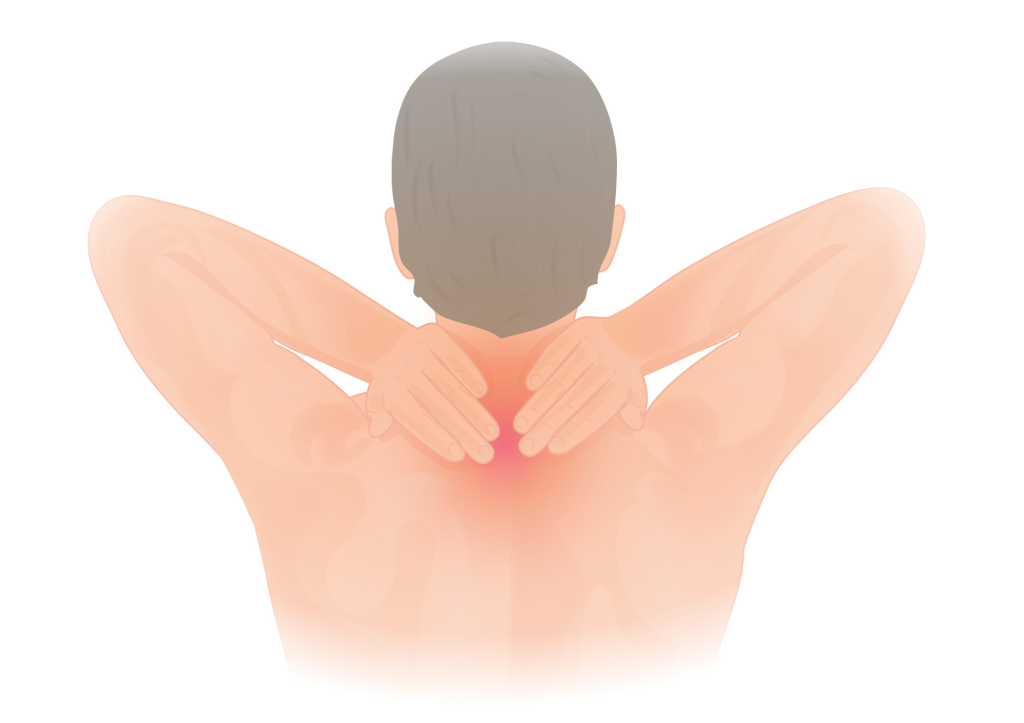
- Stiffness in the neck, making it difficult to turn the head
- Sharp or aching pain in the neck area
- Muscle spasms or tightness
- Pain radiating to the shoulders, upper back, or arms
- Headaches that originate in the neck region
- Numbness or tingling in the arms or hands (indicating nerve involvement)
- Limited range of motion in the neck
How is neck pain diagnosed?
To diagnose the cause of neck pain, a doctor will typically:
- Review your medical history and ask about the onset and characteristics of the pain
- Perform a physical examination to assess muscle strength, reflexes, and range of motion
- Imaging tests such as X-rays, CT scans, or MRIs may be used to check for issues like herniated discs, arthritis, or structural abnormalities
- Nerve conduction studies or electromyography (EMG) may be ordered if nerve involvement is suspected.
How is neck pain treated?
Treatment for neck pain depends on the underlying cause but typically includes:
1. Rest and Lifestyle Modifications:
- Avoiding activities that could worsen the pain, such as heavy lifting or extended periods of sitting in one position
- Proper posture: Ensuring a good ergonomic setup at work or while using electronic devices
- Use of supportive pillows to keep the neck aligned during sleep
2. Physical Therapy:
- Stretching and strengthening exercises to improve flexibility, strength, and posture
- Heat or cold therapy: Applying a warm compress or ice pack to reduce inflammation and soothe muscle tension
- Massage: Professional massage therapy can help release tight muscles and improve circulation
3. Medications:
- Over-the-counter pain relievers: Nonsteroidal anti-inflammatory drugs (NSAIDs) like ibuprofen or acetaminophen can help reduce pain and inflammation.
- Muscle relaxants: In some cases, medications like cyclobenzaprine may be prescribed to relax tense neck muscles.
- Topical analgesics: Creams or ointments containing menthol or capsaicin may be applied to relieve pain.
- Prescription pain relievers: In severe cases, stronger medications may be prescribed.
4. Injections or Procedures:
- Steroid injections: If conservative measures are ineffective, corticosteroid injections into the affected area may help reduce inflammation and pain.
- Nerve blocks: In some cases, nerve blocks may be used to provide relief from nerve-related pain.
- Surgical intervention: If conservative treatments fail or there is a structural issue (e.g., herniated disc, spinal stenosis), surgery may be necessary.
What complications can arise from neck pain?
If neck pain is left untreated or the underlying cause is severe, complications can arise, including:
- Chronic pain or discomfort, which can affect daily functioning
- Nerve damage, leading to numbness, tingling, or weakness in the arms or hands
- Herniated discs that worsen over time and lead to long-term disability
- Spinal cord compression, which may cause difficulty with motor skills, coordination, or balance
How long does neck pain last?
The duration of neck pain depends on the cause:
- Acute neck pain, such as muscle strain or whiplash, typically improves within a few days to a week with proper care.
- Chronic neck pain (lasting more than three months) may require ongoing management and treatment, especially if caused by degenerative conditions like arthritis or herniated discs.
Can neck pain be prevented?
Preventing neck pain involves a combination of lifestyle changes and habits:

- Maintaining good posture when sitting, standing, and sleeping
- Using ergonomic furniture (like chairs with proper neck support) at work and home
- Taking breaks to stretch or walk if you’re sitting for long periods
- Regular physical activity to keep muscles and joints flexible and strong
- Sleep hygiene: Using a supportive pillow that aligns the neck with the spine
When should I see a doctor for neck pain?
You should see a doctor if:
- The pain lasts more than a few days or worsens
- You experience numbness, tingling, or weakness in your arms or hands
- You have severe headache, fever, or neck stiffness (which could indicate an infection like meningitis)
- You have radiating pain down your arms or legs, especially if it is accompanied by weakness or difficulty controlling your limbs