What is Medial Epicondylitis?
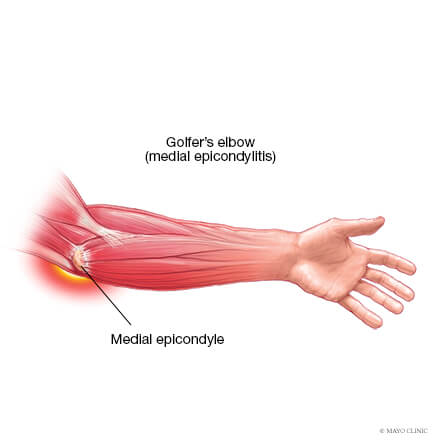
Medial epicondylitis, commonly known as golfer’s elbow, is a condition that causes pain and inflammation on the inner side of the elbow, where the tendons of the forearm muscles attach to the bone. It occurs when the tendons of the forearm muscles become overused or strained, leading to irritation and microtears. Although the condition is often associated with golfers, it can affect anyone who engages in repetitive arm movements or activities that put strain on the elbow.
What Causes Medial Epicondylitis?
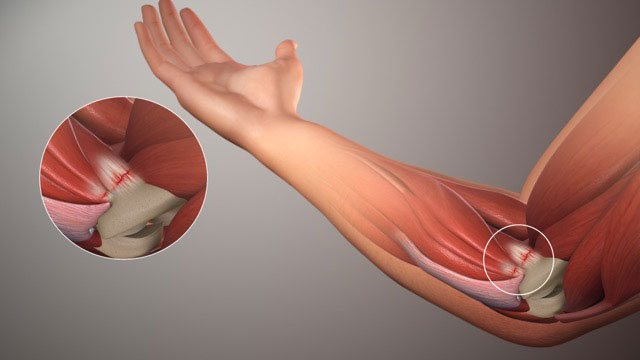
Medial epicondylitis is typically caused by repetitive movements or overuse of the forearm muscles, which can lead to microscopic tears in the tendons. The condition is often seen in athletes, especially those who perform actions like throwing, swinging, or lifting. However, it can also affect people whose work or hobbies require frequent use of the forearm muscles.
Common causes include:
- Repetitive Motion: Activities such as golfing, throwing, weightlifting, or any repetitive action that strains the forearm muscles.
- Improper Technique: Using improper form during sports or physical activities can put additional stress on the elbow and contribute to the condition.
- Overuse: Engaging in intense or prolonged activities that stress the muscles and tendons around the elbow can lead to inflammation and pain.
- Age: As people age, the tendons may lose their flexibility and ability to handle stress, making them more prone to injury.
What Are the Symptoms of Medial Epicondylitis?
The main symptom of medial epicondylitis is pain on the inner side of the elbow, but other symptoms may also include:
Common Symptoms:
- Pain on the Inner Elbow: This is the most noticeable symptom, typically on the medial epicondyle (the bony bump on the inner side of the elbow). The pain may worsen with certain movements or activities.
- Pain Radiating to the Forearm: The pain may extend down the forearm, especially when gripping or lifting objects.
- Swelling and Tenderness: The affected area may feel swollen and tender to the touch.
- Weakness in the Wrist or Hand: Due to the strain on the muscles and tendons, there may be a decrease in strength when trying to grip or hold objects.
- Pain with Certain Movements: Activities such as shaking hands, lifting, or bending the wrist may aggravate the pain.
How is Medial Epicondylitis Diagnosed?
Diagnosis of medial epicondylitis is typically based on physical examination and medical history. A healthcare provider may ask about symptoms, any history of repetitive movements, and the onset of pain.
Diagnostic Methods:
- Physical Exam: A healthcare provider will palpate the inner side of the elbow and apply pressure to check for tenderness, swelling, and pain.
- X-rays: X-rays may be ordered to rule out other conditions, such as fractures or arthritis, although they are not used to diagnose medial epicondylitis directly.
- MRI: In more severe cases, an MRI can be used to evaluate the extent of tendon damage or to rule out other underlying conditions.
How is Medial Epicondylitis Treated?
Treatment for medial epicondylitis primarily focuses on relieving pain, reducing inflammation, and promoting healing. Most cases of medial epicondylitis improve with conservative treatment, but in some cases, more advanced interventions may be necessary.
Conservative Treatment:
- Rest: Avoiding activities that exacerbate symptoms is the first step in healing. Giving the elbow time to rest can help reduce inflammation and pain.
- Ice Therapy: Applying ice to the affected area can help reduce swelling and provide relief from pain.
- Nonsteroidal Anti-Inflammatory Drugs (NSAIDs): Medications such as ibuprofen or naproxen can help reduce pain and inflammation.
- Physical Therapy: Stretching and strengthening exercises for the forearm and wrist can improve flexibility and promote recovery. A physical therapist may also use techniques like massage or ultrasound to alleviate pain.
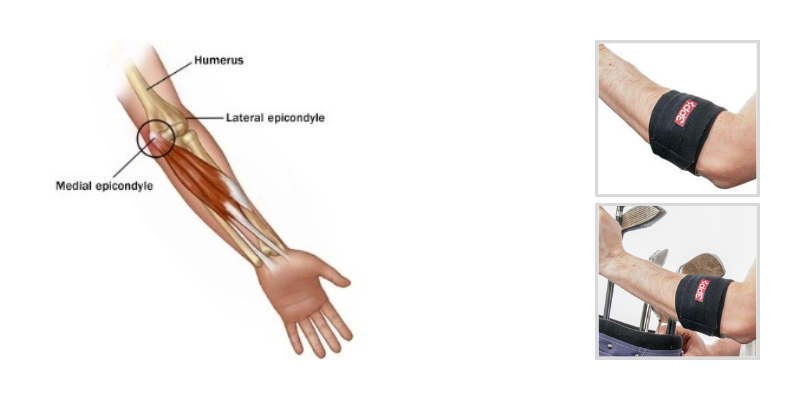
- Bracing or Splinting: A brace or splint can be used to immobilize the elbow and limit movement that could aggravate the condition.
Advanced Treatments:
- Steroid Injections: If pain persists, a corticosteroid injection may be used to reduce inflammation in the affected area. However, these are typically used with caution, as repeated injections may weaken the tendons.
- Platelet-Rich Plasma (PRP) Therapy: In some cases, PRP therapy, which involves injecting a concentration of the patient’s own platelets into the damaged tendon, may be used to promote healing.
- Surgery: If conservative treatments fail to provide relief, surgery may be necessary to remove damaged tissue and promote healing. Surgical options include tendon debridement or repair.
What is the Prognosis for Medial Epicondylitis?
The prognosis for medial epicondylitis is generally good, especially with early diagnosis and appropriate treatment. Most individuals experience significant improvement with rest, physical therapy, and other conservative measures. In some cases, however, recovery may take several months.
Long-term Outlook:
- Recovery Time: Most people recover from medial epicondylitis within 6 months to a year, although this can vary depending on the severity of the condition and how well treatment protocols are followed.
- Chronic Pain: If left untreated or if proper treatment is not followed, the condition can become chronic and may lead to ongoing pain or disability.
What Are the Complications of Medial Epicondylitis?
Complications are rare, but when they occur, they can include:
- Chronic Pain: If the condition is not treated properly or if recovery is not managed correctly, pain may persist over the long term.
- Tendon Rupture: In severe cases, the tendon may rupture or tear due to ongoing strain and lack of healing.
- Decreased Range of Motion: Over time, if the elbow becomes stiff, it may result in a decreased range of motion, making daily activities more difficult.
Can Medial Epicondylitis Be Prevented?
While it may not be entirely preventable, the risk of developing medial epicondylitis can be minimized by taking certain precautions:
- Proper Technique: Using proper form during physical activities, especially sports, can reduce stress on the elbow joint and tendons.
- Warm-up and Stretch: Warming up before physical activity and performing regular stretching exercises can help maintain the flexibility and strength of the forearm muscles and tendons.
- Avoiding Overuse: Taking breaks during repetitive activities and avoiding excessive strain on the elbow can help prevent injury.
- Strengthening Exercises: Regularly strengthening the muscles of the forearm and wrist can help support the elbow and reduce the risk of overuse injuries.
Is Medial Epicondylitis Treatable?
Yes, medial epicondylitis is treatable in most cases. With appropriate treatment, such as rest, ice, physical therapy, and medications, most individuals can recover fully. Surgery is rarely required and is typically considered only when conservative treatments do not provide relief.