What Is Erythropoietic Protoporphyria (EPP)?
Erythropoietic protoporphyria (EPP) is a rare genetic disorder that affects the production of heme, a component of hemoglobin in red blood cells. People with EPP have an abnormal buildup of protoporphyrin, a chemical compound that is normally broken down in the body. This buildup leads to sensitivity to sunlight and can cause painful skin reactions, along with other potential complications. EPP is part of a broader group of disorders called porphyrias, which are characterized by problems with heme production.
What Causes Erythropoietic Protoporphyria?
EPP is caused by mutations in the FECH gene, which provides instructions for making the enzyme ferrochelatase. This enzyme plays a key role in the final step of heme production. When the enzyme is deficient or not functioning properly due to these mutations, protoporphyrin accumulates in the bone marrow and liver, leading to the characteristic symptoms of the condition. EPP is inherited in an autosomal dominant manner, meaning that a person only needs one copy of the mutated gene to develop the disorder.
What Are the Symptoms of Erythropoietic Protoporphyria?
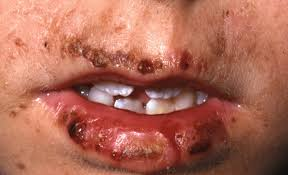
The most prominent symptom of EPP is photosensitivity, which causes skin pain, burning, or redness upon exposure to sunlight. Other symptoms of EPP include:
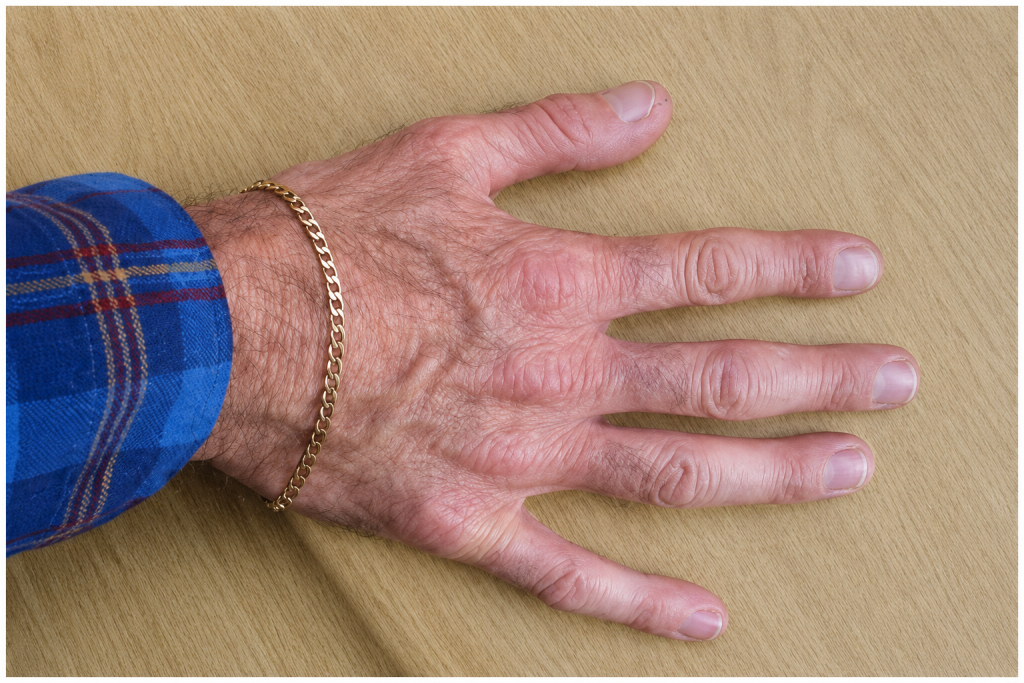
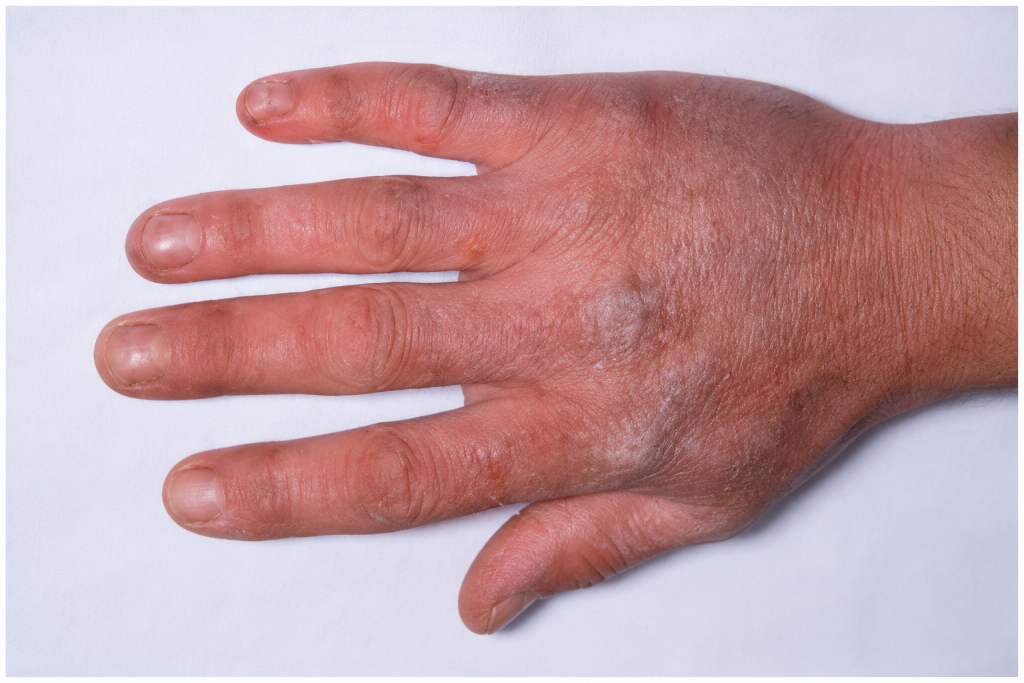
- Painful skin reactions – When exposed to sunlight, affected individuals may experience intense pain, burning, and swelling of the skin, typically on areas exposed to the sun, such as the face, hands, and arms.
- Swelling and redness of the skin – The skin may become swollen and red after sun exposure, similar to a severe sunburn.
- Itching or stinging – Skin reactions can be accompanied by itching or a stinging sensation.
- Liver issues – In some cases, the liver can be affected, leading to liver damage, which may progress to cirrhosis in rare cases.
- Fatigue – People with EPP may experience chronic fatigue due to the underlying metabolic disruptions.
How Is Erythropoietic Protoporphyria Diagnosed?
Diagnosing EPP typically involves several diagnostic tests, as the symptoms overlap with other skin and blood disorders. The following tests are commonly used to diagnose EPP:
- Blood tests – Blood samples are analyzed to measure levels of protoporphyrin, which are typically elevated in individuals with EPP.
- Urine tests – Urine may be tested for abnormal porphyrin levels, which can help distinguish EPP from other types of porphyria.
- Skin biopsy – A skin biopsy may be performed to examine skin tissue for abnormal porphyrins or to evaluate the severity of skin damage.
- Genetic testing – Genetic testing can confirm the presence of mutations in the FECH gene, providing a definitive diagnosis of EPP.
What Are the Treatment Options for Erythropoietic Protoporphyria?
There is no cure for EPP, but treatment focuses on managing symptoms and preventing complications. Common treatments and strategies include:
- Avoiding sunlight – The most effective way to manage symptoms is to minimize exposure to sunlight. This can be done by staying indoors during the day, wearing protective clothing, and using sunscreen.
- Protective clothing and hats – Wearing hats, gloves, long sleeves, and other clothing that block sunlight can help prevent painful skin reactions.
- Sunscreens – High SPF sunscreens that offer protection against both UVA and UVB rays may help reduce skin damage during limited sun exposure.
- Beta-carotene – Some people with EPP benefit from taking beta-carotene supplements, which may help protect the skin from the harmful effects of sunlight.
- Liver management – In cases where liver damage occurs, treatments may focus on managing liver function and preventing further damage. Liver transplant may be required in rare, severe cases.
- Pain management – For individuals experiencing skin pain from sunlight exposure, over-the-counter pain relievers or prescription medications may be used to manage discomfort.
- Gene therapy (experimental) – Although still in the research phase, gene therapy may one day offer a potential treatment option for people with EPP by correcting the underlying genetic defect.
Can Erythropoietic Protoporphyria Be Prevented?
As EPP is a genetic disorder, it cannot be prevented. However, individuals with the condition can take measures to reduce the severity of their symptoms:
- Minimize sun exposure – The best way to prevent painful skin reactions is to limit exposure to sunlight as much as possible.
- Early diagnosis and management – Early diagnosis and consistent management of symptoms can help prevent long-term complications, such as liver damage and chronic skin issues.
- Genetic counseling – If you have a family history of EPP, genetic counseling may be helpful for understanding the risk of passing the condition to your children.
What Is the Prognosis for Erythropoietic Protoporphyria?
With appropriate management, most individuals with EPP can lead a normal life, although sun sensitivity and the risk of skin reactions remain. The prognosis depends on the severity of symptoms and whether the individual develops complications, such as liver damage. In severe cases, where liver damage becomes significant, liver transplant may be necessary. Early diagnosis and lifestyle modifications to avoid sunlight exposure can improve the quality of life for those with the condition.
What Support Is Available for People with Erythropoietic Protoporphyria?
Support resources are available for individuals living with EPP and their families, including:
- Patient advocacy groups – Organizations like the American Porphyria Foundation provide support, education, and resources for people affected by EPP and other types of porphyria.
- Online communities – Online forums and social media groups offer a space for individuals with EPP to connect, share experiences, and offer support.
- Genetic counseling – Genetic counseling can help individuals and families understand the hereditary nature of EPP and make informed decisions about family planning.