What is Prostatitis?
Prostatitis is the inflammation or infection of the prostate gland, a small gland in men located below the bladder that produces semen. It can cause pain, urinary problems, and sexual dysfunction. Prostatitis may be acute or chronic and affects men of all ages, though it is more common in those under 50.
What causes Prostatitis?
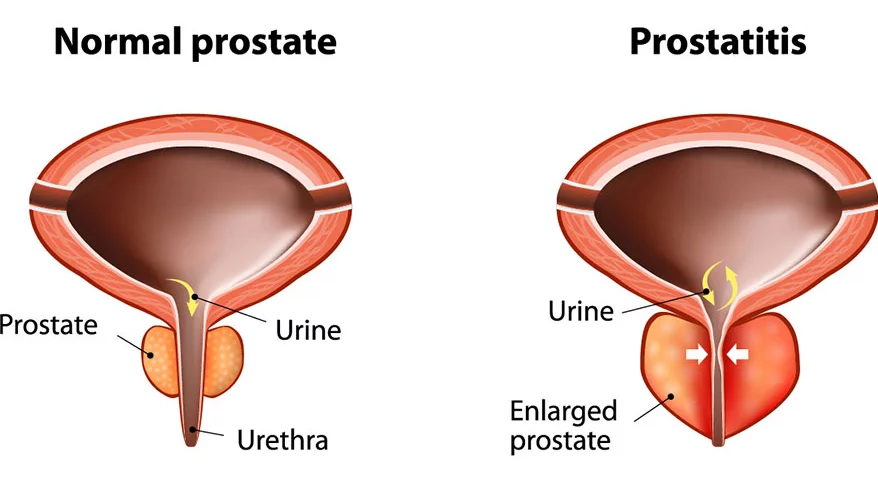
The cause varies depending on the type of prostatitis:
- Bacterial Prostatitis: Caused by bacterial infections, often from urinary tract infections (UTIs)
- Chronic Prostatitis/Chronic Pelvic Pain Syndrome (CP/CPPS): Most common form; the cause is often unclear but may involve inflammation, nerve damage, or stress
- Asymptomatic Inflammatory Prostatitis: Detected during tests for other conditions; has no noticeable symptoms
- Nonbacterial Prostatitis: Inflammation without a clear infection
What are the symptoms?
Symptoms vary by type and severity but may include:
- Pain or burning during urination (dysuria)
- Difficulty urinating or weak urine stream
- Frequent urge to urinate, especially at night
- Pain in the lower abdomen, pelvis, or lower back
- Pain in the perineum (area between scrotum and rectum)
- Painful ejaculation or sexual dysfunction
- Flu-like symptoms in acute bacterial prostatitis (fever, chills, fatigue)
How is Prostatitis diagnosed?
Diagnosis involves:
- Medical history and physical exam, including a digital rectal exam (DRE)
- Urine tests to detect infection or inflammation
- Blood tests to check for infection markers
- Prostate secretion analysis (in some cases)
- Imaging studies like ultrasound or MRI if needed
- Urodynamic tests for urinary function in chronic cases
How is Prostatitis treated?
Treatment depends on the type and cause:
- Bacterial Prostatitis: Antibiotics (oral or IV) are the primary treatment
- Chronic Prostatitis/CPPS: Combination of therapies may include anti-inflammatory drugs, alpha-blockers, physical therapy, and stress management
- Pain management: NSAIDs, warm baths, or muscle relaxants
- Lifestyle changes: Avoiding alcohol, spicy foods, and caffeine; staying hydrated
- Psychological support: Counseling for chronic pain or stress-related symptoms
What is the prognosis?
- Acute bacterial prostatitis often resolves with antibiotics but may become recurrent
- Chronic prostatitis may be long-lasting and frustrating, but symptoms can often be managed
- Lifelong management may be necessary in some chronic cases
What complications can occur?
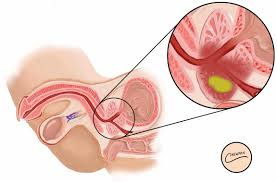
- Chronic infection or recurring UTIs
- Prostate abscess (rare)
- Sexual dysfunction or infertility
- Emotional distress due to chronic pain
Who is most at risk?
- Men under age 50 for chronic prostatitis
- Men with a history of UTIs or pelvic trauma
- Those who use urinary catheters
- Men with a sedentary lifestyle or high stress levels
Can Prostatitis be prevented?
Prevention tips include:
- Practicing safe sex
- Avoiding bladder overfilling or delayed urination
- Staying well-hydrated
- Managing stress
- Avoiding risk factors like prolonged sitting or bike riding without proper support
Are there support resources?
Yes, support is available through:
- Urologists specializing in men’s health
- Pain management and pelvic floor therapy centers
- Online communities and support groups
- Organizations like the Prostatitis Foundation