


What is HIV/AIDS?
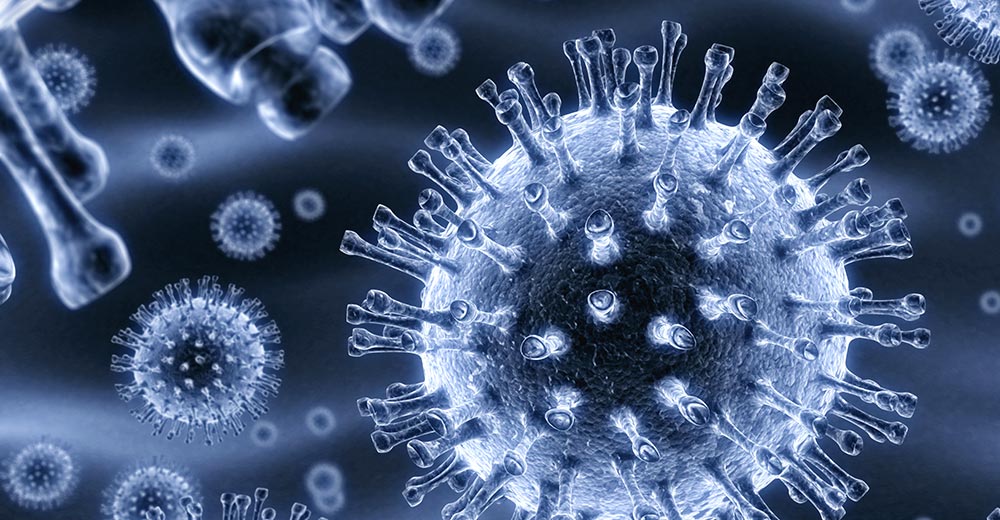
HIV (Human Immunodeficiency Virus) is a virus that attacks the body’s immune system, specifically the CD4 (T) cells, which help fight infections. If left untreated, HIV can lead to AIDS (Acquired Immunodeficiency Syndrome), the most advanced stage of HIV infection, where the immune system is severely weakened and vulnerable to life-threatening infections and cancers.
What Causes HIV/AIDS?
HIV is caused by a virus transmitted through:
- Unprotected sexual contact with an infected person
- Sharing needles or syringes
- Receiving contaminated blood products or organ transplants
- From mother to child during pregnancy, childbirth, or breastfeeding
HIV is not spread by casual contact, such as hugging, shaking hands, or sharing food or water.
What Are the Symptoms?
Symptoms vary depending on the stage of infection.
Early Stage (Acute HIV Infection):
- Fever
- Sore throat
- Swollen lymph nodes
- Rash
- Fatigue
- Muscle and joint pain
- Headache
These flu-like symptoms often appear 2 to 4 weeks after infection and may last for a few days to weeks.
Latent or Chronic HIV Stage:
- This stage may last for several years with few or no symptoms.
- The virus continues to damage the immune system silently.
AIDS (Advanced HIV Infection):
- Rapid weight loss
- Recurring fever or night sweats
- Extreme fatigue
- Swelling of lymph nodes
- Prolonged diarrhea
- Sores in the mouth, anus, or genitals
- Pneumonia
- Skin blotches or unusual infections
Without treatment, HIV progresses to AIDS, where the immune system is severely damaged.
How Is It Diagnosed?
HIV is diagnosed through:
- HIV antibody/antigen tests (blood or oral fluid)
- Nucleic acid tests (NATs) to detect the virus directly
- CD4 count and viral load tests (to monitor immune health and virus levels)
Early testing is crucial for treatment and preventing the spread to others.
What Is the Treatment?
There is no cure for HIV, but it can be effectively controlled with antiretroviral therapy (ART). This treatment:
- Reduces the viral load to undetectable levels
- Helps prevent progression to AIDS
- Reduces the risk of transmitting the virus to others
People who start and stay on ART can live long, healthy lives.
Are There Any Complications?
Without treatment, HIV can weaken the immune system and lead to:
- Opportunistic infections (e.g., tuberculosis, candidiasis, pneumocystis pneumonia)
- Certain cancers (e.g., Kaposi’s sarcoma, lymphoma)
- Neurological complications (e.g., HIV-associated dementia)
- AIDS-related death
What Is the Outlook?
With early detection and consistent treatment, people with HIV can live normal life spans. ART helps maintain immune health, prevent complications, and reduce transmission to others. Early diagnosis and adherence to therapy are key.
How Can It Be Managed or Prevented?
Prevention:
- Use condoms during sex
- Get tested regularly if at risk
- Avoid sharing needles
- Use PrEP (Pre-Exposure Prophylaxis) if at high risk
- Treat HIV-positive mothers to prevent transmission to babies
- Educate and reduce stigma to encourage testing and treatment
Management:
- Adhere to ART as prescribed
- Maintain a healthy lifestyle (diet, exercise, mental health)
- Attend regular check-ups
- Monitor CD4 counts and viral loads to assess health status
