


intraduction
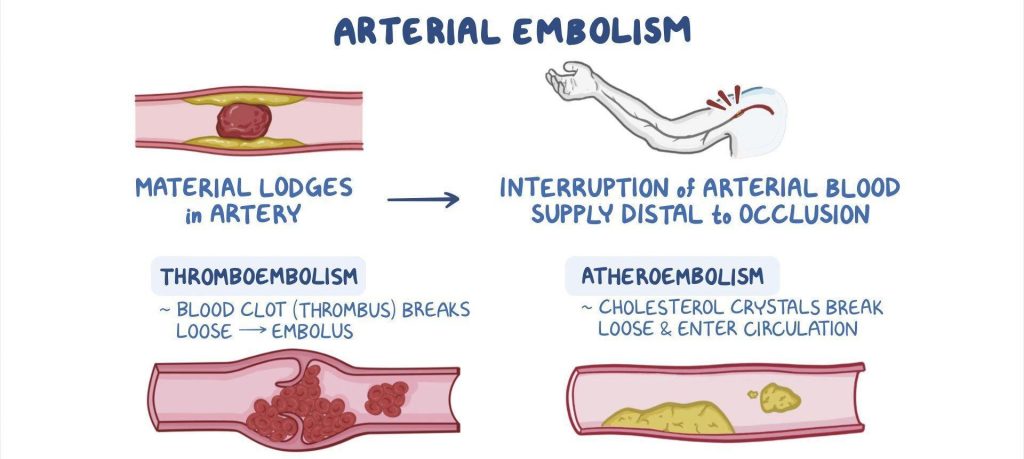
Atheroembolism is a condition caused by the release of small cholesterol-rich particles, called cholesterol emboli, from an atherosclerotic plaque in large arteries. These emboli travel to smaller arteries, blocking blood flow and leading to organ damage or ischemia. It is a rare but serious condition often associated with atherosclerosis, a disease characterized by the buildup of fatty deposits in the arteries. In this article, we will explore the symptoms, causes, diagnosis, and treatment of Atheroembolism.
What Is Atheroembolism?
Atheroembolism occurs when cholesterol crystals or atherosclerotic debris dislodge from the walls of an artery that is affected by atherosclerosis (the buildup of plaque). These emboli travel through the bloodstream and lodge in smaller arteries or arterioles, causing blockages. This disruption in blood flow can damage organs or tissues downstream from the blockage, resulting in various symptoms depending on the location of the emboli.
Atheroembolism is often associated with cardiovascular disease and can lead to complications such as stroke, kidney damage, or limb ischemia.
Symptoms of Atheroembolism
The symptoms of Atheroembolism depend on the organs or tissues affected by the blockage. Some of the most common signs and symptoms include:
1. Skin Changes
- Blue or purple spots (known as livedo reticularis) may appear on the skin due to impaired blood flow.
- Gangrene or tissue death may occur in severe cases, leading to blackened or necrotic tissue.
2. Kidney Symptoms
- Acute kidney failure may result from emboli lodging in the kidneys, leading to renal infarction or ischemia.
- Symptoms of kidney involvement include low urine output, swelling (edema), high blood pressure, and elevated creatinine levels.
3. Neurological Symptoms
- If the emboli travel to the brain, stroke or transient ischemic attacks (TIAs) may occur, leading to symptoms such as:
- Weakness or paralysis on one side of the body
- Difficulty speaking (aphasia)
- Vision problems
- Confusion or loss of consciousness
4. Limb Ischemia
- Pain or numbness in the limbs may occur if emboli block blood flow to the arms or legs.
- In severe cases, there may be tissue death or gangrene in the affected limb, requiring amputation in extreme cases.
5. Gastrointestinal Symptoms
- If emboli block blood vessels supplying the intestines, symptoms like abdominal pain, nausea, and vomiting may occur. This can lead to more serious conditions like bowel infarction.
6. Fatigue and Malaise
- General fatigue and a feeling of unwellness (malaise) can be present due to reduced blood flow and oxygen delivery to organs.

Causes of Atheroembolism?
Atheroembolism is primarily caused by atherosclerosis, a condition where fatty deposits (plaque) build up on the walls of the arteries, narrowing them and making them less flexible. Over time, this plaque can rupture, releasing cholesterol crystals and debris into the bloodstream. Other contributing factors to atheroembolism include:
1. Atherosclerosis
- The primary cause of atheroembolism is atherosclerosis, which weakens the arterial walls and forms plaques that can break apart and travel through the bloodstream.
2. Cardiovascular Interventions
- Procedures such as angioplasty, stent placement, or cardiac surgery can sometimes trigger the release of cholesterol crystals from plaques, leading to atheroembolism.
3. Hypertension
- Chronic high blood pressure can accelerate the process of atherosclerosis, making arteries more vulnerable to plaque rupture and embolism.
4. Smoking
- Smoking contributes to the formation and rupture of atherosclerotic plaques, increasing the risk of emboli formation and travel.
5. High Cholesterol
- High levels of low-density lipoprotein (LDL) cholesterol, or “bad” cholesterol, contribute to the buildup of plaques in the arteries, increasing the risk of atheroembolism.
6. Diabetes
- People with diabetes are at a higher risk of developing atherosclerosis and, by extension, atheroembolism.
Diagnosis of Atheroembolism?
Diagnosing Atheroembolism involves several diagnostic tests, starting with a physical exam and a review of the patient’s medical history. Doctors may also use the following diagnostic tools:
1. Blood Tests
- Renal function tests: To check for signs of kidney damage (creatinine levels, glomerular filtration rate).
- Complete blood count (CBC): To assess general health and check for inflammation or infection.
2. Imaging Tests
- Doppler ultrasound or CT angiography may be used to identify blockages in blood vessels and assess the extent of organ damage.
- MRI or CT scans may help identify strokes or other areas affected by embolism in the brain.
3. Kidney Biopsy
- In some cases, a kidney biopsy may be done to confirm renal embolism if there are concerns about kidney involvement.
4. Echocardiogram
- If a cardiac source is suspected, an echocardiogram may be performed to evaluate the heart’s function and check for thrombus (clot) formation in the heart chambers that could contribute to embolism.
Treatment of Atheroembolism?
Treatment for Atheroembolism focuses on managing the symptoms, preventing further emboli from forming, and addressing the underlying causes such as atherosclerosis. Treatment options include:
1. Medications
- Anticoagulants or antiplatelet medications: To prevent the formation of new emboli and reduce the risk of blood clotting.
- Statins: To lower cholesterol levels and reduce the formation of plaques in the arteries.
- Angiotensin-converting enzyme (ACE) inhibitors or beta-blockers: To help manage blood pressure and reduce the strain on the cardiovascular system.
2. Surgical Interventions
- Endovascular procedures or surgical bypass may be necessary if there are significant blockages in major arteries or if organ damage is severe.
3. Lifestyle Changes
- Adopting a heart-healthy diet, quitting smoking, and regular physical activity can help slow the progression of atherosclerosis and reduce the risk of atheroembolism.
4. Dialysis (for Kidney Involvement)
- If kidney function is severely affected, dialysis may be required until kidney function is stabilized, or in some cases, a kidney transplant may be needed.
5. Management of Risk Factors
- Managing risk factors such as high cholesterol, hypertension, and diabetes is critical in preventing atheroembolism. Medications, lifestyle changes, and regular monitoring can help control these factors.
Prognosis of Atheroembolism
The prognosis of Atheroembolism depends on the severity of the embolism, the organs affected, and the timeliness of treatment. In general:
- Early diagnosis and intervention can improve the prognosis, especially if organ damage is limited.
- Kidney failure, stroke, or gangrene in limbs may be associated with more severe complications and can impact the overall outcome.
- Life expectancy may be shortened if atheroembolism leads to significant organ failure or if it is left untreated.