What Is Quetiapine Overdose?
Quetiapine overdose occurs when an individual ingests a quantity of quetiapine (Seroquel) exceeding the prescribed dose, leading to toxic effects. This can result from accidental ingestion, intentional self-harm, or misuse. The severity of symptoms varies based on the amount ingested, the individual’s health status, and the presence of other substances.
What Are the Symptoms of Quetiapine Overdose?
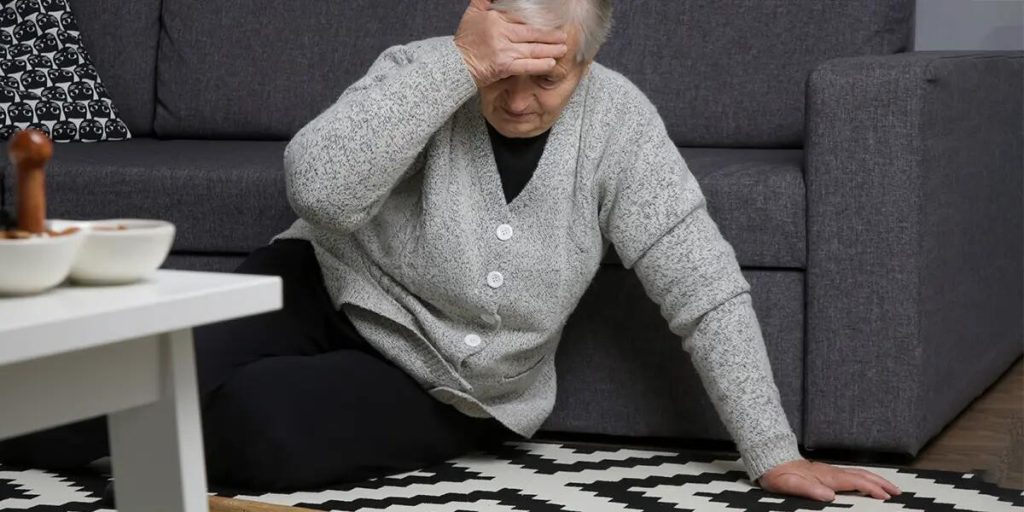
Symptoms of quetiapine overdose can range from mild to severe and may include:
- Central Nervous System Depression: Drowsiness, sedation, and in severe cases, coma.
- Cardiovascular Issues: Tachycardia (fast heartbeat), hypotension (low blood pressure), and potential arrhythmias.
- Respiratory Depression: Slowed or shallow breathing.
- Neurological Symptoms: Seizures and delirium.
- Gastrointestinal Distress: Nausea and vomiting.
In a study analyzing 945 cases of acute quetiapine overdose, common manifestations included drowsiness (76%), coma (10%), seizures (2%), tachycardia (56%), hypotension (18%), and respiratory depression (5%).
How Does Quetiapine Cause Toxicity?
Quetiapine’s toxicity is primarily due to its antagonistic effects on various receptors:
- Histamine (H₁) Receptors: Leading to sedation and hypotension.
- Serotonin (5-HT₂) Receptors: Contributing to altered mental status and delirium.
- Dopamine (D₂) Receptors: Affecting motor control and potentially leading to extrapyramidal symptoms.
These effects can disrupt normal physiological functions, leading to the symptoms observed in overdose cases.
Who Is at Risk for Quetiapine Overdose?
Certain factors may increase the risk of quetiapine overdose:
- High Dosage: Elevated doses of quetiapine can increase the likelihood of toxic effects.
- Renal or Hepatic Impairment: Impaired kidney or liver function can lead to higher plasma levels of quetiapine.
- Concurrent Use of Other CNS Depressants: Combining quetiapine with other sedative medications can enhance sedative effects.
- Mental Health Disorders: Individuals with psychiatric conditions may be at higher risk due to intentional overdose.
How Is Quetiapine Overdose Diagnosed?
Diagnosis involves:
- Medical History Review: Assessing recent quetiapine use and symptom onset.
- Physical Examination: Checking for signs of sedation, altered mental status, and vital sign abnormalities.
- Laboratory Tests: Measuring quetiapine plasma levels to assess for toxicity.
- Electrocardiogram (ECG): Evaluating for arrhythmias or QT interval prolongation.
What Are the Treatment Options for Quetiapine Overdose?
Management of quetiapine overdose includes:
- Supportive Care: Ensuring airway protection, maintaining adequate ventilation, and monitoring vital signs.
- Activated Charcoal: Administered within 1-2 hours of ingestion to reduce absorption.
- Gastric Lavage: Considered if ingestion was recent and in large quantities.
- Seizure Management: Benzodiazepines may be used to control seizures.
- Cardiovascular Support: Intravenous fluids and vasopressors for hypotension.
There is no specific antidote for quetiapine overdose; treatment is symptomatic and supportive.
What Is the Prognosis After a Quetiapine Overdose?
The prognosis depends on the amount ingested, the timeliness of treatment, and the patient’s overall health. With prompt and appropriate medical intervention, many individuals recover without long-term effects. However, severe cases can lead to prolonged coma, permanent neurological damage, or death.
How Can Quetiapine Overdose Be Prevented?
Preventive measures include:
- Proper Storage: Keeping quetiapine out of reach of children and others who might misuse it.
- Adherence to Prescriptions: Taking only the prescribed dose; do not adjust without consulting a healthcare provider.
- Education: Informing patients and caregivers about the risks of overdose and the importance of following dosing instructions.
- Avoiding Drug Interactions: Being cautious with concurrent use of other CNS depressants.