


What is Kearns-Sayre Systemic Mitochondriopathy?
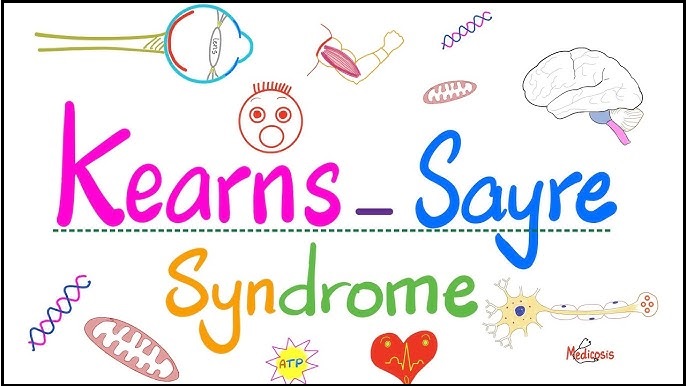
Kearns-Sayre Syndrome (KSS) is a rare mitochondrial disorder that primarily affects the eyes but can also impact multiple systems in the body, hence the term “systemic mitochondriopathy.” It is caused by deletions or mutations in mitochondrial DNA, leading to energy production problems in various tissues.
This condition typically begins before the age of 20 and can affect muscles, the heart, endocrine organs, and the nervous system.
What causes Kearns-Sayre Syndrome?
KSS is caused by mutations or large-scale deletions in mitochondrial DNA (mtDNA). Unlike nuclear DNA, mtDNA is inherited only from the mother, but most cases of KSS occur sporadically, meaning the mutation is not inherited but happens randomly.
These mtDNA mutations affect mitochondria’s ability to produce energy, which particularly impacts tissues and organs that require high energy—like the eyes, heart, and muscles.
What are the symptoms of Kearns-Sayre Syndrome?
Symptoms usually begin in childhood or adolescence and can vary in severity. Common features include:
- Progressive external ophthalmoplegia (weakness or paralysis of the eye muscles)
- Ptosis (drooping eyelids)
- Pigmentary retinopathy (a specific type of vision loss)
- Cardiac conduction defects, such as heart block
- Muscle weakness
- Hearing loss
- Ataxia (loss of coordination)
- Diabetes mellitus
- Short stature
- Endocrine problems (e.g., hypothyroidism, hypoparathyroidism)
- Elevated cerebrospinal fluid protein levels
In some cases, brain involvement may cause seizures or cognitive impairment.

How is Kearns-Sayre Syndrome diagnosed?
Diagnosis is based on clinical presentation and confirmed through laboratory testing:
- Clinical signs: Onset before age 20, eye movement problems, and retinopathy are classic signs.
- Muscle biopsy: May reveal ragged red fibers, a hallmark of mitochondrial disease.
- Genetic testing: Detects deletions or mutations in mtDNA.
- Echocardiogram and ECG: Assess for heart conduction abnormalities.
- Blood tests: May reveal elevated lactate levels.
- Lumbar puncture: Often shows elevated protein levels in cerebrospinal fluid.
Early diagnosis is essential for monitoring and preventing life-threatening cardiac complications.
How is Kearns-Sayre Syndrome treated?
There is currently no cure for KSS, but treatments focus on managing symptoms and preventing complications:
- Pacemaker implantation: Often needed for patients with heart block or arrhythmias.
- Coenzyme Q10 or other mitochondrial supplements: May provide some symptom relief.
- Hearing aids: For sensorineural hearing loss.
- Hormone replacement therapy: For endocrine disorders like diabetes or thyroid dysfunction.
- Physical and occupational therapy: To help with coordination and muscle weakness.
- Vision support: Regular eye exams and low-vision aids.
- Regular cardiac monitoring: Vital due to risk of sudden cardiac death.
A multidisciplinary team approach is key, including cardiologists, endocrinologists, neurologists, and ophthalmologists.
What is the prognosis for Kearns-Sayre Syndrome?
The prognosis depends on the severity and extent of organ involvement. With early diagnosis and appropriate care, some patients may live into adulthood and have a reasonable quality of life.
However, cardiac complications are a major cause of mortality, so lifelong follow-up and monitoring are essential. The progression of symptoms is usually slow but can vary from person to person.
Can Kearns-Sayre Syndrome be prevented?
Since most cases of KSS are sporadic, there is no known way to prevent the condition. However:
- Genetic counseling is advised for affected families.
- Prenatal testing may be possible in some cases if a known mitochondrial DNA mutation is identified.
Raising awareness and ensuring early detection can help reduce risks and improve outcomes through timely interventions.
