


What is a Tunneled Dialysis Catheter Infection?
A tunneled dialysis catheter infection occurs when bacteria or other microorganisms infect the catheter used for long-term dialysis access. These catheters are placed under the skin and into a large vein to provide access for hemodialysis, but they can be a source of infection.
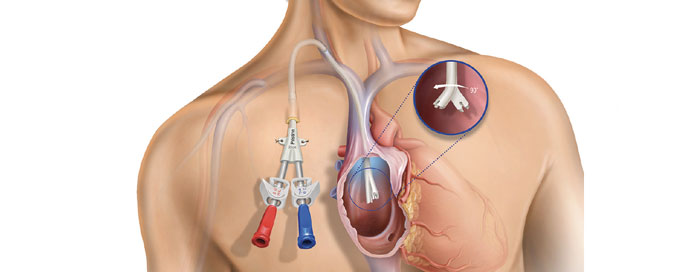
What Causes Tunneled Dialysis Catheter Infection?
Infections usually result from:
- Bacteria entering through the catheter insertion site.
- Poor catheter care or hygiene.
- Contamination during catheter insertion or dialysis sessions.
- Weakened immune system in dialysis patients.
- Formation of biofilms on the catheter surface which protect bacteria.
Common bacteria involved include Staphylococcus aureus and coagulase-negative staphylococci.
What Are the Symptoms of Tunneled Dialysis Catheter Infection?
Symptoms may include:
- Redness, swelling, or tenderness around the catheter site.
- Warmth or pus discharge from the insertion area.
- Fever and chills.
- Pain or discomfort during dialysis.
- General malaise or fatigue.
- Signs of bloodstream infection such as low blood pressure or rapid heart rate.
How is Tunneled Dialysis Catheter Infection Diagnosed?
Diagnosis involves:
- Physical examination of the catheter site.
- Blood cultures to identify bacteria in the bloodstream.
- Cultures of any discharge from the catheter site.
- Imaging studies like ultrasound to detect abscess or clot formation.
- Laboratory tests to assess inflammation and infection markers.

How is Tunneled Dialysis Catheter Infection Treated?
Treatment options include:
- Antibiotics administered intravenously to target the infection.
- Careful catheter site cleaning and dressing changes.
- In some cases, catheter removal and replacement may be necessary.
- Supportive care to manage fever and symptoms.
- Monitoring for complications such as sepsis or endocarditis.
Prompt treatment is crucial to prevent serious complications.
Can Tunneled Dialysis Catheter Infection Be Prevented?
Preventive measures include:
- Strict aseptic technique during catheter insertion and dialysis.
- Proper hand hygiene for healthcare providers and patients.
- Regular cleaning and dressing changes of the catheter site.
- Avoiding unnecessary catheter manipulations.
- Patient education on catheter care and infection signs.
When Should You See a Doctor?
Seek medical attention if you notice:
- Redness, swelling, or pain at the catheter site.
- Fever or chills without other cause.
- Pus or unusual discharge from the catheter.
- Feeling generally unwell or signs of systemic infection.
- Difficulty or pain during dialysis sessions.