


What Is Focal Dystonia?
Focal dystonia is a neurological condition that causes involuntary muscle contractions in a specific part of the body. These muscle contractions can lead to abnormal postures, movements, or tremors in the affected area. Unlike generalized dystonia, focal dystonia only affects one body region—such as the hand, neck, face, or vocal cords.
This condition can interfere with everyday activities, especially tasks that require fine motor skills, and it’s often task-specific. For example, it may appear only when writing or playing a musical instrument.
What Are the Types of Focal Dystonia?
Focal dystonia is named based on the body part it affects. Some common types include:
- Cervical Dystonia (Neck Dystonia): Causes the neck muscles to spasm, turning the head to one side or pulling it forward/backward.
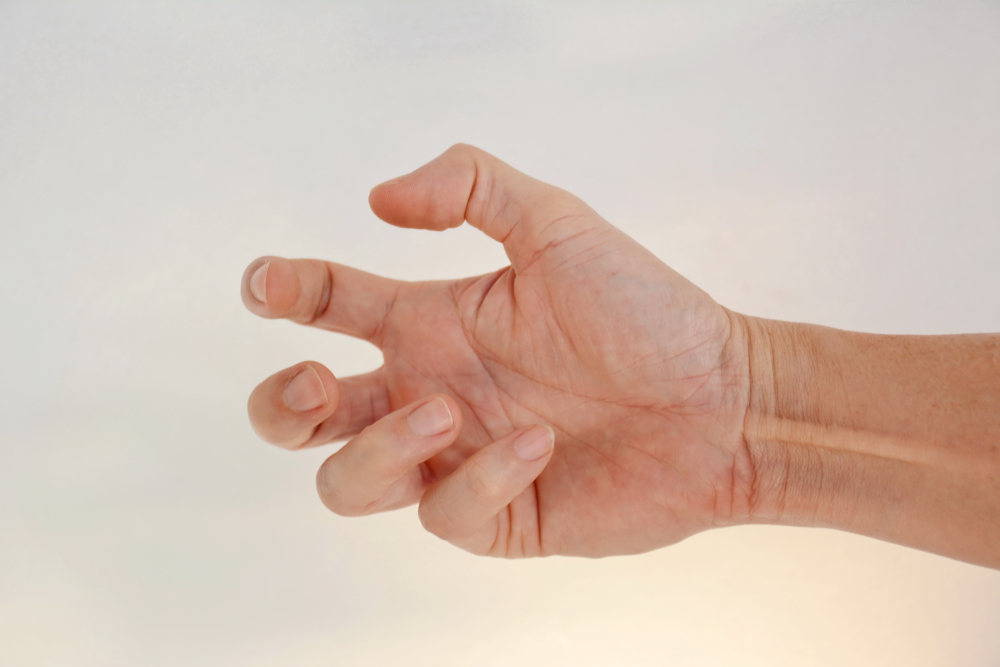
- Writer’s Cramp: Affects the hand and forearm, often triggered by writing or typing.
- Musician’s Dystonia: Occurs in professional musicians; muscles cramp or misfire during instrument use.
- Blepharospasm: Involves uncontrolled blinking or eye closure due to eyelid muscle spasms.
- Oromandibular Dystonia: Affects the jaw, lips, and tongue, making speech and eating difficult.
- Spasmodic Dysphonia: Affects the vocal cords, causing voice breaks or a strained voice.
What Causes Focal Dystonia?
The exact cause isn’t fully understood, but it’s believed to involve abnormal brain signaling, especially in areas that control muscle coordination.
Possible contributing factors include:
- Genetics: Some forms run in families.
- Repetitive strain: Repetitive movements or overuse (e.g., typing, playing instruments) may trigger or worsen symptoms.
- Injury or trauma: Past injury to the affected area or nervous system may play a role.
- Other neurological conditions: Sometimes linked to Parkinson’s disease or other movement disorders.
What Are the Symptoms of Focal Dystonia?
Symptoms vary depending on the body part involved but may include:
- Involuntary muscle spasms
- Abnormal or twisted posture in the affected area
- Tremors or jerky movements
- Cramping during specific tasks (writing, playing, speaking)
- Difficulty controlling movement in that area
Symptoms often start mildly and gradually worsen over time. They may be task-specific at first and then become more constant.
How Is Focal Dystonia Diagnosed?
There’s no single test to confirm focal dystonia. Diagnosis typically involves:
- Medical history and symptom review
- Neurological examination
- Imaging tests (MRI or CT): To rule out structural problems in the brain or spine
- Electromyography (EMG): Measures electrical activity in muscles during contraction
- Task observation: Watching how symptoms appear during specific activities
Referral to a neurologist, especially one who specializes in movement disorders, is often recommended.

How Is Focal Dystonia Treated?
While there is no known cure, treatment focuses on managing symptoms and improving function. Options include:
Medications
- Botulinum toxin (Botox) injections: A common and effective treatment that temporarily weakens overactive muscles.
- Anticholinergics: Help reduce muscle spasms.
- Muscle relaxants or benzodiazepines: Used in some cases for relief.
Physical and Occupational Therapy
- Helps retrain movement patterns
- Involves stretching, strengthening, and adaptive techniques
- May include sensory tricks that help reduce spasms
Surgery
In rare or severe cases, deep brain stimulation (DBS) may be considered to help regulate abnormal brain activity.
Other Therapies
- Sensory re-training or constraint therapy (especially for hand dystonia)
- Voice therapy for vocal cord dystonia
- Biofeedback or relaxation techniques
Can Focal Dystonia Be Prevented?
There’s no guaranteed way to prevent focal dystonia, but reducing repetitive strain and taking breaks during tasks may help. If you start noticing symptoms, early evaluation and therapy can prevent worsening.
Living With Focal Dystonia
Living with focal dystonia can be challenging, especially when it interferes with your profession or daily routine. Many people benefit from a combination of treatments and lifestyle changes. Support groups and therapy can also help manage the emotional impact.
