


What is Cervical Cancer?
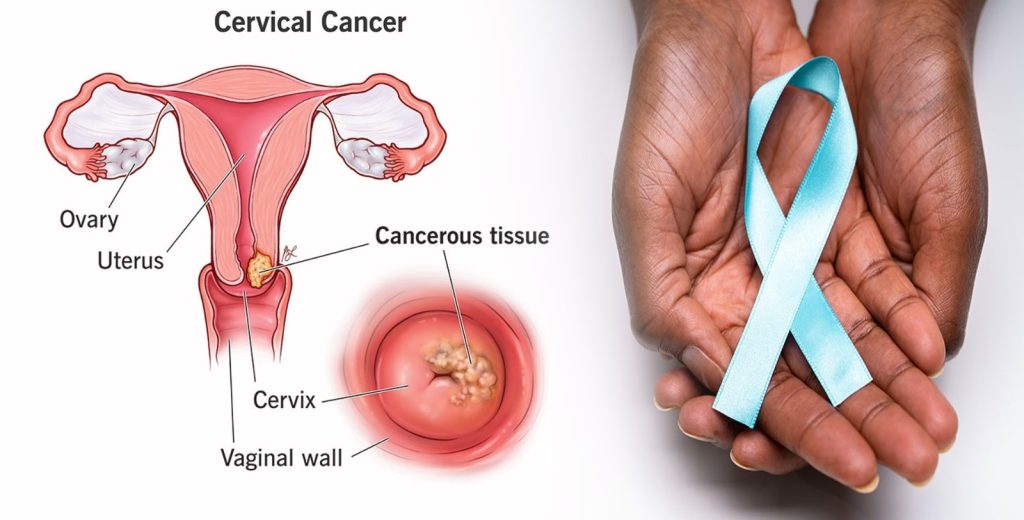
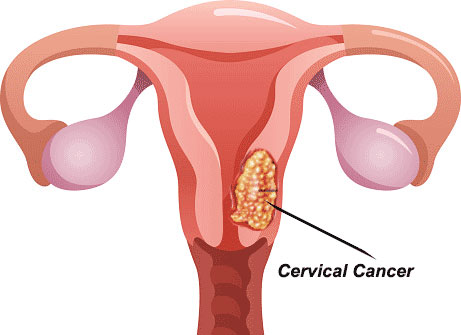
Cervical cancer is a type of cancer that occurs in the cervix, the lower part of the uterus (womb) that connects to the vagina. It typically develops slowly over time, often starting as abnormal cell changes called dysplasia, which, if left untreated, can progress into cancer. The majority of cervical cancers are caused by persistent infection with certain types of the human papillomavirus (HPV), a common sexually transmitted infection.
What Causes Cervical Cancer?
Cervical cancer is primarily caused by persistent infection with high-risk types of HPV. HPV is a very common virus that can be transmitted through sexual contact. While most HPV infections go away on their own, in some cases, the virus can cause changes in the cervical cells, leading to cancer.
Several factors can increase the risk of cervical cancer, including:
- Persistent HPV infection: High-risk types of HPV, such as HPV types 16 and 18, are linked to cervical cancer.
- Smoking: Smoking damages the immune system, making it harder for the body to fight off infections, including HPV.
- Weakened immune system: Conditions such as HIV or medications that suppress the immune system can increase the risk.
- Multiple sexual partners: Having multiple sexual partners or a partner who has had multiple partners can increase the likelihood of contracting HPV.
- Early sexual activity: Early sexual activity before the age of 18 increases the risk of HPV infection.
- Long-term use of oral contraceptives: Extended use of birth control pills has been linked to an increased risk of cervical cancer.
- Lack of regular screening: Not participating in routine cervical cancer screenings (Pap tests or HPV tests) increases the likelihood of developing cervical cancer that could have been detected early.
What Are the Symptoms of Cervical Cancer?
In the early stages, cervical cancer may not cause any symptoms, which is why routine screening is important. However, as the cancer progresses, some common symptoms include:
- Abnormal vaginal bleeding: This may include bleeding between periods, after intercourse, or after menopause.
- Unusual vaginal discharge: The discharge may be watery, bloody, or have a foul odor.
- Pain during intercourse: This can be a sign of advanced cervical cancer.
- Pelvic pain: Pain in the pelvic area, especially during urination or intercourse, can indicate cancer.
- Leg pain or swelling: Advanced stages of cervical cancer can cause swelling in the legs or pain due to metastasis.
How is Cervical Cancer Diagnosed?
Diagnosing cervical cancer typically involves several tests and procedures:
- Pap Smear (Pap Test): This screening test involves collecting cells from the cervix to look for abnormal or precancerous changes. It’s a key method for detecting cervical cancer in its early stages.
- HPV Test: This test checks for the presence of high-risk HPV types that are most likely to cause cervical cancer.
- Colposcopy: If abnormal cells are found, a colposcopy may be performed. This involves examining the cervix with a special microscope and may involve taking a biopsy of suspicious areas.
- Biopsy: A biopsy involves removing a small tissue sample from the cervix to confirm the presence of cancer cells.
- Imaging Tests: Once cervical cancer is diagnosed, imaging tests like CT scans, MRIs, or PET scans may be used to determine if the cancer has spread to other parts of the body.
How is Cervical Cancer Treated?
Treatment for cervical cancer depends on several factors, including the stage of cancer, the patient’s overall health, and personal preferences. Treatment options may include:
- Surgery: In early-stage cervical cancer, surgery may be performed to remove the cancerous tissue. Options include:
- Conization: Removing a cone-shaped piece of tissue from the cervix.
- Hysterectomy: Removing the cervix and uterus. In more advanced cases, lymph nodes may also be removed.
- Radiation Therapy: High-energy rays are used to kill cancer cells or shrink tumors. It can be used alone or in combination with surgery or chemotherapy, especially in later stages.
- Chemotherapy: Chemotherapy uses drugs to kill cancer cells or stop their growth. It is often used for advanced cervical cancer or when surgery is not an option.
- Immunotherapy: For some advanced cervical cancers, immunotherapy drugs may be used to help the body’s immune system fight cancer.
- Targeted Therapy: This treatment targets specific proteins or genes that are involved in the growth of cancer cells.
What Are the Risk Factors for Cervical Cancer?
Risk factors are conditions or behaviors that increase the likelihood of developing cervical cancer. Key risk factors include:
- HPV infection: The most significant risk factor for cervical cancer.
- Smoking: Smoking increases the risk of cervical cancer by damaging the cells in the cervix.
- Weakened immune system: Conditions like HIV or immunosuppressive drugs can increase the risk of developing cervical cancer.
- Long-term use of oral contraceptives: Using birth control pills for five years or more increases the risk of cervical cancer.
- Early sexual activity: Having sexual intercourse at a young age before the cervix is fully developed increases the risk of HPV infection.
- Multiple sexual partners: Having many sexual partners increases the risk of HPV infection.
- Family history: A family history of cervical cancer or other cancers may increase the risk.
What is the Prognosis for Cervical Cancer?
The prognosis for cervical cancer depends on the stage of the cancer when it is diagnosed. When detected early, cervical cancer has a high survival rate. According to the American Cancer Society, the five-year survival rate for localized cervical cancer is about 92%.
However, if the cancer has spread to distant parts of the body, the survival rate decreases significantly. Regular screening through Pap smears and HPV testing is crucial for detecting cervical cancer in its early, more treatable stages.
Can Cervical Cancer Be Prevented?
Cervical cancer is one of the most preventable cancers. There are several ways to reduce the risk:
- HPV Vaccination: Vaccines like the Gardasil vaccine can protect against the most common types of HPV that cause cervical cancer. Vaccination is recommended for both boys and girls at age 11 or 12, but it can be given as early as age 9 and up to age 45.
- Regular Screening: Routine Pap tests (starting at age 21) and HPV tests can detect precancerous changes in the cervix before they turn into cancer.
- Safe Sexual Practices: Using condoms and limiting the number of sexual partners can reduce the risk of HPV infection.
- Smoking Cessation: Quitting smoking reduces the risk of cervical cancer and many other cancers.
Conclusion: What Should You Know About Cervical Cancer?
Cervical cancer is a preventable and treatable disease, especially when caught early. Regular screening with Pap tests and HPV tests, along with vaccination against HPV, are key steps in prevention. By being aware of the symptoms, risk factors, and treatment options for cervical cancer, individuals can take proactive measures to reduce their risk and improve their chances of early detection and successful treatment.