


What Is Infant Botulism?
Infant botulism is a rare but serious illness that occurs when a baby ingests Clostridium botulinum spores, which then grow in the intestines and produce a toxin that affects the nervous system. This condition usually affects babies under 12 months of age and can lead to muscle weakness, breathing problems, and other complications if not treated promptly.
What Causes Infant Botulism?
Infant botulism is caused by Clostridium botulinum, a type of bacteria that produces a neurotoxin. In infants, their immature digestive systems cannot destroy these spores, allowing the bacteria to grow and release toxins.
Common sources of exposure include:
- Honey (a known risk and should never be given to infants under 1 year)
- Soil or dust that may contain spores
- Household dust in some cases
It’s important to note that infant botulism is not contagious and doesn’t spread from baby to baby.
What Are the Symptoms of Infant Botulism?
Symptoms typically appear gradually, over several days, and may include:
- Constipation (often the first sign)
- Poor feeding or sucking
- Weak cry
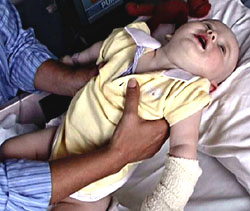
- Floppiness or poor muscle tone (also called “floppy baby syndrome”)
- Droopy eyelids
- Facial weakness
- Lack of facial expression
- Lethargy or drowsiness
- Breathing problems in more severe cases
If untreated, symptoms can worsen and lead to life-threatening respiratory failure.
How Is Infant Botulism Diagnosed?
Diagnosis is based on:
- Clinical symptoms
- Medical history
- Laboratory tests on stool or enema samples to detect the toxin or bacterial spores
Doctors may also rule out other causes of weakness or poor feeding before confirming the diagnosis.
How Is Infant Botulism Treated?
Treatment for infant botulism is highly effective, especially when started early.
1. Botulism Immune Globulin (BIG-IV or BabyBIG)
- A specialized antitoxin made specifically for infants
- Neutralizes the botulinum toxin
- Significantly shortens recovery time
2. Supportive Care
- Babies often need to stay in the hospital
- Feeding support, sometimes through a tube
- Respiratory support, such as oxygen or a ventilator in severe cases
- Close monitoring for any complications
Most infants recover fully with appropriate treatment and care.

How Can Infant Botulism Be Prevented?
Prevention mainly involves avoiding exposure to botulinum spores:
- Never give honey to a baby under 1 year old
- Keep soil, dust, and contaminated surfaces away from infants as much as possible
- Wash hands and sanitize objects that come in contact with the baby
- Be cautious with home-canned foods or improperly stored items in the household
When Should You Seek Medical Help?
You should seek immediate medical attention if your baby:
- Becomes constipated and unusually tired
- Shows signs of muscle weakness or floppy limbs
- Has difficulty feeding or breathing
- Cries weakly or seems unusually quiet and expressionless
Early detection and treatment can greatly reduce the risk of serious complications.
What Is the Outlook for Infants With Botulism?
With prompt treatment, most infants recover completely without long-term effects. Recovery may take weeks to months, depending on the severity, but the outlook is generally good if the condition is recognized early and managed proper
